Solar panel installation Basingstoke
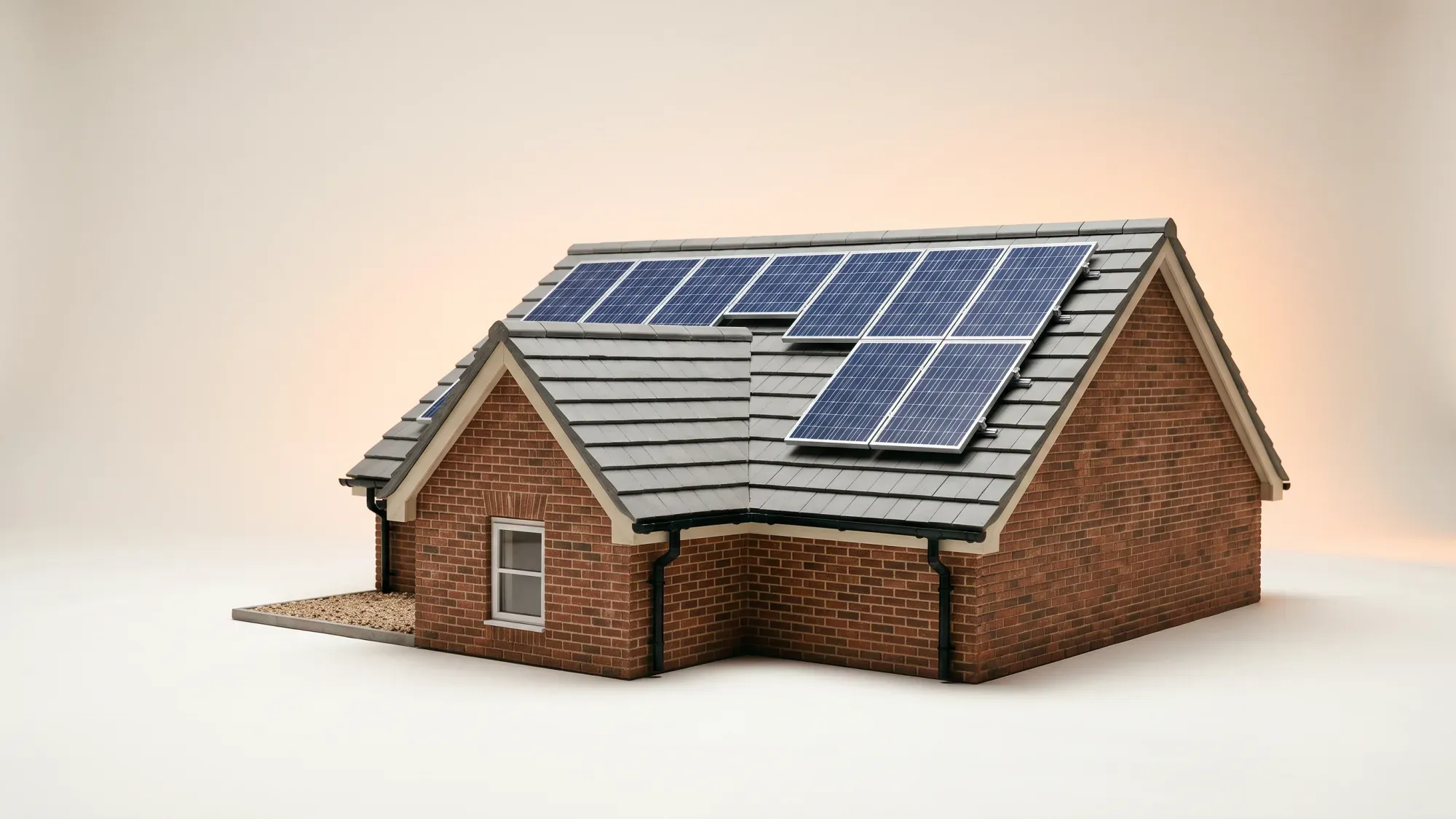
Installing solar panels in Basingstoke offers homeowners significant control over energy costs and supply. Located in Hampshire, Basingstoke benefits from its position in Southern England, a region known for receiving high annual sunlight hours, making it an ideal spot to harness solar energy. With a diverse housing stock, many properties are well-suited for solar photovoltaic (PV) systems, enabling residents to generate their own clean electricity and reduce reliance on the grid. This guide provides clear, localised information to help Basingstoke homeowners confidently navigate the solar installation process.
Why consider solar panel installation in Basingstoke?
Embracing solar energy in Basingstoke is more than just an environmental choice; it is a strategic move towards greater energy independence and financial stability.
Basingstoke's local solar advantage
Basingstoke's geographical position in Southern England offers a distinct advantage for solar panel efficiency. This region consistently records high annual sunlight hours, contributing to favourable payback periods for solar investments. While direct sunlight is beneficial, modern solar panels are also highly effective at generating electricity from diffuse daylight, meaning they perform well even on cloudy days. This consistent output helps Basingstoke homeowners maximise their energy generation throughout the year.
Reducing energy bills and carbon footprint
Generating your own electricity with solar panels can significantly reduce your household's energy bills. By producing a substantial portion of the power you consume, you lessen your dependence on electricity from the National Grid, which is subject to fluctuating prices. This can notably change your average monthly electric bill with solar panels. Beyond the financial savings, installing solar panels also dramatically lowers your home's carbon footprint, contributing to a cleaner, more sustainable future.
Increasing property value
A home equipped with a modern solar panel and battery storage system is often more attractive to potential buyers. Energy efficiency is a growing priority for homeowners, and a pre-installed, high-quality renewable energy system can enhance your property's market value. It signals lower running costs and a commitment to sustainability, making your home stand out.
The solar panel installation process for Basingstoke homeowners
Understanding the steps involved in installing solar panels can demystify the process and help you prepare for your energy transition.
Initial assessment and system design
The first step involves a detailed assessment of your property by a qualified installer. For a tailored quote, Fuse Energy's team requires clear photos of your roof (showing space, orientation, and shading), the intended battery location, and your electricity meter, consumer unit, and main fuse. This allows for an evaluation of your roof's suitability, including its size, orientation, pitch, and any potential shading issues. Your household's energy consumption patterns will also be analysed to design a system that optimally meets your needs, ensuring maximum generation and efficiency.
Planning permission and local regulations
For most domestic solar panel installations in England, planning permission is not required, as they fall under "permitted development" rights. However, there are exceptions, particularly for properties in conservation areas, listed buildings, or if the panels significantly alter the building's appearance or extend beyond the roofline. Fuse Energy handles planning approvals and paperwork as part of its home solar installation service.
Grid connection with SSEN (G98/G99)
Connecting your new solar panel and battery system to the National Grid is a crucial step. In Basingstoke, the local Distribution Network Operator (DNO) is Scottish and Southern Electricity Networks (SSEN). All new solar or battery grid connections are notified to SSEN under the G98 or G99 process, depending on the system's size. G98 applies to smaller systems (up to 3.68kW for single-phase) and involves connecting and notifying the DNO, while G99 is for larger systems and requires prior approval. Typically, your installer will manage this application on your behalf, ensuring compliance with all technical and regulatory requirements. This process is essential for safely integrating your system and enabling you to export surplus energy.
Installation and commissioning
Once all approvals are in place, the physical installation of your solar panels and battery storage system can begin. This typically involves mounting the panels on your roof, installing the inverter, and integrating the battery storage unit. After installation, the system will be commissioned, tested, and certified to ensure it operates safely and efficiently. Fuse Energy, as an MCS and TrustMark certified installer, provides all necessary documentation, including your Microgeneration Certification Scheme (MCS) certificate.
Costs, savings, and incentives for Basingstoke solar
Investing in solar panels and battery storage involves an upfront cost, but various incentives and long-term savings make it a financially sound decision.
Typical solar panel installation costs
The cost of installing solar panels in the UK varies based on system size, panel type, and installation complexity. A standard 4kW solar PV system typically costs between £5,500 and £8,000 in 2026^[1,2]. For a combined solar panel and battery storage system, the average price can range from £8,000 to £14,000+, depending on the battery capacity and specific components. These figures are indicative, and actual costs will be determined by your property's specific requirements and the chosen installer.
0% VAT on solar and battery storage
A significant financial incentive for homeowners is the 0% VAT rate on solar panel and battery storage installations3. This applies across Great Britain from 1 April 2022 until at least 31 March 2027. This reduction from previous VAT rates (which were 5% or 20% depending on circumstances) can lead to substantial savings, potentially over a thousand pounds on a typical system.
The Smart Export Guarantee (SEG)
The Smart Export Guarantee (SEG) is a UK-wide government-backed scheme that allows homeowners to earn money for any surplus electricity their solar panels generate and export back to the National Grid4. Under SEG, licensed energy suppliers must offer a tariff for exported electricity. To qualify for SEG payments, your solar panel installation must be MCS-certified, have a capacity of 5 megawatts (MW) or less, and you must have a smart meter capable of half-hourly export readings.
Understanding Ofgem's price cap in Southern England
Basingstoke falls within the 'Southern England' electricity distribution region for Ofgem's energy price cap. This regionalisation means that the unit rates and daily standing charges for electricity can differ from other parts of the UK. Ofgem updates the price cap quarterly, on 1 January, 1 April, 1 July, and 1 October. Understanding these local rates is important when calculating the potential savings and payback period of your solar investment.
Choosing a reputable solar panel installer in Basingstoke
Selecting the right installer is paramount to a successful and reliable solar panel installation.
The importance of MCS certification
When choosing a solar panel installer in Basingstoke, prioritising MCS certified companies is essential. MCS certification is a mark of quality and competence, ensuring that your installation meets rigorous industry standards for safety and performance. Crucially, MCS certification is a mandatory requirement for your system to be eligible for SEG payments. Without it, you will not be able to earn money for your exported electricity.
What is MCS certification?
MCS certification is a government-backed quality assurance scheme that certifies renewable energy products and installers in the UK. It ensures that solar panel installations meet rigorous standards for safety, quality, and performance, and is necessary for homeowners to access financial incentives like the SEG.
Questions to ask potential installers
Before committing to an installer, ask detailed questions to ensure they meet your needs and expectations:
- Are they MCS certified?
- Can they provide references or examples of previous installations in Basingstoke or the surrounding area?
- Will they handle the G98/G99 grid connection application with SSEN on your behalf?
- What warranties do they offer on the panels, inverter, battery, and installation work?
- Can they provide a detailed breakdown of costs, including all equipment, labour, and any potential scaffolding charges?
Local reviews and testimonials
Checking local reviews and testimonials can provide valuable insights into an installer's reputation and customer service. Look for feedback from other Basingstoke homeowners to gauge their experiences with specific companies. Online platforms and local community forums can be good resources for this.
Maximising your energy independence with battery storage
While solar panels generate electricity, integrating battery storage transforms your home into a more self-sufficient energy hub.
How battery storage works with solar panels
Battery storage systems work in tandem with your solar panels to capture and store any excess electricity generated during the day that is not immediately used by your home. Instead of exporting this surplus energy directly to the grid for SEG payments, it is stored in the battery for later use. This stored energy can then be drawn upon during the evenings, at night, or on cloudy days when your solar panels are producing less, or when electricity prices from the grid are higher.
Benefits of integrated solar and battery systems
Integrating battery storage with your solar panels offers several key benefits. It significantly increases your self-consumption of the clean energy you generate, reducing your reliance on grid electricity. This can lead to greater long-term savings on your energy bills. Furthermore, battery storage provides a degree of energy resilience, offering a backup power source during grid outages.
Reducing reliance on the grid
For Basingstoke homeowners, a combined solar and battery system is a strategic "power play" to reduce dependence on the National Grid. By storing your own generated power, you gain more control over your energy supply and usage. This not only enhances your energy independence but also allows you to make the most of your solar investment, aligning with Fuse's vision of a future with power to play with.
Your next steps for solar in Basingstoke
Taking the leap into solar energy is an empowering decision for your Basingstoke home.
Getting tailored quotes
The best way to begin is by obtaining multiple quotes from MCS-certified solar panel installers operating in the Basingstoke area. Fuse Energy can provide a tailored quote for your home solar installation. Ensure these quotes include system designs tailored to your property and energy needs, and clearly outline all costs, including the installation of battery storage.
Making an informed decision
Review the quotes carefully, considering not just the upfront cost but also the proposed system's efficiency, warranties, and the installer's experience and reputation. An informed decision will set you on the path to greater energy independence, reduced bills, and a more sustainable home.
References
- The Eco Experts. How much do solar panels cost in the UK? A 2026 guide.
- Renewable Energy Hub. How much do Solar Panel Systems Cost? UK Prices 2026.
- HM Revenue & Customs. Energy-saving materials and heating equipment (VAT Notice 708/6).
- Switch Together. What Is the Smart Export Guarantee (SEG) and How Does It Work?.
Disclaimer
For the avoidance of doubt, this article is provided for informational purposes only and is not intended to constitute legal or financial advice. The author and/or Fuse Energy shall not be responsible for any losses arising out of any reliance on the information contained herein.