Renewable energy for UK homes explained
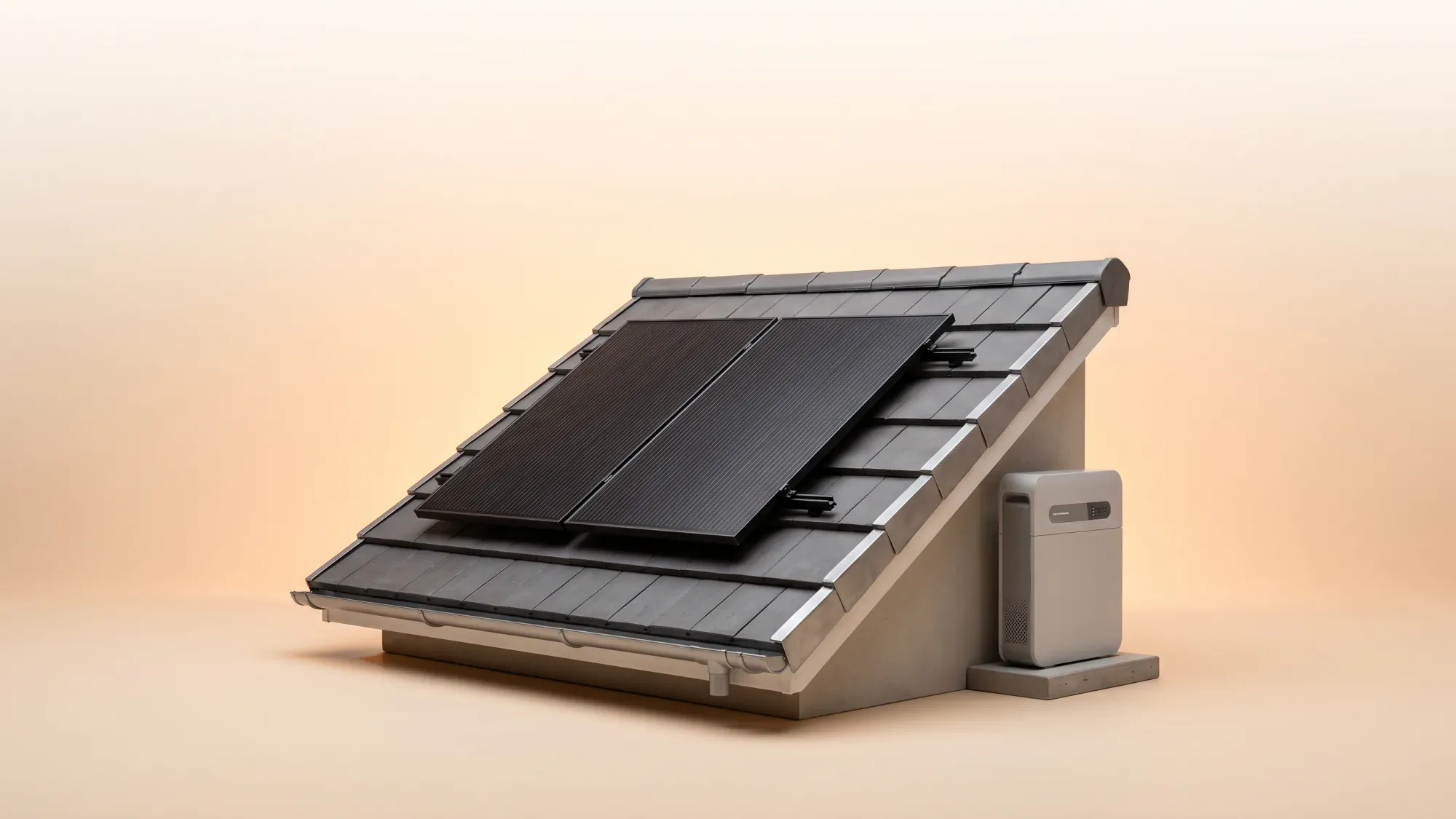
Renewable energy sources are changing how UK homeowners power their properties. These clean technologies offer a path to greater control and reduced costs. By harnessing natural, replenishing resources like sunlight and wind, they provide a sustainable alternative to traditional fossil fuels. Integrating renewable solutions can significantly lower your carbon footprint, increase energy independence, and future-proof your home against fluctuating energy prices.
Embracing renewable energy can give you more control over your home's power. Fuse Energy helps you manage your energy smartly, making the most of your renewable sources. Click here to switch to Fuse Energy today.
Enter your address to get a quote and see how much you could save
What is renewable energy?
Renewable energy comes from natural sources that constantly replenish themselves, unlike finite fossil fuels such as gas and coal. These sources include sunlight, wind, and heat from the earth, offering a sustainable way to generate electricity and heat with minimal greenhouse gas emissions.
Defining clean power
Clean power refers to electricity generated from renewable sources that produce little to no carbon emissions during operation. This contrasts sharply with traditional energy generation, which burns fossil fuels, releasing pollutants and contributing to climate change. Embracing clean power is crucial for the UK to meet its net-zero carbon emissions target by 2050.
The difference between renewable and non-renewable sources
The fundamental difference lies in their origin and availability. Non-renewable sources, like coal, oil, and natural gas, are extracted from the earth and take millions of years to form, meaning they will eventually run out. Their combustion also releases harmful greenhouse gases. Renewable sources, conversely, are naturally replenished on a human timescale, ensuring a continuous supply of energy without depleting natural resources or significantly contributing to atmospheric pollution.
Why choose renewable energy for your UK home?
Switching to renewable energy offers many benefits for UK homeowners, extending beyond environmental responsibility to tangible financial and practical advantages.
Environmental benefits and carbon footprint reduction
Renewable energy sources produce significantly fewer greenhouse gas emissions compared to fossil fuels, directly helping to combat climate change. By adopting renewables, you actively contribute to a cleaner environment and support the UK's legally binding goal of achieving net-zero emissions by 2050. This shift also improves air quality by reducing pollutants released during energy generation.
Financial savings and energy independence
Generating your own electricity or heat can lead to substantial long-term financial savings by reducing reliance on grid energy. Solar panels, for instance, allow you to use the power you generate directly, cutting down on the amount you need to buy from your supplier. This self-consumption helps insulate your household from volatile energy prices, making your energy costs more predictable. The average UK home uses around 2,500 kWh of electricity per year, so reducing this grid dependency can lead to meaningful savings.
How much electricity does the average UK home use?
The average UK home consumes approximately 2,500 kWh of electricity per year. This figure, set by Ofgem as the medium typical domestic consumption value, is a useful benchmark for understanding household energy use and assessing potential savings from renewable energy installations.
Long-term value and future-proofing your home
Investing in renewable energy systems can increase your property's value, as energy efficiency becomes an increasingly important factor for buyers. Homes equipped with technologies like solar panels or heat pumps are more desirable and valuable assets. Furthermore, installing renewable heating systems helps future-proof your home against evolving energy standards and potential future regulations, improving its energy profile and reducing the need for major heating upgrades later on.
Key renewable energy sources for UK homeowners
Several renewable energy technologies are practical and accessible for UK homes, each with distinct advantages.
Solar power: rooftop and plug-in solutions
Solar photovoltaic (PV) panels convert sunlight into electricity, making them a popular choice for many UK homes. They are typically mounted on roofs, with south-facing roofs being ideal for maximum efficiency, though east/west-facing roofs can also generate useful amounts. Solar panels can significantly reduce electricity bills and even allow you to earn money for surplus energy exported to the grid via schemes like the Smart Export Guarantee (SEG).
A more recent development is plug-in solar, which offers a simpler, self-installed option. These small solar panel and microinverter systems plug into a standard wall socket, requiring no electrician or permanent installation. This makes them portable and suitable for renters or those without suitable roof space, such as flats with balconies.
SI 2026/848 has applied to compliant plug-in solar since 27 August 2026, legalising these systems in the UK. The regulation permits an 800W AC export limit per device, though the panels themselves can have a DC input of up to 2,000W. Homeowners or their suppliers must notify their Distribution Network Operator (DNO) under G98 within 28 days of installation. It's important to note that this legislation covers standalone plug-in solar only; plug-in batteries or hybrid solar-battery kits are not included.
Wind energy: small-scale turbines
While large wind farms are a major source of renewable electricity in the UK, small-scale wind turbines can be viable for some rural properties with consistent wind speeds. These turbines convert wind's kinetic energy into electricity. A small 6 kW domestic turbine in a good location can produce roughly 9,000 kWh per year, which is more than three times the average home's annual electricity use. UK onshore wind averages around 27% capacity factor, while offshore wind averages around 41%.
Heat pumps: air source and ground source
Heat pumps are an efficient, low-carbon alternative to traditional boilers for heating and hot water. Instead of burning fuel, they extract ambient heat from the air or ground and transfer it into your home. For every unit of electricity they consume, air source heat pumps can achieve efficiencies of 300% or more, producing around 3 kWh or more of heat for every 1 kWh of electricity used. This makes them highly efficient. You can learn more about air source heat pump efficiency in our detailed guide.
There are two main types:
- Air source heat pumps (ASHPs): These extract heat from outdoor air, even in cold weather, and are suitable for most UK homes. They are typically installed as an outdoor unit.
- Ground source heat pumps (GSHPs): These draw heat from pipes buried in the ground. While generally more efficient due to stable ground temperatures, they require more land and a higher upfront investment for installation.
Other emerging technologies
Beyond solar, wind, and heat pumps, other renewable options exist, though they may be less common for typical UK homes. These include biomass boilers, which use organic material for heat and electricity, and micro-hydro systems, which harness energy from flowing water. These are often better suited to rural or larger properties with specific environmental conditions.
Practical steps to adopt home renewable energy
Adopting renewable energy for your home involves several practical considerations, from assessing your property to understanding regulations and managing your new system.
Assessing your home's potential
Before committing to an installation, evaluate your home's suitability for different renewable technologies. For solar, consider your roof's orientation (south-facing is ideal) and any shading. For heat pumps, good insulation is key to maximising efficiency. An energy audit can help identify areas for improvement and determine the best solutions for your property.
Understanding installation and grid connection
Most renewable energy installations, such as rooftop solar, require professional installation by certified installers. Once installed, systems that generate electricity (like solar or wind) need to be connected to the National Grid. This process typically involves notifying your DNO. For plug-in solar, this notification is required within 28 days of installation.
Navigating UK regulations and support
The UK government supports renewable energy adoption through various policies and potential grants. Ofgem regulates the energy market, ensuring fair practices for renewable energy tariffs and suppliers in Great Britain. While specific domestic grants for owner-occupiers of houses with off-street parking for EV chargers have been discontinued, other schemes like the Boiler Upgrade Scheme (BUS) can provide grants for low-carbon heating systems. Always check eligibility criteria for any grants. For example, the installer applies for the BUS grant on the homeowner's behalf, and the grant value is deducted from the installation quote.
Homeowners can install an isolator switch for £170 (including VAT), or for free as part of a smart meter upgrade if they have a manual meter.
Managing your energy with smart technology
Smart energy management is crucial for maximising the benefits of home renewable energy. Smart meters provide detailed insights into your energy consumption, helping you understand when and how you use electricity. Tools like the Fuse app can further help you manage your energy usage and tariffs, making the transition to renewable energy seamless and transparent. This allows you to optimise your self-consumption, potentially using generated power during peak times or charging a battery (if installed) during off-peak hours. You can also explore how to manage your air source heat pump running cost effectively with smart tools.
The future of abundant home power
The shift to renewable energy is not just about reducing consumption; it's about embracing a future where energy is abundant, clean, and empowers homeowners with unprecedented control.
Challenging the scarcity mindset
For decades, the energy narrative has focused on scarcity and the need to "use less." Renewable energy fundamentally challenges this by providing naturally replenishing sources that offer a plentiful supply. This shift moves beyond rationing and fear of bills, enabling a future where energy is abundant and a constant worry no longer.
Empowering homeowners with control
Adopting home renewable energy solutions empowers you with greater energy independence and financial savings. By generating your own power and managing it smartly, you gain control over your household's energy supply, insulating yourself from market volatility and external shocks. This control extends to understanding your usage patterns and optimising them for maximum benefit.
Fuse Energy's role in a renewable future
Fuse Energy envisions a future with abundant, clean power, shifting from a scarcity mindset to one of plentiful energy. We believe in empowering homeowners with more control and freedom over their energy. Our 24/7 human customer support ensures you have assistance throughout your journey to integrate and manage renewable energy. The Fuse app helps you manage your energy usage and tariffs, making your transition to renewable energy seamless and transparent.
Ready to take control of your home's energy and embrace a renewable future? Fuse Energy offers clear pricing, real-time usage data, and 24/7 human customer support to help you make the most of your energy. Switching is quick and easy. Click here to switch to Fuse Energy today and discover a smarter way to power your home. You can also learn more about our mission to build a future with abundant energy here.
Disclaimer
For the avoidance of doubt, this article is provided for informational purposes only and is not intended to constitute legal or financial advice. The author and/or Fuse Energy shall not be responsible for any losses arising out of any reliance on the information contained herein.