Oil boiler efficiency and alternatives
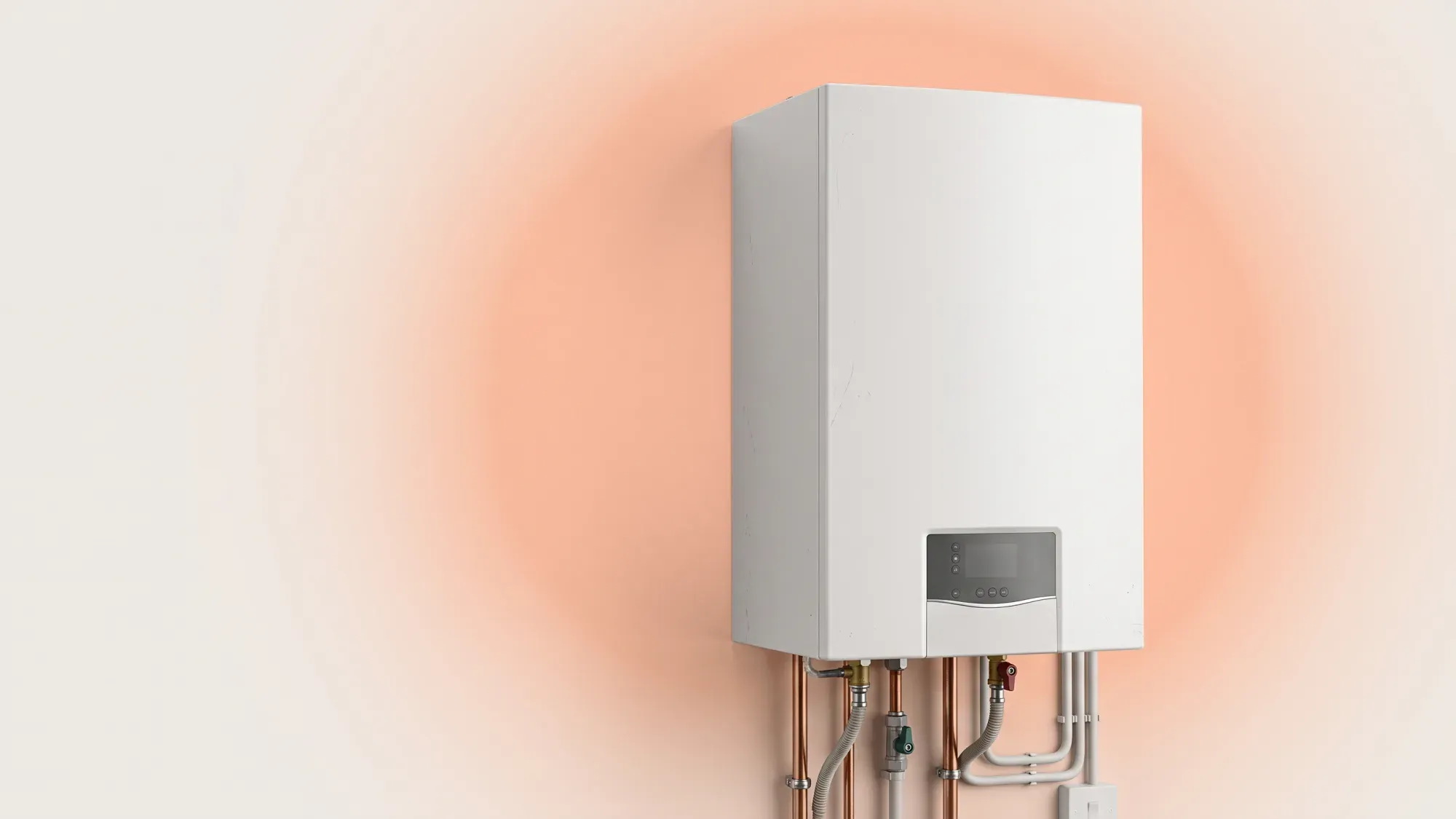
For many homes in off-grid rural areas, an oil boiler is a familiar sight, providing warmth and hot water where mains gas is unavailable. However, concerns about fluctuating fuel costs, environmental impact, and the efficiency of older systems are prompting homeowners to look at their heating options. This guide explores how oil boilers work, how to maximise their efficiency, and the modern, sustainable alternatives available, empowering you to make informed decisions about your home's energy future.
Understanding your oil boiler and central heating system
Oil central heating systems are a common solution for properties not connected to the national gas grid, particularly in rural parts of the UK. Around 5% of homes in Great Britain1 rely on oil central heating, with a significant number of these being in off-grid areas.
What is oil central heating?
Oil central heating uses an oil-fired boiler to heat water, which then circulates through radiators for space heating and supplies hot water to taps and showers. It is a "wet" system, much like a gas central heating system, but instead of drawing fuel from a mains supply, it uses heating oil (typically kerosene) stored in a tank on your property.
How an oil boiler works
The process begins with heating oil being delivered and stored in an external tank. When your thermostat signals a need for heat, the oil is pumped from the tank into the boiler's combustion chamber. Here, it is ignited, and the resulting flame heats a heat exchanger. Water circulating through this heat exchanger absorbs the heat, becomes hot, and is then distributed throughout your home via pipes to radiators or underfloor heating. Once the water cools, it returns to the boiler to be reheated, creating a continuous cycle.
Common types of oil boilers
Similar to gas boilers, there are three main types of oil boilers available:
- Oil combi boilers: These provide both heating and hot water directly from a single, often floor-standing, unit. They are popular in smaller to medium-sized homes where space is at a premium, as they eliminate the need for a separate hot water cylinder.
- Oil system boilers: These work with a hot water cylinder, but unlike heat-only boilers, they have an integral expansion vessel and circulating pump, making them suitable for sealed heating systems.
- Oil regular boilers: Also known as conventional or heat-only boilers, these are common in older properties and work with both a hot water cylinder and separate cold water and feed and expansion tanks, typically located in the loft.
The pros and cons of oil-fired central heating
Understanding the advantages and disadvantages of oil-fired central heating is crucial for homeowners considering their options.
Advantages of oil boilers
For many off-grid homes, oil boilers offer several benefits:
- Availability: Oil can be delivered to virtually any location, making it a viable option where mains gas is not accessible.
- Efficiency: Modern condensing oil boilers can achieve efficiencies of over 90%, converting almost all the fuel's energy into heat. This is a significant improvement over older models.
- Fuel storage: The ability to store fuel on your property means you can buy in larger quantities when prices are lower, potentially saving money.
- Reliability: Oil boilers are known for their robust performance and can provide consistent heat, especially in larger homes.
Disadvantages and challenges of oil heating
Despite their advantages, oil boilers present several challenges:
- Price volatility: The cost of heating oil is subject to global market fluctuations, making budgeting unpredictable and potentially leading to higher running costs.
- Environmental impact: Oil is a fossil fuel, and burning it produces carbon dioxide, contributing to environmental concerns.
- Storage requirements: Heating oil requires a storage tank, which takes up space on your property and needs regular monitoring to ensure you do not run out.
- Delivery dependency: You are reliant on deliveries, which can be affected by weather conditions or supplier availability.
- Future regulations: The UK government has proposed phasing out the installation of new fossil fuel heating systems in off-gas-grid homes. While the original 2026 deadline for existing homes has been delayed, the long-term direction is towards low-carbon alternatives.
Maximising oil boiler efficiency and lifespan
Even if you plan to transition away from oil heating in the future, ensuring your current system runs as efficiently as possible can save money and extend its life.
Regular maintenance and servicing
An annual service by an OFTEC-registered engineer is crucial for keeping your oil boiler running safely and efficiently. Regular maintenance helps prevent breakdowns, extends the boiler's lifespan, and ensures it operates at its optimal efficiency, which can reduce fuel consumption.
Why is annual oil boiler servicing important?
An annual service ensures your oil boiler operates safely and efficiently, preventing breakdowns and extending its lifespan. An OFTEC-registered engineer will check for leaks, damage, and wear, ensuring compliance with building regulations and approved industry standards, which can help reduce your heating oil consumption.
Beyond professional servicing, homeowners can take simple steps like checking oil levels regularly to avoid running out, monitoring system water pressure, and bleeding radiators annually to remove trapped air.
Understanding oil boiler efficiency ratings
Older, non-condensing oil boilers typically operate at efficiencies between 60% and 70%, meaning a significant portion of the fuel's energy is wasted through flue gases. In contrast, modern condensing oil boilers achieve efficiencies of over 90% by recovering heat from these exhaust gases, leading to lower running costs and reduced emissions. Upgrading an old, inefficient boiler to a modern condensing model can lead to substantial savings on heating bills.
Tips for reducing heating oil consumption
Several practical measures can help reduce your heating oil usage:
- Improve insulation: Enhancing your home's insulation, including lofts and walls, and sealing draughts around windows and doors, prevents heat loss and reduces the workload on your boiler.
- Optimise thermostat settings: Lowering your thermostat by just 1°C can cut heating costs by around 10%. Using a programmable or smart thermostat allows you to set heating schedules and avoid heating an empty home.
- Strategic heating: Heat only the rooms you are using and turn off radiators in unoccupied areas. Leaving the oven door open after cooking can also provide some residual heat to your kitchen.
- Order early and in bulk: Buying heating oil in advance of colder months and ordering larger quantities can often secure a better price per litre and avoid emergency delivery fees.
Exploring alternatives to oil heating for off-grid homes
With the push towards decarbonisation and the unpredictability of oil prices, many off-grid homeowners are exploring low-carbon heating alternatives.
Heat pumps (air source and ground source)
Heat pumps are a leading low-carbon alternative, extracting heat from the air (air source) or the ground (ground source) to warm your home and provide hot water. They are highly efficient, especially when paired with good insulation and suitable heat emitters like underfloor heating or larger radiators. While the initial installation cost can be higher than a traditional boiler, government grants like the Boiler Upgrade Scheme (BUS) can help offset this.
Solar thermal and Solar PV with battery storage
- Solar thermal: These systems use panels, typically on a south-facing roof, to absorb heat from the sun and warm water for your home. While not usually a standalone heating solution in the UK, solar thermal can significantly pre-heat water, reducing the demand on your main heating system and lowering fuel costs.
- Solar PV with battery storage: Solar photovoltaic (PV) panels generate electricity from sunlight. When combined with battery storage, this electricity can power your home, including electric heating systems, and reduce reliance on grid electricity. This offers greater energy independence and protection against fluctuating energy prices. The average UK home uses around 2,700 kWh of electricity per year.
Other renewable heating options
- Biomass boilers: These burn organic matter like wood pellets, logs, or chips to produce heat. Biomass can be a suitable alternative for larger properties, particularly in rural areas not connected to the gas grid, and can be carbon neutral depending on the fuel source. They require space for fuel storage and regular feeding, though automated systems are available.
- Electric heating: Modern electric heating systems can be an option for well-insulated homes, offering simple installation and room-by-room control. However, running costs can be higher than other alternatives if not managed efficiently.
Planning your transition away from oil heating
Moving away from oil heating is a strategic decision that requires careful planning, but it can lead to greater control over your energy costs and a more sustainable home.
Assessing suitability for alternative systems
The best alternative for your home depends on several factors, including your property's insulation levels, available space, existing heating system, and budget. A professional energy assessment can help determine the most suitable low-carbon heating solution for your specific circumstances. For instance, heat pumps work most efficiently in well-insulated homes that can maintain lower flow temperatures.
Understanding costs and potential savings
While the upfront cost of installing a new low-carbon heating system can be higher than replacing an oil boiler, the long-term savings on running costs and reduced exposure to volatile fuel prices can be substantial. Modern, efficient systems, combined with improved home insulation, lead to lower energy bills and a more predictable heating budget.
Government support and grants for low-carbon heating
The UK government is actively encouraging the transition to low-carbon heating. Homeowners in England and Wales may be eligible for grants through schemes like the BUS, which provides financial contributions towards the installation of heat pumps and biomass boilers. Eligibility typically requires replacing an existing fossil fuel system and having a valid Energy Performance Certificate (EPC).
Making informed decisions about your home's heating can lead to significant savings and a more sustainable future. Fuse Energy provides clear pricing, real-time usage data, and 24/7 human customer support to help you manage your energy effectively. We are dedicated to making the transition to cleaner, more efficient energy simple and accessible for every home.
References
Disclaimer
For the avoidance of doubt, this article is provided for informational purposes only and is not intended to constitute legal or financial advice. The author and/or Fuse Energy shall not be responsible for any losses arising out of any reliance on the information contained herein.