Gas boiler types, efficiency, and installation explained
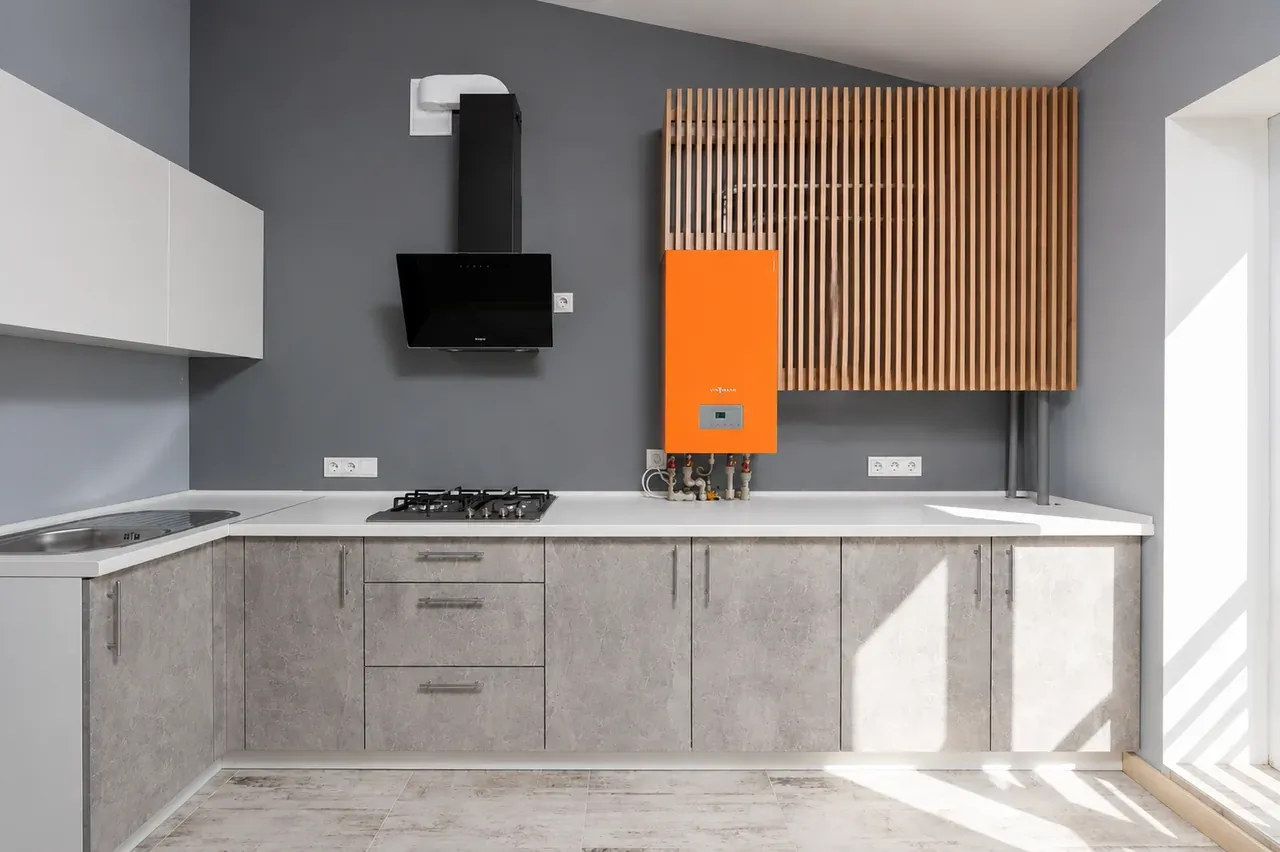
Choosing, maintaining, and understanding your gas boiler is crucial for a warm home and manageable bills. This guide helps UK homeowners navigate boiler types, efficiency ratings, installation, and safety, with insights into optimising your gas usage and preparing for the future of home heating.
Understanding your gas boiler's performance and how it impacts your energy consumption is key to managing your bills. Fuse Energy provides clear, itemised gas bills that break down your usage and standing charges, helping you see how your boiler affects your monthly outgoings. If you're looking for transparent energy management, consider switching to Fuse Energy. Click here to learn more.
Understanding gas boiler types and how they work
Your gas boiler is the heart of your home's heating system, providing warmth and hot water on demand. But with several types available, choosing the right one can feel daunting.
Combi, system, and conventional boilers explained
In the UK, you'll primarily encounter three main types of gas boilers:
- Combi boilers: Short for 'combination' boiler, these are often the most popular choice for smaller to medium-sized homes. They heat water directly from the mains when you turn on a tap, meaning you don't need a hot water cylinder or cold water tank. This saves space and provides instant hot water.
- System boilers: These boilers heat water for your central heating and store hot water in a cylinder, but don't require a cold water tank in the loft. They're ideal for homes with multiple bathrooms where hot water is needed simultaneously, as they can supply a larger volume than a combi.
- Conventional (regular) boilers: Also known as 'open vent' boilers, these are typically found in older, larger homes. They require both a hot water cylinder and a cold water storage tank, usually in the loft. They're a good option if you're replacing an existing conventional system and want to keep your current pipework.
Choosing the right boiler for your home
Selecting a new boiler involves considering your home's size, hot water demand, and existing heating system. A smaller flat might benefit from a compact combi boiler, while a larger family home could need the capacity of a system or conventional boiler. Think about how many bathrooms you have and how often you need hot water. An experienced heating engineer can help assess your needs and recommend the best boiler installation for your property.
Boosting your gas boiler's efficiency and saving money
An efficient gas boiler isn't just good for the environment; it's great for your wallet. Understanding how your boiler performs can lead to significant savings on your gas bill.
What boiler efficiency ratings mean for your gas bill
Boiler efficiency is typically measured by its ErP (Energy-related Products) rating, which uses a letter scale from A (most efficient) to G (least efficient). An A-rated boiler converts over 90% of the fuel it uses into heat, meaning less wasted energy. All new boilers installed in the UK since 2018 must be at least ErP A-rated for heating. Older boilers, especially those over 10-15 years old, might be as low as 60-70% efficient, costing you more in gas usage. Upgrading to a new boiler with a high ErP rating can dramatically reduce your running costs.
How your boiler's efficiency impacts your gas bill with Fuse Energy
At Fuse Energy, we believe in transparent billing and helping you understand your energy consumption. Your gas boiler's efficiency directly translates into the amount of gas (in kWh) you use, which then determines your Fuse Energy gas bill. A less efficient boiler will consume more kWh to produce the same amount of heat, leading to higher charges. We provide clear, itemised gas bills that break down your usage and standing charges, allowing you to see how your boiler's performance affects your monthly outgoings.
Smart meter insights for optimising your boiler's gas usage
For Fuse Energy customers with smart meters, we offer valuable insights into your gas usage patterns. This data can help you identify peak consumption times related to your heating, allowing you to make informed decisions. By monitoring your boiler's gas usage in real-time, you can adjust settings like thermostat programming and flow temperatures to reduce consumption and potentially save on your Fuse bill. Small changes, guided by smart meter data, can make a big difference to your overall home energy management.
Gas boiler installation, servicing, and safety
Proper installation and regular maintenance are key to ensuring your gas boiler operates safely and efficiently for years to come.
Finding a gas safe registered engineer for boiler installation
When it comes to boiler installation or any work on your gas boiler, safety is paramount. Always use a Gas Safe registered engineer. The Gas Safe Register is the official list of engineers legally qualified to work on gas appliances in the UK.1 By law, all gas businesses must be on the Gas Safe Register. Checking their registration ensures they have the necessary skills and qualifications to carry out the work safely and correctly. You can easily find a local engineer through the Gas Safe Register website's "Find and Check" tool.
The importance of regular boiler service and boiler cover
An annual boiler service is not just a recommendation; it's essential. It helps keep your boiler running efficiently, identifies potential issues before they become costly breakdowns, and often validates your boiler's warranty. Many homeowners also opt for boiler cover, similar to British Gas HomeCare or other homecare services, which can provide peace of mind for boiler repair and emergency call-outs. This can be invaluable if you face a sudden boiler repair.
Essential gas boiler safety: carbon monoxide and gas leaks
Gas boilers are safe when properly installed and maintained. However, it's crucial to be aware of potential hazards. Carbon monoxide is a silent killer - it's odourless, colourless, and tasteless. Install an audible carbon monoxide alarm in your home and check it regularly. Be vigilant for signs of a gas leak, such as a strong sulphurous smell (like rotten eggs), a hissing sound near your boiler or gas meter, or a yellow/orange flame instead of a crisp blue one. If you suspect a leak, turn off your gas supply if safe to do so, open windows, and contact the National Gas Emergency Service2 immediately on 0800 111 999.
The future of home heating in the UK
The UK's energy landscape is evolving, with a long-term goal to decarbonise home heating. While gas boilers remain the dominant heating method for now, it's wise for homeowners to consider the future.
Navigating long-term costs and policy changes from an energy supplier's view
From an energy supplier's perspective, understanding the long-term costs of home heating goes beyond just today's gas prices. Government policies are increasingly focused on transitioning away from fossil fuels. For instance, gas boilers are banned from new build homes as part of the government's commitment to reducing carbon emissions by Net Zero 2050, with low-carbon heating becoming the new standard. While a new gas boiler is a significant investment3, it's important to be aware of discussions around potential future policy changes, such as phase-out dates or incentives for low-carbon alternatives like heat pumps. The Boiler Upgrade Scheme (BUS) already provides grants for heat pumps and biomass boilers in England and Wales4. At Fuse Energy, we're committed to helping you manage your energy costs today and providing insights into how these broader shifts might impact your home's heating strategy and overall energy bill in the years to come.
Managing your energy bills should be clear and easy to understand. Fuse Energy focuses on straightforward pricing, so you can see exactly what you're paying without unnecessary complexity. If you have a smart meter, you can view detailed usage data through the app or website, helping you understand how you can lower your bills. If you don't have a smart meter, Fuse Energy can upgrade your non-smart meter, completely for free. This can make it easier to track spending and make informed decisions about your energy use. Our 24/7 human support team is always on hand with fast response times of under 5 minutes whenever you need help. Click here to switch to Fuse Energy in as little as 3 minutes. Find out about our mission by clicking here.
References
- Gas Safe Register. The official list of gas engineers.
- National Gas. Emergency Contacts.
- UK Government. The Future Homes and Buildings Standards: 2023 consultation.
- Ofgem. Boiler Upgrade Scheme (BUS).
Disclaimer
For the avoidance of doubt, this article is provided for informational purposes only and is not intended to constitute legal or financial advice. The author and/or Fuse Energy shall not be responsible for any losses arising out of any reliance on the information contained herein.