Combi boiler: efficient home heating
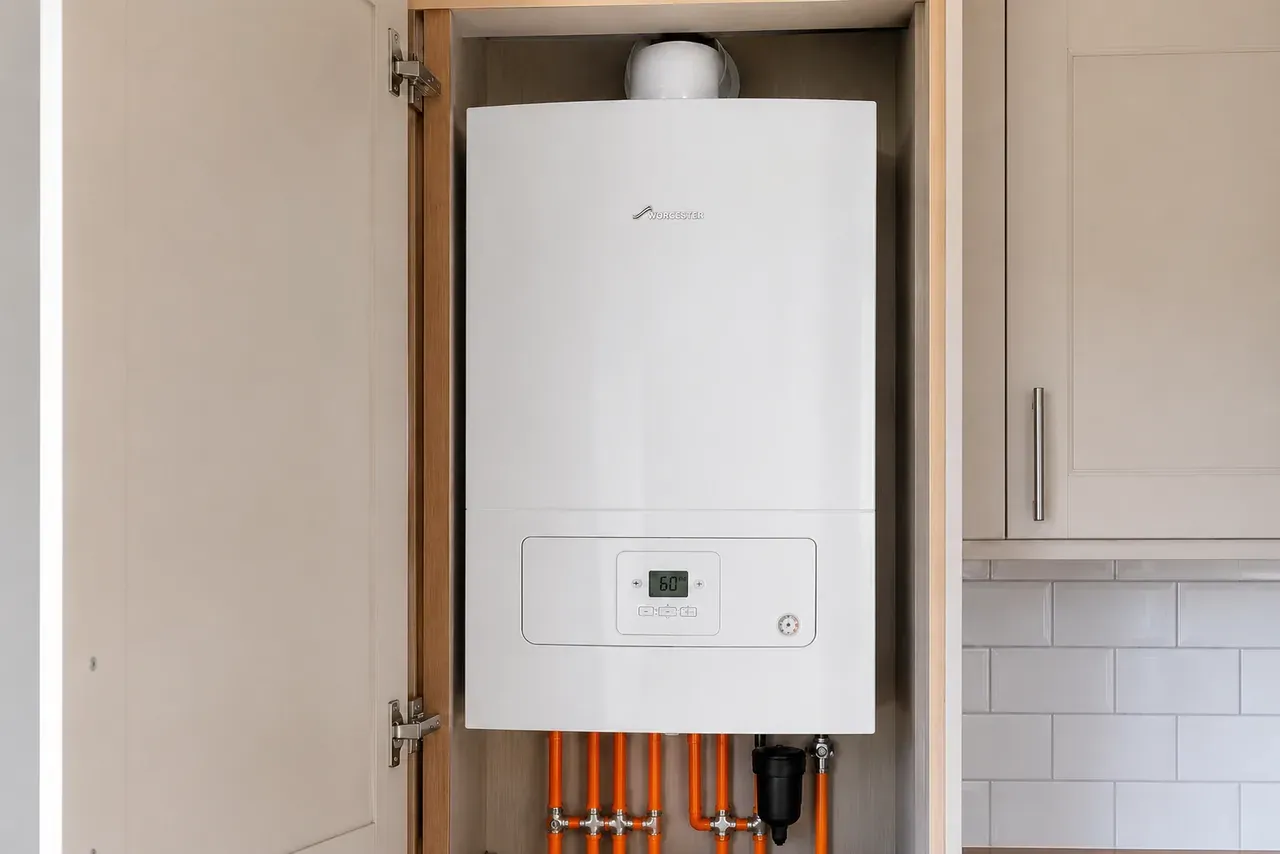
A combi boiler provides both central heating and instant hot water from a single compact unit, making it a popular choice for many UK homes. This integrated system removes the need for separate hot water storage tanks, offering convenience, space-saving benefits, and high energy efficiency.
What is a combi boiler?
A combi boiler, short for 'combination boiler', is a single, compact appliance that efficiently delivers both heating for your radiators and hot water for your taps and showers. Unlike traditional systems that require a separate hot water cylinder and cold water tank, a combi boiler heats water directly from the mains supply as and when you need it. This on-demand approach means you never run out of hot water, and energy isn't wasted keeping a tank warm.
How a combi boiler works
When you turn on a hot tap or switch on your heating, a combi boiler draws cold water directly from the mains. Inside the unit, a heat exchanger rapidly warms this water to your desired temperature before sending it to your radiators or hot water outlets. For central heating, the heated water circulates through your radiators, returning to the boiler to be reheated. For domestic hot water, the boiler prioritises heating water for immediate use, ensuring a continuous supply.
Key components and their functions
At its core, a combi boiler contains a burner, a primary heat exchanger for central heating, and a secondary heat exchanger for domestic hot water. It also includes a pump to circulate water, a diverter valve to switch between heating and hot water modes, and various sensors and controls to maintain efficiency and safety. Modern units often feature advanced controls, allowing for precise temperature management and system optimisation.
Advantages of a combi boiler
Combi boilers offer several compelling advantages that contribute to their widespread popularity in the UK.
Instant hot water on demand
One of the most significant benefits of a combi boiler is its ability to provide hot water instantly and continuously. There's no waiting for a tank to refill or reheat, meaning you can enjoy a hot shower or bath whenever you like, without worrying about the supply running out.
Space-saving design
By combining heating and hot water functions into one unit, combi boilers free up valuable space in your home. They eliminate the need for a hot water cylinder in an airing cupboard and a cold water tank in the loft, making them an ideal choice for smaller properties or homes where space is at a premium.
High energy efficiency
Modern combi boilers are designed for high energy efficiency, converting a significant percentage of fuel into usable heat. Many models achieve efficiency ratings of over 90%, with some reaching 95-98%, meaning less energy is wasted during operation [4, 22, 23]. This efficiency can lead to lower energy bills and a reduced carbon footprint. All new gas boilers installed in England must meet a minimum 92% ErP (Energy-related Products) efficiency standard [2, 15, 16].
Simpler installation process
Compared to traditional boiler systems with multiple tanks and extensive pipework, combi boilers generally have a simpler installation process. Their compact nature and integrated design can streamline fitting, though professional installation by a Gas Safe registered engineer is always essential.
Potential drawbacks to consider
While combi boilers offer many benefits, they also have certain limitations that might make them less suitable for some households.
Hot water flow limitations
Combi boilers heat water as it flows through the unit, which means their hot water flow rate can be limited. This can become noticeable if multiple hot water outlets, such as two showers or a shower and a tap, are used simultaneously, potentially leading to a drop in water pressure and temperature.
Reliance on mains water pressure
The performance of a combi boiler is directly linked to your property's mains water pressure and flow rate. If your home has low mains water pressure, a combi boiler might not be able to deliver hot water as effectively as needed, impacting shower performance and overall hot water availability.
Not always suitable for larger homes
Due to their hot water flow limitations, combi boilers are generally best suited for homes with one or two bathrooms. Larger properties with higher hot water demands or multiple bathrooms that are frequently used at the same time might find a system or conventional boiler with a hot water cylinder more appropriate to ensure a consistent supply. For those considering different heating solutions, exploring options like a heat pump vs boiler might be beneficial.
Choosing the right combi boiler for your home
Selecting the right combi boiler involves careful consideration of your home's specific needs and characteristics.
Sizing your boiler correctly
The size of your combi boiler, measured in kilowatts (kW), needs to match your home's heating and hot water demands. An undersized boiler won't cope with demand, while an oversized one can operate inefficiently. Factors like the number of radiators, bathrooms, and occupants all influence the ideal boiler size. A professional assessment is crucial to ensure correct sizing.
Understanding flow rates and pressure
Before choosing a combi boiler, it's important to check your property's mains water pressure and flow rate. These will determine how well a combi boiler can deliver hot water, especially if you have multiple bathrooms or desire powerful showers. An installer can measure these for you.
Energy efficiency ratings and ErP labels
All new boilers come with an ErP (Energy-related Products) label, which provides an energy efficiency rating. Look for boilers with an 'A' rating, indicating high efficiency . Modern regulations, specifically the Boiler Plus standards introduced in April 2018, require new gas boilers to have a minimum 92% ErP efficiency [2, 15, 16]. This ensures you're installing a highly efficient appliance that minimises energy waste.
Fuel type considerations
Combi boilers are predominantly gas-fired in the UK, connecting to the national gas grid. Gas boilers are a popular choice due to their efficiency and the widespread availability of natural gas. When considering a combi boiler, ensure your property has access to a gas supply.
Installation and maintenance
Proper installation and regular maintenance are key to ensuring your combi boiler operates safely, efficiently, and reliably for years to come.
The professional installation process
All new boiler installations in the UK must be carried out by a Gas Safe registered engineer. This is a legal requirement designed to ensure safety and compliance with strict regulations. A qualified engineer will ensure the boiler is correctly sized, installed according to Building Regulations Approved Document L, and registered with both Building Control and the manufacturer.
Importance of regular servicing
An annual service by a Gas Safe registered engineer is vital for maintaining your combi boiler's efficiency, prolonging its lifespan, and ensuring its safe operation. Regular servicing can identify potential issues before they become major problems, keep your warranty valid, and ensure the boiler continues to meet efficiency standards. Understanding your energy usage, perhaps through a smart meter installation, can also help you track the impact of an efficient boiler.
How much does a new combi boiler installation cost in the UK?
The average cost for a new combi boiler installation in the UK typically ranges from £1,800 to £3,500, depending on the specific model and the complexity of the installation [10, 11, 13]. This figure includes both the cost of the boiler unit and the labour for fitting it.
Common issues and troubleshooting tips
While modern combi boilers are reliable, minor issues can arise. Common problems include a loss of pressure, which can often be resolved by repressurising the system according to the manufacturer's instructions, or a lack of hot water, which might indicate a fault with the diverter valve. For any persistent or serious issues, always contact a Gas Safe registered engineer. Never attempt to repair a gas appliance yourself. For more ways to manage your energy consumption, check out these energy saving tips.
Why choose Fuse Energy for your combi boiler?
Choosing Fuse Energy for your combi boiler installation means opting for effortless, intelligent home comfort, backed by quality and dedicated support.
The Vaillant ecotec Plus difference
Fuse exclusively installs the Vaillant ecoTEC Plus combi boiler, a premium and reliable model known for its exceptional efficiency and performance. Vaillant ecoTEC Plus boilers boast an impressive 94% ErP efficiency rating, ensuring less energy is wasted and your home stays warm efficiently [24, 25, 27]. This focus on a high-quality, trusted brand aligns with Fuse's commitment to providing reliable heating solutions.
Seamless installation and 24/7 support
Fuse ensures a seamless installation experience, carried out by Gas Safe registered engineers who adhere to all UK regulatory standards. Beyond installation, Fuse provides peace of mind with round-the-clock expert assistance. Our 24/7 human support means you always have someone to turn to for any heating or hot water concerns, ensuring your home comfort is never compromised.
Smart energy management with the Fuse app
With a Fuse-installed Vaillant ecoTEC Plus combi boiler, you gain insights into your home's heating energy usage through the Fuse app. This smart energy management allows you to monitor your heating consumption, helping you to optimise comfort and energy use. It puts the power of understanding your home's warmth right at your fingertips.
Disclaimer
For the avoidance of doubt, this article is provided for informational purposes only and is not intended to constitute legal or financial advice. The author and/or Fuse Energy shall not be responsible for any losses arising out of any reliance on the information contained herein.