New boiler: costs, benefits, and installation guide
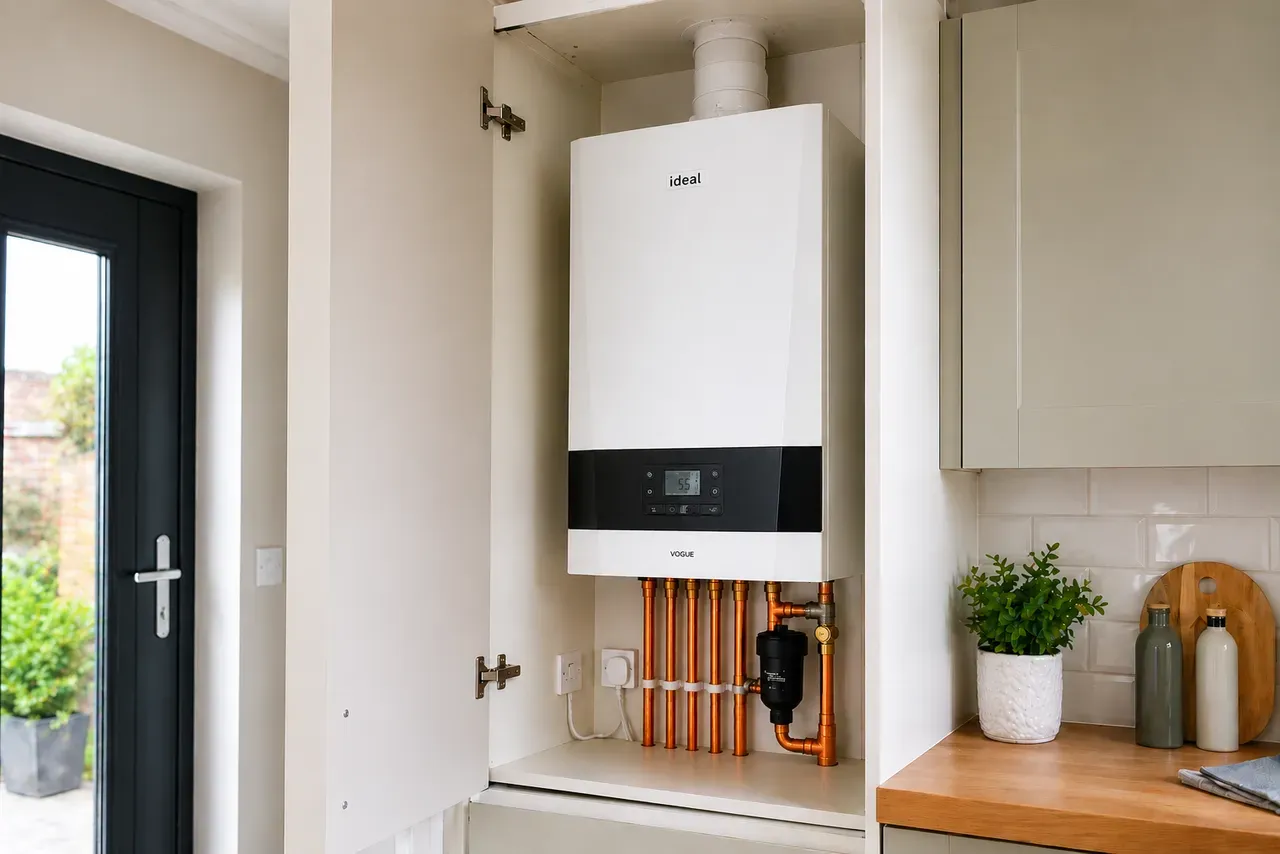
Replacing an old or broken boiler is a significant decision for homeowners, affecting warmth, energy bills, and environmental impact. This guide will walk you through the costs involved, the benefits of upgrading, and what to expect during installation.
Understanding new boiler costs
The cost of a new boiler installation can vary widely, influenced by several factors. Understanding these elements helps with budgeting and making an informed choice.
Average installation costs
The average cost for a new boiler installation in the UK typically ranges from £2,500 to £4,500, including both the boiler unit and labour. For a straightforward like-for-like combi boiler replacement in the same location, costs can be at the lower end of this range. More complex jobs, such as converting from a traditional boiler system to a combi boiler or relocating the boiler, can push costs higher.
Factors influencing boiler price
Several elements contribute to the overall price of a new boiler installation:
- Boiler type: Combi, system, and regular boilers have different price points due to their complexity and components.
- Installation complexity: A like-for-like replacement in the same location is generally the cheapest. Moving the boiler to a new spot, converting boiler types (e.g., from a regular to a combi), or upgrading pipework will increase labour and material costs.
- Boiler brand and model: Premium brands or models with advanced features often come with a higher price tag. Fuse Energy exclusively installs the high-efficiency Vaillant ecoTEC Plus gas boiler.
- Property size and hot water demand: Larger homes or those with multiple bathrooms require more powerful boilers, which are typically more expensive.
Additional costs to consider
Beyond the boiler unit and basic installation, other expenses might arise:
- Flushing the system: A power flush cleans out sludge and debris from your heating system, improving efficiency.
- New pipework or radiators: If your existing system is old or incompatible, upgrades may be necessary.
- Smart thermostat installation: The Boiler Plus standard (2018) mandates additional energy efficiency measures, such as a smart thermostat or flue gas heat recovery, for new boiler installations in England.
- Waste removal: Disposing of your old boiler.
- Warranty registration and annual servicing: Boiler warranties typically require annual servicing by a Gas Safe registered engineer to remain valid.
Choosing the right boiler type
Selecting the correct boiler type is crucial for efficient heating and hot water provision in a UK home.
Combi boilers
Combi (combination) boilers are popular in the UK as they provide both heating and instant hot water directly from the mains, eliminating the need for a hot water cylinder or cold water tank. They are ideal for smaller to medium-sized homes with one bathroom.
System boilers
System boilers require a hot water storage cylinder but not a cold water tank, as most of their major components are built into the boiler itself. They are suitable for homes with multiple bathrooms where there's a higher demand for hot water simultaneously.
Regular boilers
Also known as conventional or heat-only boilers, regular boilers require both a hot water cylinder and a cold water storage tank, typically located in the loft. They are often found in older, larger homes and are suitable for properties with multiple bathrooms.
Considering boiler size and output
Choosing an incorrectly sized boiler can lead to inefficiency or insufficient output. A boiler's output, measured in kilowatts (kW), should match your home's heating and hot water demands. Factors like the number of radiators, bathrooms, and the property's insulation levels all influence the required size. A qualified installer will assess your home to recommend the appropriate boiler size.
Benefits of upgrading to a new boiler
Upgrading to a new boiler offers significant advantages beyond just replacing a broken unit.
Improved energy efficiency
Modern condensing boilers can be over 90% efficient, compared to older models that might be 60-70% efficient. This improvement means less wasted energy and lower running costs, leading to noticeable savings on your energy bills. The Boiler Upgrade Scheme (BUS) does not apply to gas boilers.
Enhanced reliability and safety
New boilers come with modern safety features and are less prone to breakdowns than older units. This translates to reliable warmth and hot water, reducing the inconvenience and cost of frequent repairs.
Increased home value
A new, efficient boiler can be an attractive feature for potential buyers, potentially increasing your home's market value. It signals that the property has a modern and reliable heating system, reducing immediate maintenance concerns for new owners.
The new boiler installation process
A new boiler installation typically takes 1-3 days, depending on the complexity of the job. Here's what to expect.
What to expect before installation
Before installation, a qualified engineer will conduct a home survey to assess your current heating system, hot water needs, and property layout. This helps determine the most suitable boiler type and size, as well as identify any potential complexities or additional work required. You will then receive a detailed quote outlining the costs involved.
During installation
The installation process involves removing your old boiler, preparing the site for the new unit, installing the new boiler, connecting it to your existing pipework and flue, and integrating any new controls like smart thermostats. The installer will also ensure the system is filled, bled, and free from leaks.
After installation and commissioning
Once installed, the engineer will commission the boiler, ensuring it operates safely and efficiently. They will explain how to use your new system and its controls. It is essential to register your new boiler with the manufacturer to activate its warranty, which typically requires annual servicing to remain valid.
Selecting a qualified boiler installer
Choosing a reputable and qualified installer is paramount for a safe and efficient new boiler installation.
Why choose a gas safe registered engineer
All new boiler installations in the UK must be carried out by a Gas Safe registered engineer. This is a legal requirement, ensuring the engineer is qualified and competent to work safely with gas. Always ask to see their Gas Safe ID card.
Checking credentials and reviews
Beyond Gas Safe registration, look for installers with positive reviews and a strong track record. Check independent review sites and ask for references. A good installer will offer a clear, itemised quote and be transparent about all costs and the scope of work.
Fuse Energy: a modern approach to boiler installation
Fuse Energy simplifies the new boiler decision by offering a high-efficiency Vaillant ecoTEC Plus, ensuring reliable warmth without constant worry about energy use. Fuse provides a transparent and digital-first process for getting a new boiler quote and managing the installation, backed by 24/7 human support. This approach offers a modern, hassle-free experience for a significant home upgrade, contrasting with traditional complexities.
Disclaimer
For the avoidance of doubt, this article is provided for informational purposes only and is not intended to constitute legal or financial advice. The author and/or Fuse Energy shall not be responsible for any losses arising out of any reliance on the information contained herein.