Air source heating radiator compatibility
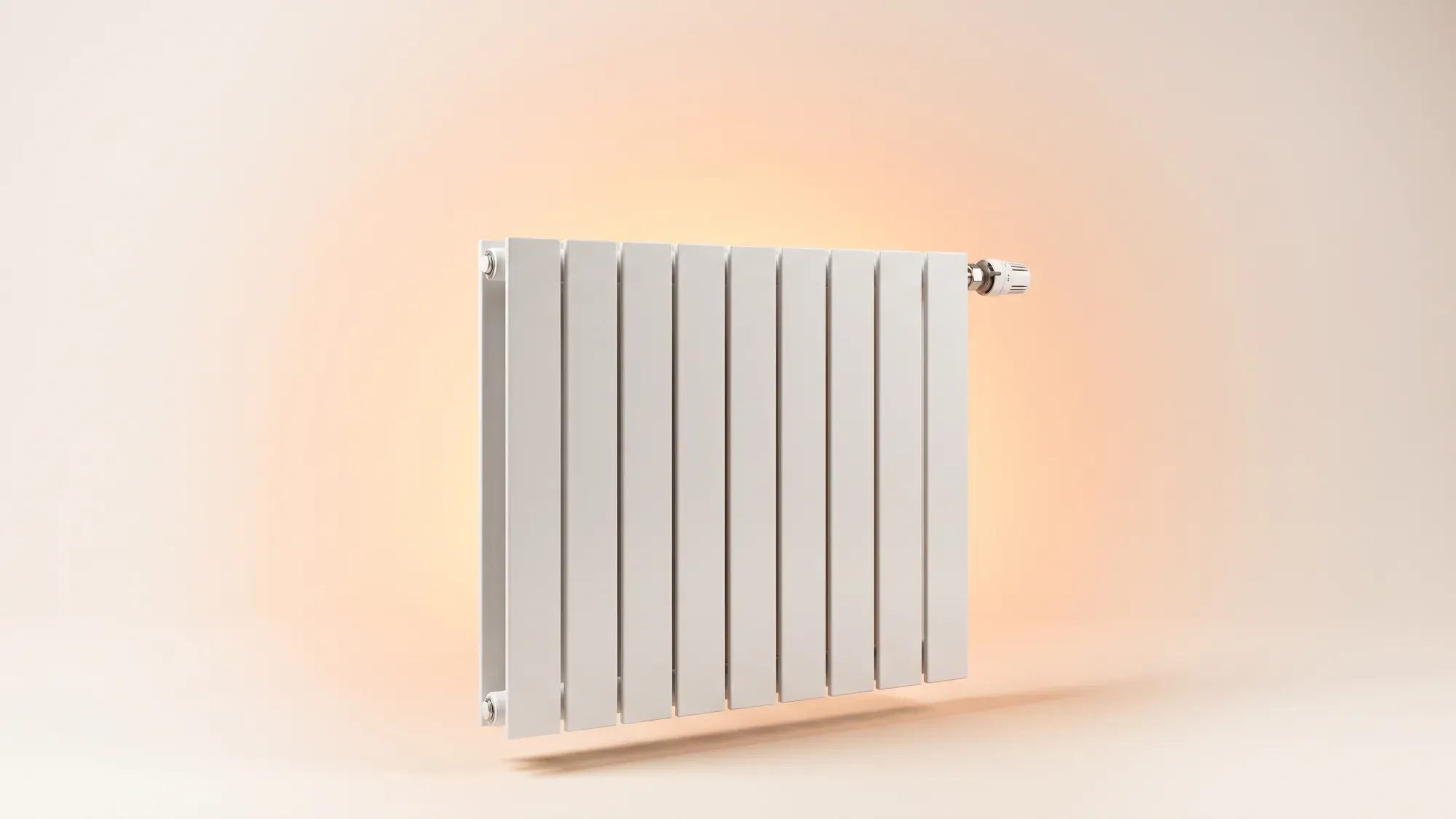
Switching to an air source heat pump is a significant step towards a more energy-efficient home. However, many homeowners wonder if their existing radiators are suitable. Heat pumps operate differently from traditional boilers, and understanding these differences is crucial for ensuring your home stays warm and your system runs efficiently.
If you're considering an air source heat pump, optimising your heating system is key to unlocking its full potential. Fuse Energy helps you manage your home's energy efficiently, making the most of your new setup. Click here to see how easy it is to get started with smarter energy.
Enter your address to get a quote and see how much you could save
Understanding air source heat pumps and radiators
Air source heat pumps extract heat from the outside air, even in cold temperatures, and transfer it into your home's heating system. This renewable technology offers an alternative to conventional fossil fuel boilers, reducing your carbon footprint and potentially your running costs.
How heat pumps work with your heating system
An air source heat pump works by circulating a refrigerant through an outdoor unit, which absorbs heat from the air. This warmed refrigerant then passes through a compressor, increasing its temperature and pressure. Finally, the heat is transferred to your home's water-based heating system, which then circulates through your radiators or underfloor heating. This process efficiently moves heat rather than generating it by burning fuel.
Key differences from traditional boilers
The most significant difference between an air source heat pump and a traditional gas boiler lies in their operating temperatures. Gas boilers typically heat water to between 60°C and 80°C to circulate through radiators. In contrast, air source heat pumps are designed to operate most efficiently at much lower flow temperatures, usually between 35°C and 55°C, though some can reach 60-65°C, or even up to 80°C in high-temperature models.
This lower flow temperature is fundamental to a heat pump's efficiency. Air source heat pumps can achieve efficiencies of 300% or more, meaning they produce around 3 kWh or more of heat for every 1 kWh of electricity used, because they move existing heat from the outside air rather than burning fuel. The smaller the difference between the outdoor temperature and the temperature the heat pump needs to produce, the less electricity it consumes. This means radiators will feel warm to the touch rather than very hot.
Radiator compatibility: do you need new ones?
Many homeowners worry that installing an air source heat pump automatically means replacing all their radiators. This isn't always the case, but an assessment is essential to ensure your heating system performs optimally.
Assessing your existing radiators
To determine if your current radiators are compatible, consider their material, size, and overall condition. Radiators designed for a gas boiler's higher flow temperatures might not emit enough heat when supplied with water at 35-55°C. A professional installer will evaluate your home's heat loss and your radiators' output to see if they can adequately heat each room at lower temperatures.
The importance of lower flow temperatures
Because heat pumps work best at lower flow temperatures, your radiators need to have a larger surface area to dissipate enough heat into the room. If your existing radiators are too small for these lower temperatures, your home might not reach your desired comfort level, or your heat pump might have to work harder at higher, less efficient temperatures.
Signs your radiators may need upgrading
You might need to upgrade your radiators if:
- Your home struggles to stay warm even when your current heating system is on full.
- Your radiators feel only lukewarm, rather than hot, to the touch.
- You frequently rely on electric heaters or other supplementary heating to keep rooms comfortable.
- Your home has poor insulation, which exacerbates the need for higher heat output from radiators.
Choosing and sizing radiators for optimal efficiency
If an upgrade is necessary, selecting the right radiators is crucial for maximising your heat pump's efficiency and your home's comfort.
Types of radiators for heat pumps
While standard radiators can work with heat pumps if correctly sized, certain types are particularly well-suited for low-temperature heating systems:
- Larger standard radiators: Often, simply installing larger versions of conventional radiators can provide the necessary heat output at lower flow temperatures. Radiators may need to be 1.5-2 times larger than those used with a gas boiler.
- Aluminium radiators: These are often more efficient at transferring heat than steel radiators, making them a good choice for heat pump systems.
- Fan-assisted radiators (fan convectors): These units incorporate a small fan to boost heat output, allowing them to provide more warmth from a smaller footprint at lower flow temperatures.
- Underfloor heating: This is an ideal partner for heat pumps, as it operates very efficiently at the lowest flow temperatures (typically 30-40°C), where heat pumps are most efficient.
Calculating heat loss and radiator output
A professional heat loss calculation for your home is the most important step. This assessment determines how much heat each room loses, taking into account factors like room size, insulation levels, window types, and external walls. Once you know the heat loss for each space, an installer can accurately calculate the required heat output (often measured in British Thermal Units (BTUs) or Watts) for your radiators. This ensures your new or existing radiators can meet your home's heating demands at the heat pump's lower operating temperatures.
Radiator sizing for air source heat pumps
Correct radiator sizing is not just about comfort; it directly impacts the efficiency and running costs of your heat pump system. Getting it wrong can mean your home is either too cold or your heat pump runs inefficiently at unnecessarily high temperatures. Upgrading to correctly sized radiators can improve the overall efficiency of an air source heat pump system.
Maximising your heat pump system's performance
Beyond radiator compatibility, several factors contribute to the overall efficiency and performance of your air source heat pump system.
The role of home insulation
Good home insulation is paramount for any efficient heating system, but it is especially critical for air source heat pumps. Well-insulated homes retain heat more effectively, reducing the demand on the heat pump and allowing it to operate at its most efficient lower temperatures. Building Regulations (Part L) set standards for the energy performance of buildings, influencing insulation requirements that directly impact heat pump efficiency. Improving wall and loft insulation, and upgrading to double glazing, can significantly reduce a room's heat demand, potentially allowing lower flow temperatures without any radiator changes. For more ways to keep your home warm, explore our energy efficiency tips.
System design and installation considerations
The overall design and installation of your heat pump system play a vital role. This includes ensuring appropriate pipework, correctly configured controls, and seamless integration with your hot water system. An accredited installer will ensure the system is balanced and optimised for your home.
What is the Boiler Upgrade Scheme?
The Boiler Upgrade Scheme (BUS) provides grants to eligible homeowners in England and Wales to help with the upfront costs of installing low-carbon heating systems like air source heat pumps. The standard grant is £7,500 for air source and ground source heat pumps. Since 21 July 2026, households in England and Wales currently on heating oil can claim an uplifted £9,000 to move off the oil grid. The MCS-certified installer applies for the grant on the homeowner's behalf, and the grant value is deducted from the installation quote.
The UK government's BUS offers grants to help homeowners in England and Wales with the cost of installing air source heat pumps, making the transition more affordable. You can find more detailed information on this scheme in our BUS guide.
Addressing common radiator issues
If your air source heat pump radiators aren't getting hot, or not hot enough, several common issues might be at play:
- Air in the system: Trapped air can prevent hot water from circulating effectively. Bleeding your radiators can resolve this.
- System imbalance: Your heating system might need balancing to ensure hot water is distributed evenly to all radiators.
- Incorrect flow temperature settings: The heat pump's flow temperature might be set too low for your radiators' output or your home's heat loss.
- Poor insulation: If your home is losing heat rapidly, even correctly sized radiators might struggle to keep up.
Future-proofing your home heating with Fuse
Optimising your radiators for an air source heat pump is a foundational step towards a home where heating is efficient and cost-effective. Fuse Energy aims to support this journey, helping you achieve an energy-abundant home.
Integrating smart energy management
The right radiator setup, combined with a heat pump, integrates seamlessly with smart energy management systems. Fuse's app provides clear insights into your energy usage, helping you understand how your heat pump and radiator system performs and how to optimise it further for efficiency and cost savings. This transparency and control over your energy allows you to make informed decisions and maximise comfort while minimising cost.
Considering electrical infrastructure upgrades
Installing a heat pump might sometimes require upgrades to your home's electrical infrastructure, such as a meter tail upgrade or, in rare cases for very large systems, an upgrade to a three-phase supply. Fuse can guide homeowners through these practical considerations, positioning itself as a partner in modernising your entire home energy system.
Long-term benefits of an optimised system
An optimised air source heat pump and radiator system provides significant long-term benefits. You'll enjoy consistent, comfortable heating, reduced energy bills, and a lower carbon footprint. By embracing modern heating solutions and smart energy management, you're not just upgrading your home; you're future-proofing your energy infrastructure and gaining greater control over your home's comfort and costs.
Making the most of your air source heat pump means having an energy supplier that supports your efficiency goals. Fuse Energy offers clear pricing, real-time usage data through our app, and 24/7 human customer support to help you understand and manage your energy. Switching is quick and easy, putting you in control of your bills from day one. Click here to switch to Fuse Energy today and start your journey towards a smarter, more efficient home. Discover more about our vision for an energy-abundant future here.
Disclaimer
For the avoidance of doubt, this article is provided for informational purposes only and is not intended to constitute legal or financial advice. The author and/or Fuse Energy shall not be responsible for any losses arising out of any reliance on the information contained herein.