Most energy-efficient cooker: reduce your running costs
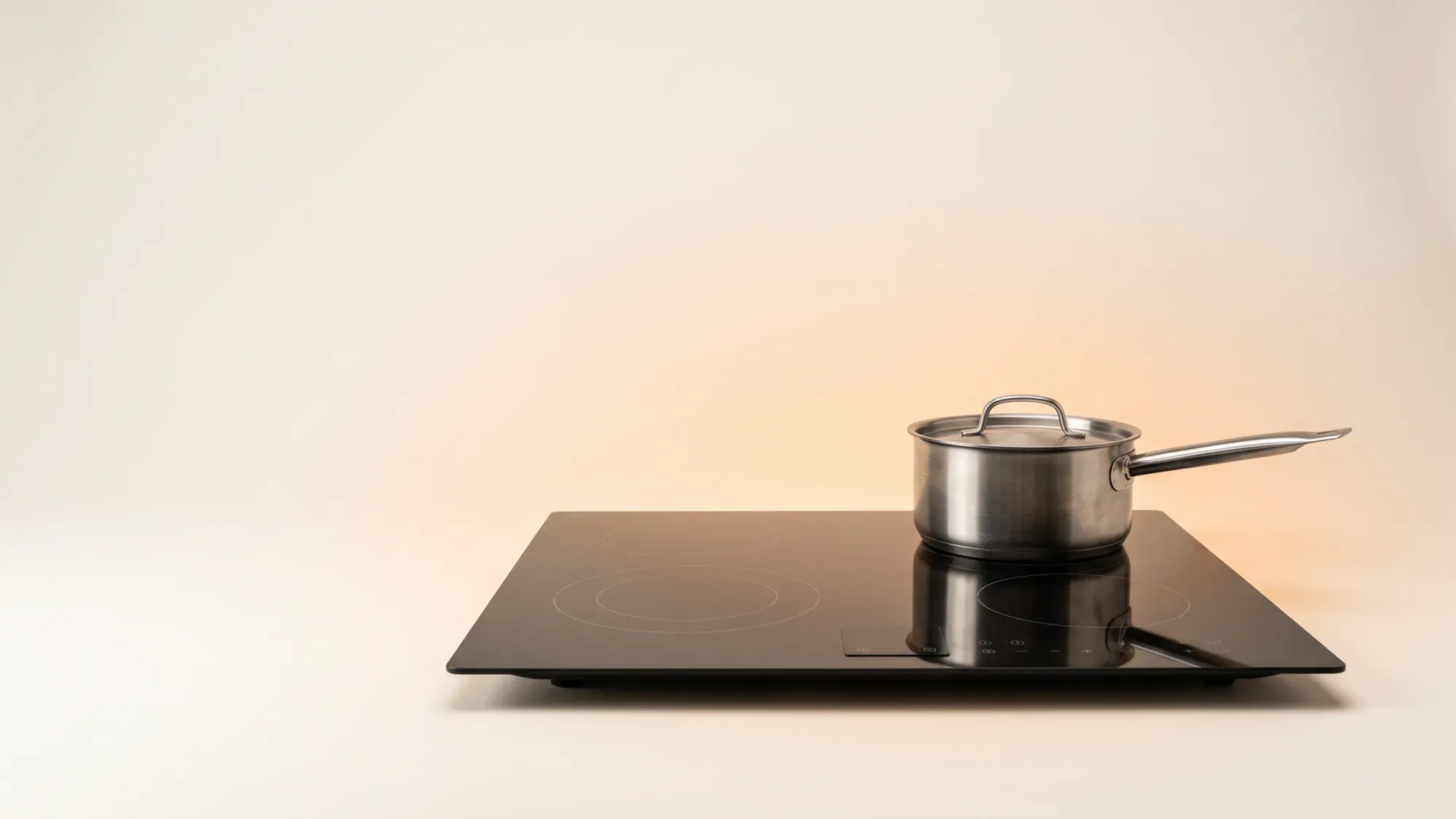
Choosing the most energy-efficient cooker is a smart move for UK households looking to cut down on running costs and manage their energy consumption effectively. By understanding energy ratings and different cooker technologies, you can make an informed choice that aligns with your budget and cooking habits. Fuse helps customers make informed decisions about managing their energy, directly linking appliance choice to household running costs and overall energy management.
Enter your address to get a quote and see how much you could save
Understanding cooker energy efficiency
What makes a cooker energy efficient?
An energy-efficient cooker is designed to minimise heat loss and maximise the transfer of energy to your food. Key factors include superior insulation, which keeps heat contained within the oven cavity, and advanced hob technologies that reduce wasted energy. Modern cookers often incorporate features like fan-assisted ovens, which distribute heat more evenly, allowing for lower cooking temperatures and shorter cooking times. This combination of design and technology ensures that more of the energy consumed is used for its intended purpose: cooking your food.
The role of energy labels
Energy efficiency ratings for cookers in the UK are displayed on a mandatory A-G scale, with A being the most efficient. These labels provide a clear, standardised way to compare the energy performance of different appliances. All new cookers sold in the UK must display an energy label, indicating their energy efficiency class and energy consumption. This labelling framework is regulated by UK law, aligning with former EU directives to provide clear information to consumers. The higher the rating (closer to A), the less energy the appliance will consume, leading to lower running costs over its lifetime.
What do energy labels on cookers mean?
Energy labels on cookers in the UK use an A-G scale, with A being the most efficient. These labels are mandatory for all new cookers and indicate the appliance's energy efficiency class and consumption. A higher rating means lower energy use and reduced running costs over time.
Types of energy-efficient cookers
Induction hobs: the efficiency leader
Induction hobs stand out as the most energy-efficient choice for cooking. They work by creating a magnetic field that directly heats the cookware, rather than heating the hob surface itself. This direct heat transfer means very little energy is wasted, making them exceptionally efficient. Induction hobs can achieve up to 90% energy efficiency, significantly higher than other hob types. This superior efficiency translates into faster cooking times and substantial energy savings.
Ceramic and solid plate hobs
Ceramic and solid plate hobs are electric alternatives to induction, but they are generally less efficient. Ceramic hobs use radiant heat elements beneath a smooth glass surface, which then heats the pan. Solid plate hobs, an older technology, use cast iron plates that heat up. Both methods involve heating the hob surface before the pan, leading to more heat loss to the surrounding air compared to induction. While electric burners can be up to 80% efficient, they don't match the direct energy transfer of induction technology.
Fan-assisted ovens vs conventional ovens
When it comes to ovens, fan-assisted models offer a notable advantage in energy efficiency. Unlike conventional ovens that rely on natural convection, fan-assisted ovens use a fan to circulate hot air evenly throughout the cavity. This uniform heat distribution means food cooks more consistently and often faster. Fan-assisted ovens can use around 20% less energy compared to conventional ovens. This efficiency allows you to cook at lower temperatures or for shorter durations, saving energy with every meal. Understanding the efficiency of various home appliances, such as how an air source heat pump works, can help you make informed decisions across your entire home.
Gas vs electric: running cost comparison
The choice between a gas and electric cooker significantly impacts running costs, influenced by both unit rates and appliance efficiency.
Comparing unit rates for gas and electricity
In the UK, the average electricity unit rate for a Direct Debit customer on the Ofgem price-cap default tariff for 1 July to 30 September 2026 is 26.11p per kWh. In contrast, the average gas unit rate for the same period is 7.33p per kWh. These figures highlight a considerable difference in the cost per unit of energy, with electricity being significantly more expensive per kWh than gas.
Efficiency differences between fuel types
Despite the lower unit rate for gas, electric cookers, especially those with induction hobs and fan-assisted ovens, can often be more energy-efficient overall. As noted, induction hobs are far more efficient at transferring heat to food than gas hobs, which typically operate at 30-40% efficiency. While gas ovens can heat up quickly, electric ovens, particularly fan-assisted models, offer better temperature control and more even heat distribution, which can reduce cooking times and energy use. The higher efficiency of electric appliances can sometimes offset the higher electricity unit rate, leading to comparable or even lower running costs in some scenarios. Considering the overall running cost of an air source heat pump can also provide a broader perspective on home energy expenses.
Factors affecting your personal running costs
Your personal cooking habits play a crucial role in determining the actual running costs. Frequent cooking, long baking sessions, and the type of dishes you prepare all contribute. For instance, if you primarily use hob cooking, an induction hob will likely be the most cost-effective due to its high efficiency. If you bake frequently, a fan-assisted electric oven could be more economical than a conventional gas oven. Understanding your usage patterns is key to making the most energy-efficient choice for your home.
Practical tips for energy-efficient cooking
Beyond choosing an efficient appliance, adopting smart cooking habits can further reduce your energy consumption and bills.
Optimising your hob usage
- Match pan size to hob ring: Using a pan that's too small for the hob ring wastes heat. Ensure the base of your pan covers the entire heating area.
- Use lids: Covering pots and pans with lids traps heat and moisture, bringing food to a boil faster and reducing cooking time and energy use.
- Turn off early: Hobs, especially electric ones, retain heat. Turn off the hob a few minutes before your food is fully cooked and let the residual heat finish the job.
- Batch cook: Cooking larger quantities of food at once saves energy compared to cooking smaller portions multiple times.
Making the most of your oven
- Preheat only when necessary: Many dishes, especially those with longer cooking times, don't require a preheated oven.
- Don't open the door frequently: Each time you open the oven door, the temperature can drop by up to 25°C, requiring more energy to reheat.
- Utilise residual heat: Like hobs, ovens retain heat. Turn off the oven 10-15 minutes before the cooking time is up and let the remaining heat complete the process.
- Cook multiple dishes: If you're using the oven, try to cook several items at once to maximise the use of the energy consumed.
Smart cooking habits for savings
- Consider smaller appliances: For smaller meals or reheating, a microwave, slow cooker, or air fryer can be significantly more energy-efficient than a full-sized oven.
- Defrost food in the fridge: Thawing frozen food in the refrigerator overnight reduces the energy needed to cook it.
- Cut food into smaller pieces: Smaller pieces of food cook faster, reducing the time your hob or oven needs to be on.
Choosing your next energy-efficient cooker
Making an informed purchasing decision involves balancing your household needs with the energy efficiency features available.
Assessing your needs and budget
Before buying, consider your cooking style, the size of your household, and how often you cook. If you have a large family and cook elaborate meals daily, investing in a highly efficient induction range cooker might be worthwhile. For smaller households or those who cook less frequently, a more compact, efficient electric cooker could be sufficient. Factor in both the purchase price and the long-term running costs to get a true picture of the appliance's value.
Key features to look for
When exploring options, prioritise cookers with an A-rated energy label for optimal efficiency. For hobs, induction technology offers the best energy performance. In ovens, look for fan-assisted models with good insulation. Features like precise temperature control and programmable timers can also help manage energy use more effectively. By focusing on these key features, you can select a cooker that not only meets your cooking needs but also helps you reduce your energy bills.
Managing your energy bills should be clear and easy to understand. Fuse Energy focuses on straightforward pricing, so you can see exactly what you're paying without unnecessary complexity. If you have a smart meter, you can view detailed usage data through the app or website, helping you understand how you can lower your bills. Our 24/7 human support team is always on hand with fast response times whenever you need help. Click here to switch to Fuse Energy today. Find out about our mission by clicking here.
Disclaimer
For the avoidance of doubt, this article is provided for informational purposes only and is not intended to constitute legal or financial advice. The author and/or Fuse Energy shall not be responsible for any losses arising out of any reliance on the information contained herein.