Is electricity cheaper at night?
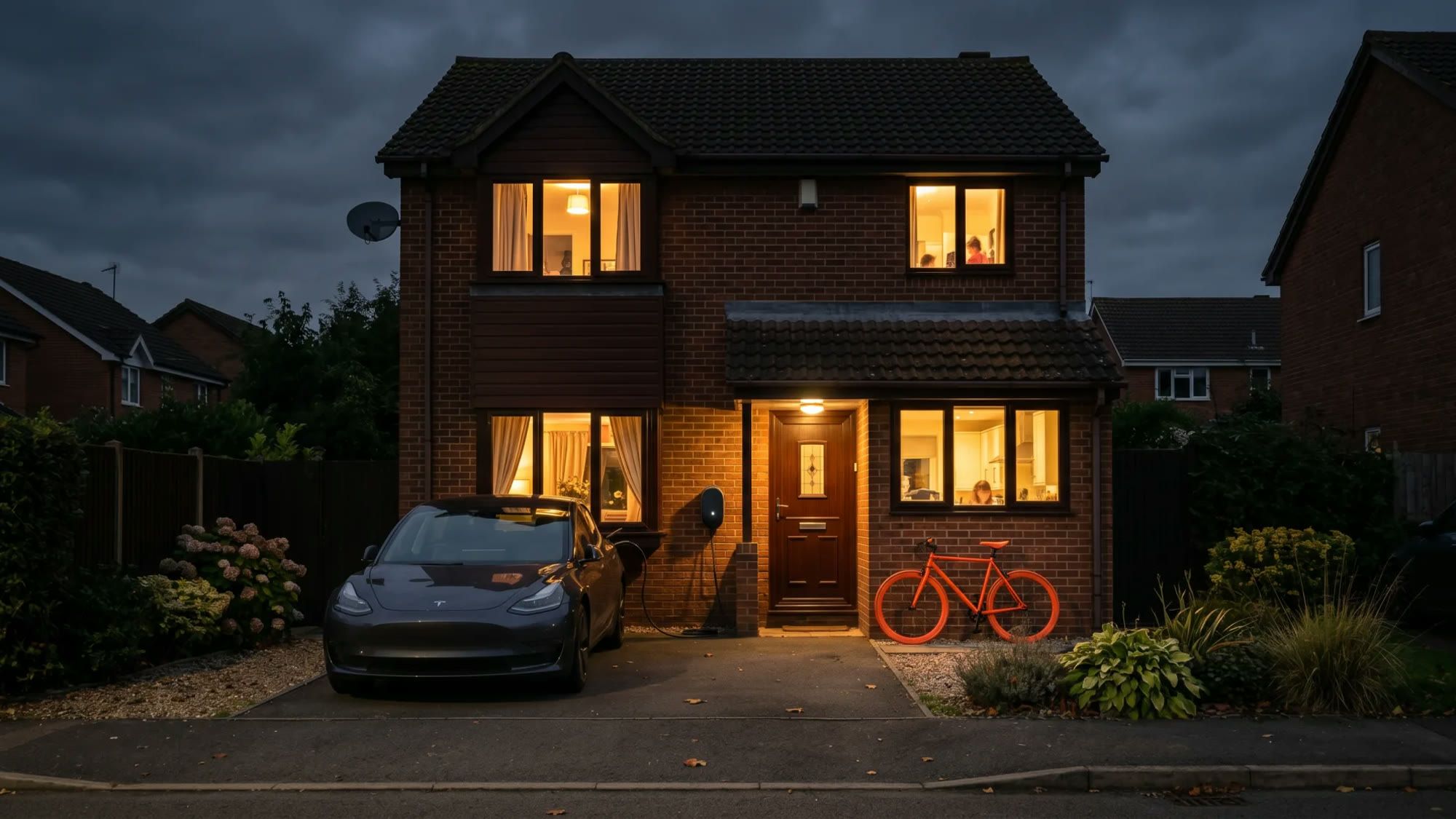
Yes, electricity can be significantly cheaper at night in the UK, but only if you are on a specific dual-rate tariff and have a compatible meter. Shifting your energy use to off-peak hours can be a smart move, offering potential savings on your electricity bills and helping the wider energy grid. Fuse Energy offers dual-rate tariffs, which can reward strategic energy consumption, especially when paired with a smart meter.
Understanding when electricity is cheaper can help you manage your energy use more effectively.
Is electricity cheaper at night? Here's how that connects to your home supply: With Fuse Energy, you get clear pricing, real-time usage data, 24/7 human customer support, and a modern energy experience designed around you. Signing up takes just a few minutes, so you can take control of your bills from day one. Click here to switch to Fuse Energy today and start saving.
Enter your address to get a quote and see how much you could save
Understanding off-peak electricity
Off-peak electricity refers to periods when the unit rate for electricity is lower than during peak times. These tariffs are designed to encourage consumers to use electricity when overall demand on the National Grid is lower.
What are off-peak tariffs?
Off-peak tariffs, also known as time-of-use tariffs or dual-rate tariffs, charge different prices for electricity depending on the time of day. You pay a lower unit rate during specified off-peak hours, typically at night, and a higher rate during peak hours. This contrasts with standard single-rate tariffs, where the price per unit of electricity remains constant regardless of when you use it.
Why electricity is cheaper at night
Electricity is cheaper at night because demand on the National Grid is typically much lower. During the day, particularly in the evenings between 4pm and 7pm, demand surges as people return home, switch on lights, cook dinner, and use appliances. This high demand makes electricity more expensive to generate and deliver. Overnight, when most of the country is asleep, demand drops significantly. Energy generation is cheaper during these hours, often utilising consistent baseload power stations and abundant wind power, allowing suppliers to offer lower rates to encourage usage and help balance the grid.
Types of off-peak tariffs in the UK
The UK offers several types of off-peak tariffs, with Economy 7 being the most well-known.
Economy 7 and Economy 10 explained
Economy 7 is a dual-rate electricity tariff that provides seven hours of cheaper electricity during the night and a higher rate during the day. The exact seven-hour window varies by region and supplier, but commonly falls between 10pm and 8am, or midnight and 7am. Economy 7 was originally designed for homes with electric storage heaters or hot water tanks, allowing them to charge overnight using cheaper electricity.
Economy 10 tariffs offer ten hours of cheaper electricity, often split into multiple periods throughout the day and night. For example, this might include a few hours in the afternoon, a couple in the evening, and five overnight. These tariffs are less common than Economy 7 but can offer more flexibility for households with diverse energy needs.
How dual-rate tariffs work
Dual-rate tariffs work by recording your electricity consumption at different times of the day using a compatible meter. Your energy supplier then applies the appropriate unit rate - either the cheaper off-peak rate or the more expensive peak rate - to the electricity you have used during those specific periods. This means your bill reflects when you used your energy, not just how much you used overall.
Do you need a smart meter for off-peak rates?
To truly benefit from modern dual-rate tariffs, a smart meter is generally essential.
The essential role of smart meters
A smart meter is typically required to access the most competitive and flexible dual-rate tariffs available today. These meters automatically send accurate readings to your supplier, enabling precise time-of-use billing without the need for manual submissions. This real-time data allows suppliers to offer dynamic tariffs with varying rates throughout the day, and it gives you clear insights into your energy consumption, helping you to optimise your usage and maximise savings. Homeowners often pair this with a smart meter installation to track usage.
Do smart meters save you money on their own?
While a smart meter itself doesn't directly save you money, it provides the accurate data needed for time-of-use tariffs and helps you understand your energy consumption. This insight, combined with shifting high-usage activities to cheaper off-peak periods, is what ultimately leads to savings on your bills.
What if you have an older meter?
If you have an older, multi-register meter (sometimes called a "dumb" meter) that records peak and off-peak usage separately, you might still be able to access some dual-rate tariffs like Economy 7. However, a significant change is underway: the Radio Teleswitch Service (RTS) meters, a legacy meter type that uses a radio signal to switch between peak and off-peak rates, are being phased out. The RTS signal began its phased shutdown from 30 June 2025. If you have an RTS meter, your energy supplier should contact you to arrange a free upgrade to a smart meter, which is necessary to avoid disruption to your heating or hot water and to continue accessing modern dual-rate tariffs.
Benefits of using electricity at night
Shifting your electricity consumption to off-peak hours offers both financial and environmental advantages.
Saving money on your bills
The most direct benefit of off-peak tariffs is the potential for significant savings. Off-peak electricity rates can be substantially lower than peak rates, sometimes less than half the daytime cost. By moving high-energy activities to these cheaper periods, you can reduce your overall electricity costs. While average household savings from time-of-use tariffs have been estimated between £25 and £70 a year in a recent Ofgem review, the potential for savings can be much higher if you consistently shift a significant portion of your usage. As a rule of thumb, Economy 7 tariffs often become financially beneficial if you use at least 40% of your electricity overnight. The average UK home uses around 2,500 kWh of electricity per year, according to Ofgem's medium Typical Domestic Consumption Value (TDCV) effective from 1 July 2026. This provides a clear benchmark for understanding your consumption. To understand how this is measured, you can learn what a kWh is.
Supporting the energy grid and environment
Using electricity during off-peak hours helps to balance demand on the National Grid. By spreading out electricity consumption more evenly, it reduces strain during peak times, making the grid more efficient and stable. This also often aligns with periods when renewable energy sources, such as wind power, are more abundant and cheaper to generate. By consuming energy when it is cleaner and more readily available, you contribute to a more sustainable and resilient energy system. This strategic use of energy aligns with Fuse Energy's vision of rebuilding the energy system from scratch, rewarding smart usage and moving away from outdated models.
Making the switch to an off-peak tariff
Switching to an off-peak tariff requires a few steps to ensure it is the right choice for your household.
Checking your eligibility and current usage
First, determine if you have a compatible meter. A smart meter is ideal for accessing the most flexible tariffs, but some older multi-register meters may also work. Next, evaluate your current energy usage patterns. Can you realistically shift a significant portion of your electricity consumption to night-time hours? Consider when you typically use appliances like washing machines, dishwashers, and electric vehicle chargers. If your lifestyle doesn't allow for much off-peak usage, a dual-rate tariff might not be the most cost-effective option for you.
Comparing tariffs and suppliers
Not all off-peak tariffs are created equal. The specific off-peak hours, the difference between peak and off-peak rates, and the standing charge can vary significantly between suppliers. It is crucial to compare available dual-rate tariffs from different energy providers to find one that best suits your needs and usage habits. Look for transparent pricing and clear information on both day and night rates. You can find out how to switch energy supplier if you find a better deal.
Adjusting your energy habits for maximum savings
Once you have switched to an off-peak tariff, the key to saving money is to actively shift your energy consumption. This means running high-usage appliances during the cheaper night-time window. For example, setting your washing machine or dishwasher to run overnight can make a substantial difference to your bills.
Maximising your night-time savings
To truly get the most out of an off-peak tariff, a proactive approach to your energy use is essential.
Identifying high-usage appliances
Focus on the appliances that consume the most electricity. These typically include:
- Washing machines
- Dishwashers
- Tumble dryers
- Electric vehicle (EV) chargers
- Storage heaters
- Immersion heaters
- Electric showers
By prioritising the use of these appliances during off-peak hours, you can maximise your savings.
Automating your energy use with smart devices
Smart home technology can make shifting your energy use much easier. Smart plugs and appliance timers allow you to schedule when your devices turn on and off, ensuring they operate during the cheapest hours without you having to manually switch them. Many modern washing machines and dishwashers also come with built-in delay timers. For EV charging, dedicated smart chargers can automatically optimise charging times to align with the lowest electricity rates. Fuse Energy aims to provide an app that helps customers monitor their usage and optimise for off-peak savings, offering clear data and control over their energy consumption.
Understanding whether electricity is cheaper at night can unlock significant savings for your household. Fuse Energy is committed to providing clear, modern energy solutions that put you in control. Switch to Fuse Energy today and take advantage of tariffs designed for smart energy use. Click here to get started.
Disclaimer
For the avoidance of doubt, this article is provided for informational purposes only and is not intended to constitute legal or financial advice. The author and/or Fuse Energy shall not be responsible for any losses arising out of any reliance on the information contained herein.