Heat pump Hastings: benefits and grants
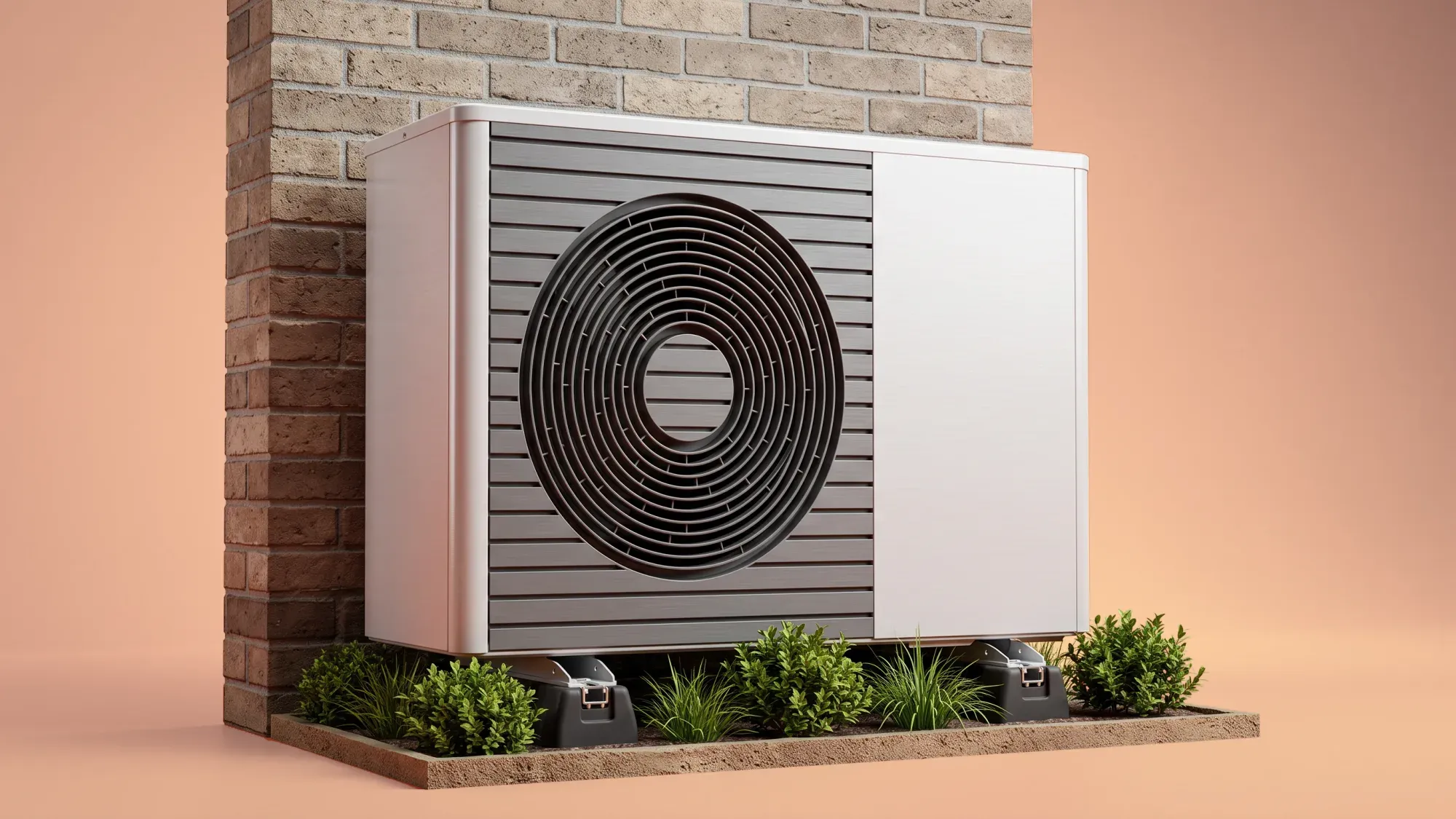
Hastings, with its iconic Victorian terraces, seaside flats, and a mix of newer developments, presents a unique landscape for homeowners considering a heat pump. Efficient heating and cooling solutions are increasingly important for comfort and energy bills. This guide provides Hastings residents with clear, localised information on the benefits, costs, grants, and installation process for heat pumps, helping you navigate the journey to a more energy-efficient home.
Why consider a heat pump for your Hastings home?
Heat pumps offer an energy-efficient, low-carbon heating solution for UK homes, reducing reliance on fossil fuels. They work by extracting heat from the air or ground and transferring it into your home, providing both heating and hot water, and can even offer cooling in warmer months.
The unique character of Hastings homes and climate
Hastings boasts a diverse housing stock, ranging from historic structures built before 1940 to modern homes constructed since 1999. This variety means that while some properties, particularly older ones, may require insulation upgrades to maximise heat pump efficiency, many homes are suitable for these systems. A heat pump system should be correctly sized for the property and paired with sensible insulation to ensure high efficiency (SCOP) during a typical UK winter.
Environmental and financial benefits
Switching to a heat pump can significantly reduce your home's carbon footprint by moving away from fossil fuel heating towards a cleaner energy source. Beyond the environmental advantages, heat pumps can lead to lower energy bills due to their high efficiency, especially when compared to traditional heating systems like oil, LPG, or electric. Modern heat pumps are designed to deliver more energy than they consume, making them one of the most efficient heating options available. If you're considering replacing an older gas boiler, a heat pump offers a significant upgrade in efficiency.
Understanding heat pump costs and grants in Hastings
The upfront cost of installing a heat pump can be a significant consideration for homeowners. However, various financial incentives and long-term savings make them a worthwhile investment.
The Boiler Upgrade Scheme: £7,500 for Hastings residents
The Boiler Upgrade Scheme (BUS), administered by Ofgem1, provides substantial financial support for heat pump installations in England and Wales. Homeowners can get £7,500 off the cost and installation of an air source heat pump or a ground source heat pump^[2,3]. This grant is a crucial factor in making heat pump technology more accessible and affordable. To qualify for the BUS grant, your chosen installer must be Microgeneration Certification Scheme (MCS) certified.
Local electricity costs: South East England price cap
Hastings is located within the South East England electricity distribution region. This regional classification influences the unit rates and daily standing charges set by Ofgem's price cap, which is updated quarterly. Understanding these local electricity costs is vital when calculating the potential running costs and long-term savings of a heat pump, as they operate using electricity. While heat pumps are highly efficient, their running costs will be directly tied to the prevailing electricity tariffs in the South East.
Overall investment and running costs
The total investment for a heat pump includes the unit cost, installation, and any necessary upgrades to your home's insulation or heating distribution system. While the initial outlay can be higher than a traditional boiler, the BUS significantly offsets this. Running costs are influenced by the system's efficiency, your home's insulation levels, and the local electricity tariffs. Many homeowners find that the long-term energy savings lead to a favourable return on investment.
Choosing the right heat pump for Hastings properties
Selecting the appropriate heat pump system is crucial for maximising efficiency and comfort in your Hastings home.
Air source vs ground source heat pumps
The two main types of heat pumps are air source and ground source. Air source heat pumps are more common and generally easier to install, as they extract heat from the outside air. They are suitable for most properties and do not require extensive excavation. Ground source heat pumps, while highly efficient, require more land for the ground loops, making them a better fit for properties with larger gardens. Your installer will help you determine which type is best suited to your property and lifestyle.
Ensuring your home is heat pump ready
For optimal performance, a heat pump system needs to be correctly sized for your property and paired with adequate insulation. Homes with poor insulation will lose heat quickly, making the heat pump work harder and reducing its efficiency. An initial assessment by a qualified installer will evaluate your home's layout, current insulation levels, and heating needs to recommend the right system and any necessary improvements.
The role of MCS certified installers
MCS certification for heat pump installers is not just a mark of quality; it is a mandatory requirement to qualify for the BUS grant. Choosing an MCS-certified installer ensures that your system is installed to a high standard and that you are eligible for government financial support. These installers have demonstrated competence and adhere to industry best practices, providing peace of mind regarding the reliability and performance of your system.
The heat pump installation process in Hastings
Installing a heat pump involves several key stages, from initial assessment to commissioning, and often requires interaction with local utility providers.
From initial assessment to commissioning
The process begins with a detailed home assessment by your chosen installer, who will evaluate your property's suitability and recommend a system. Once you approve the quote and your grant application is approved, the installation can be scheduled. This typically involves placing the outdoor unit, connecting it to your home's heating system, installing necessary pipework, and ensuring proper insulation. Finally, the system is commissioned and tested to ensure it operates efficiently.
Working with your local distribution Network Operator (DNO)
The local Distribution Network Operator (DNO) responsible for the electricity grid in Hastings is UK Power Networks4. While your installer will handle most technical aspects, it's useful to know that in the event of a power cut, residents can dial the free national number 105, which routes directly to your local DNO. For heat pump installations, especially those requiring significant electrical upgrades, your installer will liaise with UK Power Networks to ensure compliance and a smooth connection to the grid.
Maintaining your heat pump in Hastings
Like any home appliance, regular maintenance is key to ensuring your heat pump operates efficiently and reliably for years to come.
Routine checks and servicing
Most heat pumps last between 10-15 years with proper maintenance. Routine tasks, such as checking and cleaning filters and coils, are essential for keeping the system running efficiently. Your installer should provide guidance on user-level maintenance. Annual professional servicing is recommended to ensure optimal performance, identify any potential issues early, and maintain the system's warranty.
Troubleshooting common issues
While modern heat pumps are reliable, occasional issues can arise. Common problems might include reduced heating output, unusual noises, or error codes. Many minor issues can be resolved by checking the user manual or performing simple resets. However, for persistent problems or complex repairs, it's always best to contact a qualified heat pump technician. Emergency repair services are available for critical issues like complete system failure or leaks.
Making the switch to a greener home in Hastings
Embracing a heat pump for your Hastings home is a significant step towards a more sustainable and energy-efficient future.
Finding reputable local installers
When searching for heat pump installation in Hastings, look for MCS-certified companies with a proven track record. You can use the MCS website's "Find a Contractor" tool to locate certified heat pump installers in your area. Always obtain detailed quotes from several installers and discuss the BUS grant application process thoroughly.
Your next steps towards a heat pump
The journey to a heat pump-powered home in Hastings starts with assessing your property's suitability and researching local, certified installers. By taking advantage of available grants and understanding the local energy landscape, you can make an informed decision that benefits both your wallet and the environment.
What is the BUS grant for heat pumps in Hastings?
The BUS offers a £7,500 grant towards the installation of air source and ground source heat pumps in England and Wales. Hastings homeowners are eligible for this grant, which helps to significantly reduce the upfront cost of switching to a low-carbon heating system. Your installer must be MCS certified for you to qualify.
References
- Ofgem. Boiler Upgrade Scheme (BUS)
- UK Government. Boiler Upgrade Scheme
- UK Government. Apply for the Boiler Upgrade Scheme: What you can get
- Energy Networks Association. Who is my network operator?
Disclaimer
For the avoidance of doubt, this article is provided for informational purposes only and is not intended to constitute legal or financial advice. The author and/or Fuse Energy shall not be responsible for any losses arising out of any reliance on the information contained herein.