Heat pump costs
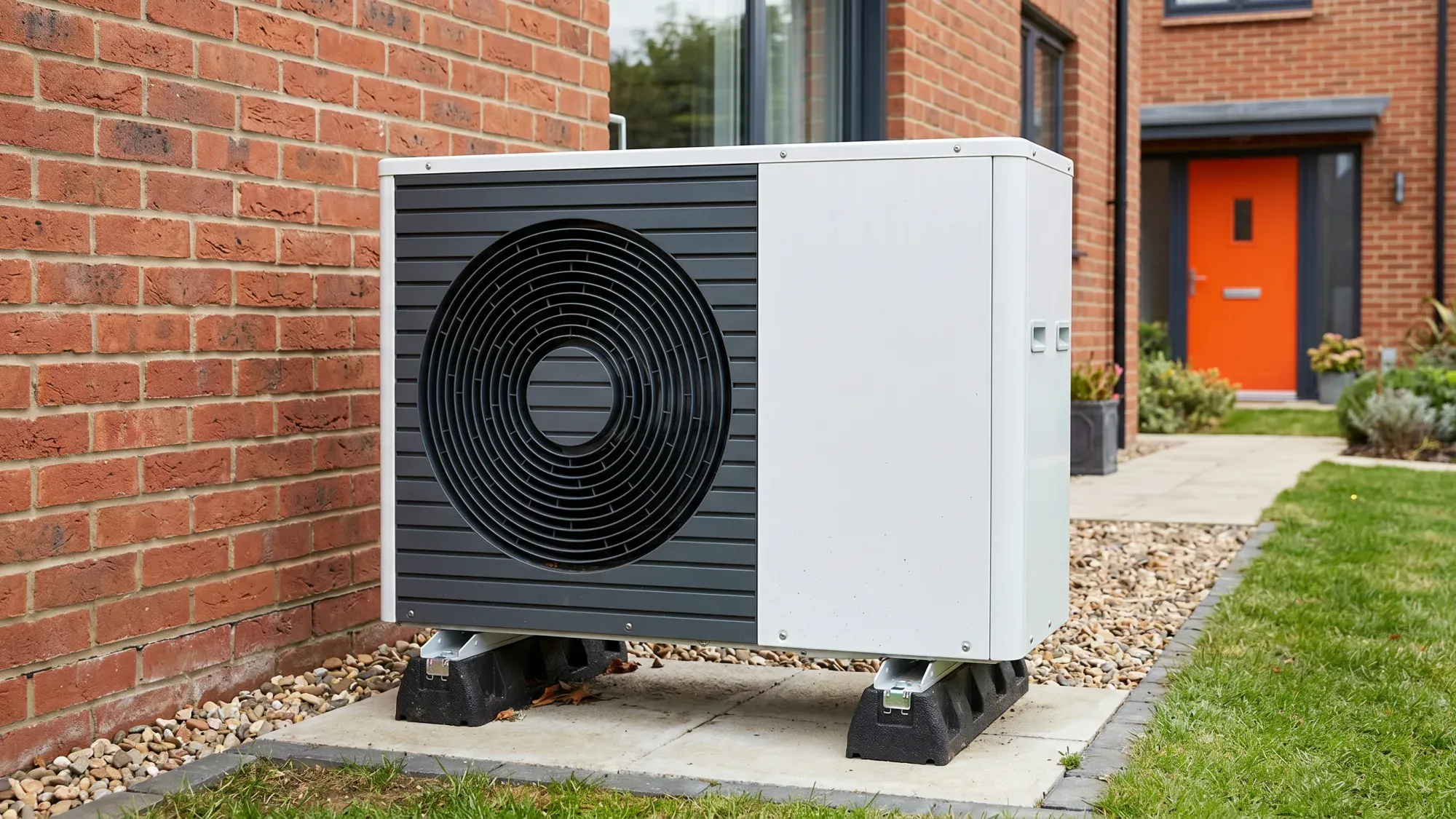
Heat pumps represent a significant upfront investment for UK homeowners, but they offer substantial long-term savings and environmental benefits. Understanding the total financial outlay, including installation, running, and maintenance, is crucial for assessing a heat pump's long-term value and feasibility for your property. This guide breaks down the expenses and highlights how smart energy management can optimise savings.
Understanding heat pump costs in the UK
Heat pumps are a system that transfers heat from one place to another. In the context of home heating, they extract heat from an external source - like the air or ground - and transfer it into your home to provide heating and hot water. Unlike traditional boilers that generate heat by burning fuel, heat pumps simply move existing heat, making them highly efficient.
Heat pumps are a compelling choice for UK homes due to their high efficiency and environmental benefits. They can be 3 to 5 times more efficient than traditional boilers, producing 3 to 5 units of heat for every 1 unit of electricity consumed. This efficiency translates into lower carbon emissions and, crucially, reduced energy bills over the long term. With increasing pressure to decarbonise home heating, heat pumps offer a sustainable alternative to gas and oil boilers.
The initial purchase price of a heat pump unit is only one part of the total investment. Homeowners often underestimate the total installation cost by focusing solely on the unit price and neglecting associated works, such as upgrading radiators, installing a new hot water cylinder, or improving insulation. The overall investment also includes ongoing running costs, primarily influenced by electricity prices, the heat pump's efficiency, and the overall thermal performance of the home, as well as essential maintenance.
Heat pump installation costs: air source vs ground source
The cost of installing a heat pump varies considerably based on the type of heat pump, the size of your property, your existing heating system, and your home's insulation levels.
Air source heat pump installation cost breakdown
Air source heat pumps (ASHPs) are generally the more common and less expensive option. Installation costs in the UK typically range from £7,000 to £15,000 before any grants are applied. This price usually includes the heat pump unit itself, installation labour, and necessary modifications to your existing heating system, such as new radiators or a hot water cylinder. The final cost will depend on the complexity of the installation and the specific requirements of your home.
Ground source heat pump installation cost breakdown
Ground source heat pumps (GSHPs) are more complex to install as they require extensive groundworks to lay pipework. Consequently, their installation costs are significantly higher, typically ranging from £18,000 to £50,000 in the UK before grants. While the upfront cost is higher, ground source systems often offer greater efficiency and a longer lifespan due to the stable temperature of the ground.
Key factors influencing installation prices
Several factors can influence the final installation price of a heat pump:
- Property size and type: Larger homes or those with poor insulation may require a more powerful, and thus more expensive, heat pump.
- Existing heating system: If your current radiators are not suitable for the lower flow temperatures of a heat pump, they may need to be upgraded, adding to the cost.
- Insulation levels: A well-insulated home will require a smaller, less expensive heat pump and will have lower running costs. Poor insulation can significantly increase both installation and running expenses.
- Hot water demand: Heat pumps can provide hot water, but a new, larger hot water cylinder may be needed to accommodate the system, especially for air source models.
- Installer choice: Quotes can vary between MCS-certified installers, so obtaining multiple detailed quotes is advisable.
Running and maintenance costs
Beyond the initial installation, homeowners must consider the ongoing running and maintenance costs of a heat pump to truly understand its long-term financial implications.
How much does a heat pump cost to run?
The running costs of a heat pump are primarily influenced by the price of electricity and the system's efficiency. Heat pumps are highly efficient, often achieving a Coefficient of Performance (CoP) of 3 to 4, meaning they produce 3 to 4 units of heat for every 1 unit of electricity consumed. The average UK home uses around 2,500 kWh of electricity per year (Ofgem's medium typical domestic consumption value)1. While electricity is generally more expensive per unit than gas, the high efficiency of a heat pump can offset this difference, leading to comparable or lower overall running costs.
Comparing running costs: heat pump vs traditional boiler
Comparing heat pump running costs to a traditional gas boiler depends heavily on current energy prices and the efficiency of both systems. A well-insulated home with an efficient heat pump can see running costs similar to, or even lower than, a gas boiler. However, homes with poor insulation or older, less efficient heat pumps may find their electricity bills higher if not managed effectively. It is crucial to consider the long-term trend of energy prices and the increasing efficiency of heat pump technology.
Essential maintenance and servicing costs for heat pumps
Heat pumps are generally reliable and require less frequent maintenance than traditional boilers. Annual servicing is recommended to ensure optimal performance and efficiency, typically costing between £100 and £200. This usually involves checking refrigerant levels, cleaning filters, and inspecting components. Regular maintenance helps to prolong the lifespan of the unit and prevent costly breakdowns.
Grants, incentives, and long-term savings
Government initiatives and financial support schemes play a crucial role in making heat pumps more accessible and affordable for UK homeowners.
The Boiler Upgrade Scheme (BUS): how it works
The Boiler Upgrade Scheme (BUS) is a government grant designed to help homeowners in England and Wales with the upfront costs of installing low carbon heating systems like heat pumps. The scheme offers a grant of £7,500 towards the cost of installing an air source or ground source heat pump. To qualify for BUS grants, the installation must be carried out by an MCS-certified installer. The MCS-certified installer applies for the grant on the homeowner's behalf, and the grant value is deducted from the installation quote. This grant significantly reduces the initial investment, making heat pumps a more viable option for many households.
Other potential grants and financial support
Beyond the BUS, other regional or local grants may be available depending on your location and circumstances. Some energy suppliers also offer incentives or financing options for heat pump installations. It's worth researching local council schemes and checking with your energy provider for any additional support that could further reduce your costs. Homeowners might also consider exploring options like solar panel grants to further reduce their energy bills.
Calculating your long-term savings and payback period
The long-term savings from a heat pump come from reduced energy bills due to its high efficiency. While the payback period can vary widely based on the initial installation cost, grant received, and your home's energy consumption, many homeowners find that the savings accumulate over time, making the initial investment worthwhile. Factors like rising carbon taxes on fossil fuels could further enhance the financial benefits of heat pumps in the future.
Maximising your heat pump's value with smart energy
A heat pump's true potential is unlocked when paired with smart energy management, allowing homeowners to optimise running costs and integrate their system into a broader home energy ecosystem.
Optimising running costs with smart tariffs and usage
Smart energy management is key to optimising your heat pump's running costs. By utilising smart tariffs, which offer cheaper electricity during off-peak hours, you can schedule your heat pump to run when energy is most affordable. This approach transforms energy consumption from a scarcity mindset to one of abundant, cheaper energy, empowering you to use more when supply is plentiful. Smart thermostats and controls can further fine-tune your heat pump's operation, ensuring it heats your home efficiently and only when needed. Many homeowners also benefit from a smart meter installation to track their usage more accurately.
Integrating your heat pump with your home energy system
Integrating your heat pump with other smart home energy solutions, such as smart meters, solar panels, and battery storage, creates a resilient and cost-effective home energy system. This holistic approach allows you to generate your own electricity, store it, and use it to power your heat pump, further reducing your reliance on grid electricity and lowering running costs. This integration aligns with rebuilding the energy system, making your heat pump a key component of a modern, efficient home.
Gaining control over your energy future: a power play
By combining a heat pump with smart energy management, you gain unprecedented control over your energy costs and consumption. This is a true 'power play' - shifting the balance of power into your hands. Transparent apps provide clear insights into energy usage, helping you monitor and optimise your heat pump's operation and manage running costs effectively. This control allows you to make informed decisions, protecting you from market volatility and empowering you to play with abundant, cheaper energy.
Is a heat pump a good investment for your UK home?
Deciding whether a heat pump is the right choice for your home involves weighing the upfront costs against the long-term benefits and understanding the necessary steps for installation.
Weighing the pros and cons of heat pump ownership
Heat pumps offer significant advantages, including lower carbon emissions, reduced long-term energy bills, and increased energy independence. However, they also come with a higher upfront cost compared to traditional boilers and require a well-insulated home to operate at peak efficiency. For many UK homeowners, the environmental benefits and potential for substantial long-term savings, especially with government grants, make them a compelling investment.
Next steps for homeowners considering a heat pump
If you're considering a heat pump, the first step is to evaluate your home's suitability, including its insulation and current heating infrastructure. Research all available government grants and financial support schemes to understand how they can offset the initial investment. Finally, obtain multiple detailed quotes from MCS-certified installers to get a complete cost breakdown tailored to your property.
Finding a certified installer and getting quotes
To ensure a high-quality and eligible installation for grants like the BUS, it is essential to choose an MCS-certified installer. These professionals can provide expert advice, conduct a thorough assessment of your home, and offer detailed quotes that outline all aspects of the installation. Comparing several quotes will help you find the best value and ensure you are making an informed decision for your home's future heating.
References
Disclaimer
For the avoidance of doubt, this article is provided for informational purposes only and is not intended to constitute legal or financial advice. The author and/or Fuse Energy shall not be responsible for any losses arising out of any reliance on the information contained herein.