Heat pump grants for UK homes
Switching to a heat pump can feel like a significant financial commitment, but government grants are available to make this clean energy upgrade more accessible. For homeowners across the UK, understanding these grants is a strategic move, transforming a complex process into a clear path towards a more energy-efficient and sustainable home. This guide demystifies the primary funding options, particularly the Boiler Upgrade Scheme, empowering you to take control of your home's energy future.
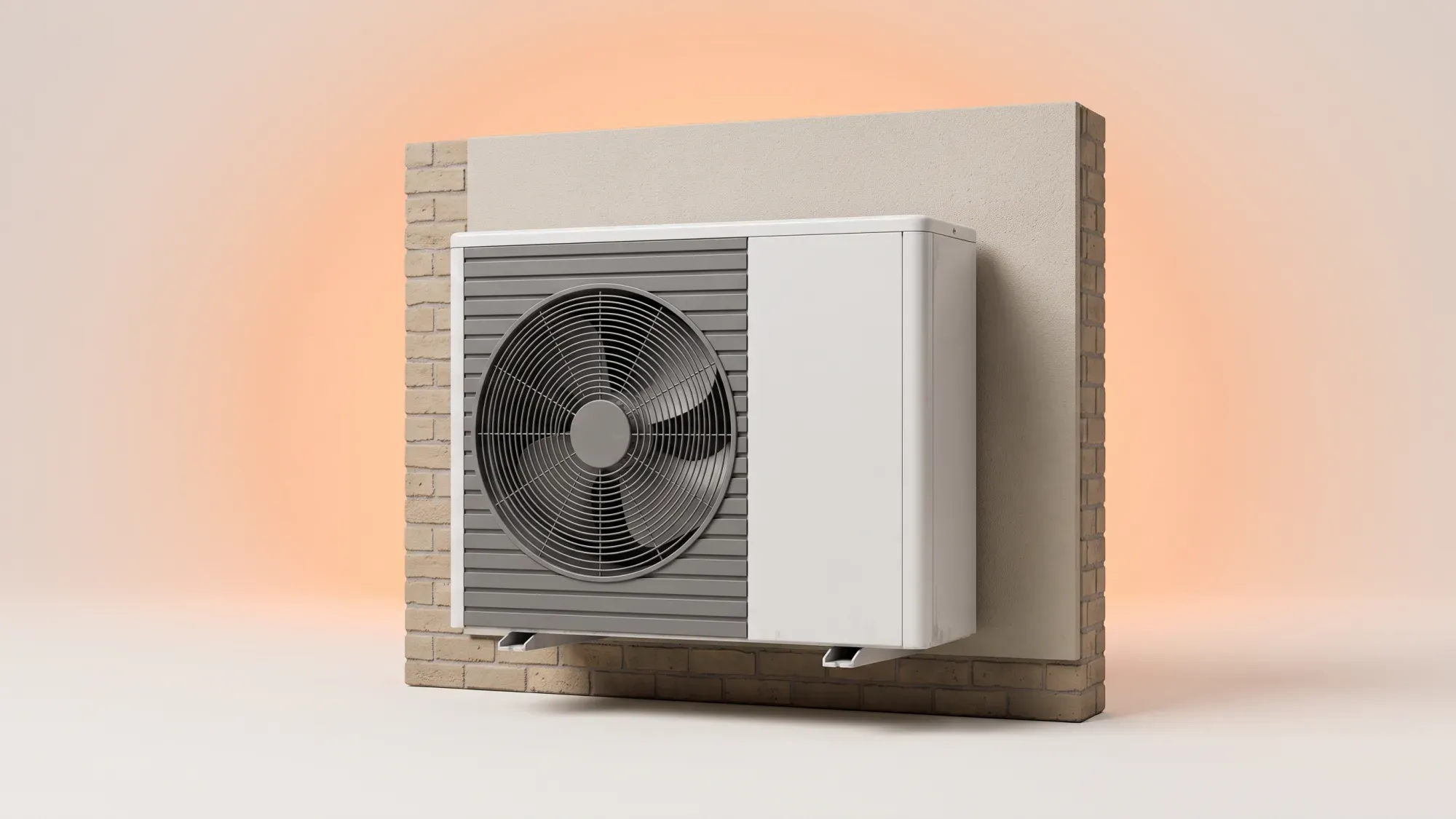
Heat pumps offer an efficient way to heat your home, drawing warmth from the air or ground and transferring it indoors. They typically produce more heat energy than the electrical energy they consume, leading to lower running costs compared to traditional fossil fuel boilers, especially when paired with smart energy tariffs. Beyond the financial savings, heat pumps contribute to a significant reduction in your home's carbon footprint, aligning with broader environmental goals.
Ready to explore how a heat pump could benefit your home? Fuse Energy can help you understand your options and provide a personalised quote for a Vaillant aroTHERM plus heat pump installation.
Understanding heat pump grants
Heat pump grants are designed to reduce the upfront cost of installing low-carbon heating systems, making them a viable option for more households. These schemes play a crucial role in the UK's journey towards decarbonising homes and achieving net-zero emissions.
The UK government is committed to transitioning away from fossil fuel heating. Grants like the Boiler Upgrade Scheme (BUS) are central to this strategy, providing financial incentives that help bridge the cost gap between conventional boilers and modern heat pump systems. By making these technologies more affordable, grants accelerate the adoption of clean heating solutions, moving the nation closer to its climate targets.
The Boiler Upgrade Scheme (BUS) explained
The BUS is the flagship government initiative aimed at encouraging homeowners in England and Wales to install low-carbon heating systems. Administered by Ofgem, it provides upfront capital grants to reduce the cost of installing technologies like heat pumps.1
What is the BUS?
The BUS is a UK government programme designed to help homeowners replace fossil fuel heating systems with cleaner, more efficient alternatives, primarily heat pumps. It supports the installation of air source, ground source, and, in some cases, biomass boilers. The scheme is part of the wider strategy to reduce domestic carbon emissions, which account for a significant portion of the UK's total.
Grant amounts: air source vs ground source heat pumps
The BUS offers substantial financial support. Homeowners can receive £7,500 towards the installation of an air source heat pump or a ground source heat pump in England and Wales. A grant of £2,500 is also available for air-to-air heat pumps.
How much is the standard BUS grant?
The standard BUS grant provides £7,500 towards the cost of installing an air source or ground source heat pump in eligible properties in England and Wales. This amount is deducted directly from your installer's invoice.
From 21 July 2026 until 31 March 2027, eligible off-gas grid properties in England and Wales that rely on heating oil or LPG can receive an increased grant of £9,000 for air source or ground source heat pumps.
How the BUS works: installer-led applications
The application process for the BUS is designed to be straightforward for homeowners. You do not apply for the grant directly; instead, your chosen Microgeneration Certification Scheme (MCS)-certified installer handles the entire application on your behalf. Once the grant voucher is approved by Ofgem, the amount is deducted from your total installation cost, meaning you only pay the reduced balance upfront. Ofgem will contact you to confirm your consent for the installer to act on your behalf.
Eligibility for heat pump grants
To qualify for the BUS, certain criteria must be met regarding your property and the installer you choose.
Property requirements and EPCs
To be eligible for the BUS, your property must be in England or Wales and have a valid Energy Performance Certificate (EPC) issued within the last 10 years. Crucially, if your EPC recommends loft or cavity wall insulation, these improvements must be completed before you can apply for the grant. New-build properties are generally not eligible unless you are building your own home.
Installer certification: why MCS matters
A non-negotiable requirement for the BUS is that your heat pump must be installed by an installer certified under the MCS. MCS certification ensures that installers meet high standards of quality and competence, and it is a prerequisite for applying for the BUS grant. Without an MCS-certified installer, your installation will not qualify for the funding.
Exclusions and special cases
The BUS is intended for properties replacing an existing fossil fuel heating system, such as a gas boiler, oil, or LPG system. You cannot get a grant for a hybrid heat pump system (for example, a combination of a gas boiler and a heat pump). The grant is also limited to one per property. Social housing and new-build developer homes typically do not qualify, as other schemes cover these.
Step-by-step: applying for your grant
Navigating the grant application process for a heat pump can seem daunting, but breaking it down into clear steps makes it manageable.
Finding an MCS-certified installer
The first and most critical step is to find an MCS-certified heat pump installer. These professionals are not only qualified to install your system to the required standards but are also the gateway to accessing the BUS grant. You can search for certified installers through the MCS website.
Getting quotes and understanding costs
Once you have identified potential installers, obtain several quotes for your heat pump installation. These quotes should detail the type of heat pump, the scope of work, and the total cost. Ensure the installer confirms your eligibility for the BUS and that the grant amount will be deducted from your final invoice. This transparency is key to understanding your out-of-pocket expenses.
The grant application process
Your chosen MCS-certified installer will submit the BUS voucher application to Ofgem on your behalf. You will need to provide consent for this application. Once approved, your new system can be installed. The installer will then redeem the grant voucher after the heat pump has been installed and commissioned, with the grant value directly reducing your bill.
Beyond the BUS: other funding options
While the BUS is the primary grant for heat pumps in England and Wales, other funding avenues exist across the UK, including regional schemes and financing options.
Regional grants and local authority schemes
Beyond the BUS, some local authorities and councils offer their own grants or interest-free loans to support energy efficiency upgrades, including heat pump installations. These schemes often target low-income households or specific areas with net-zero ambitions. It is worth checking with your local council to see what additional support might be available in your area. The Warm Homes Fund, for example, supports local authority and social housing schemes aimed at improving heating and energy efficiency for low-income households.
Heat pump grants in Scotland
Homeowners in Scotland have access to the Home Energy Scotland Grant and Loan scheme. This initiative offers a grant of up to £7,500 for clean heating systems, with an additional £7,500 available as an optional interest-free loan. For properties in rural or island locations, an extra £1,500 grant is available, potentially increasing the total grant funding to £9,000 for clean heating systems. The application process for this scheme is typically managed by contacting Home Energy Scotland directly.
The Energy Company Obligation (ECO4) scheme is another UK-wide initiative that can provide grant funding for low-income households, often covering insulation and, in some cases, heat pump installations. To qualify, your property typically needs an EPC rating of D, E, F or G, and someone in the household must receive a qualifying income-related benefit. The ECO4 scheme runs across England, Scotland and Wales, and closes on 31 December 2026.
Financing and loan options
Even with grants, the remaining cost of a heat pump installation can be substantial. Various financing options are available to help homeowners manage these expenses:
- Green mortgages: Some mortgage lenders offer specific "green" products or preferential rates for homes with energy-efficient improvements, including heat pumps.
- Personal loans: Unsecured personal loans can cover the remaining costs, though interest rates vary.
- Secured loans: Loans secured against your home can also be an option, often with longer repayment terms.
- "pay as you save" models: Emerging financing mechanisms, such as property-linked finance, allow homeowners to tie a loan to their property, with repayments transferred to a new buyer if the home is sold.
It is always advisable to consult a financial adviser to explore the best financing route for your circumstances.
Maximising your heat pump investment
Securing a grant is just one part of making your heat pump investment pay off. Strategic planning can maximise both immediate savings and long-term benefits.
Combining grants with energy savings
The BUS grant significantly reduces the upfront cost, but the true financial power play comes from combining this with ongoing energy savings. Heat pumps are highly efficient, meaning they can lower your energy bills, especially when replacing an older, inefficient boiler. Ensuring your home is well-insulated, even if not a strict grant requirement, will further enhance the heat pump's efficiency and maximise your savings. You might also consider a smart meter installation to track your energy usage more effectively.
Long-term benefits of heat pumps
Beyond the initial grant and reduced running costs, heat pumps offer several long-term advantages. They can increase your property's energy efficiency rating, potentially boosting its value. Furthermore, investing in a heat pump future-proofs your home against rising fossil fuel prices and contributes to a more stable, sustainable energy system. The 0% VAT rate on heat pumps, available until 31 March 2027, also helps reduce upfront costs. For more details on how these systems work, you can read our guide on what is an air source heat pump. It is a move that gives you greater control over your home's comfort and environmental impact.
The future of heat pump grants
The BUS is set to run until at least 31 December 2027. This commitment signals a sustained government push towards low-carbon heating. As the UK continues its decarbonisation efforts, it is likely that support for heat pump adoption will evolve, with potential for new schemes or adjustments to existing ones. Staying informed about policy developments will help homeowners make timely and effective decisions about their home energy upgrades.
References
- UK Government. Boiler Upgrade Scheme
Disclaimer
For the avoidance of doubt, this article is provided for informational purposes only and is not intended to constitute legal or financial advice. The author and/or Fuse Energy shall not be responsible for any losses arising out of any reliance on the information contained herein.