Generation meter: how to track solar PV output
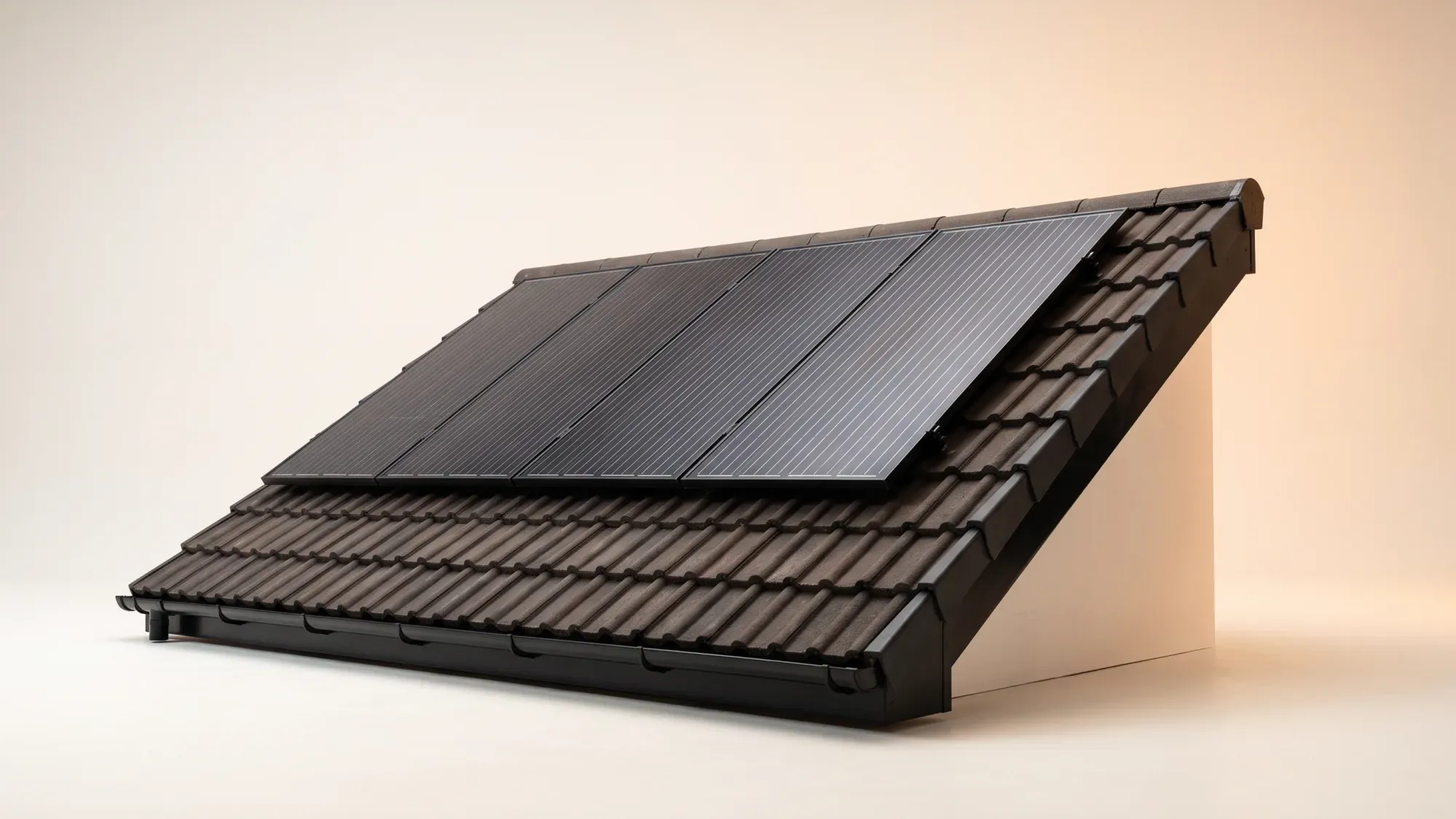
A generation meter measures the total electricity produced by your renewable energy system, such as solar PV panels, before any of that electricity is used in your home or sent back to the grid. For UK homeowners with solar panels, understanding this meter is crucial for monitoring your system's performance and claiming financial incentives like the Smart Export Guarantee (SEG). Without accurate readings, you could miss out on payments or struggle to track your progress towards energy independence.
Understanding your solar generation is key to making the most of your renewable energy investment. Fuse Energy helps you manage your home's energy with clear insights and support. Click here to switch to Fuse Energy today.
Enter your address to get a quote and see how much you could save
What is a generation meter?
A generation meter, sometimes called a solar generation meter or solar power generation meter, is a dedicated device that records the entire electrical output of your renewable energy system. Unlike other meters that track what you consume from the grid, this meter focuses solely on what your system creates.
Defining your renewable energy output
Your generation meter provides a direct measure of your renewable energy system's productivity. Every kilowatt-hour (kWh) displayed on this meter represents electricity generated by your solar panels or other microgeneration technology. This figure is independent of how much electricity you actually use in your home or export to the National Grid.
How a generation meter works
The generation meter is installed directly after your solar panels (or other renewable energy source) and before your home's main fuse board. As electricity flows from your panels, it passes through the generation meter, which continuously records the cumulative output in kilowatt-hours. This ensures that every unit of electricity produced is accounted for, whether it powers your appliances, charges a battery, or is exported.
Generation meter vs export meter: what's the difference?
It is common to confuse a generation meter with other meters in your property, but each serves a distinct purpose in managing your home's energy flow.
Understanding import and export
An import meter measures the electricity your home draws from the National Grid. This is the traditional meter that tracks your consumption, and it is what your energy supplier uses to calculate your main electricity bill.
An export meter, on the other hand, specifically measures any surplus electricity your renewable energy system sends back to the National Grid. This is the meter that determines how much you get paid under schemes like the SEG. While some modern smart meters can act as both import and export meters, a dedicated generation meter remains separate.
Why both meters are essential
Both a generation meter and an export meter are essential for homeowners with renewable energy systems. The generation meter confirms the total amount of energy your system has produced, which is vital for performance tracking and sometimes for specific incentives. The export meter, typically a smart meter, measures the exact amount of electricity you have sent back to the grid, enabling accurate payments for your contributions. Without a meter capable of recording exported electricity, you cannot qualify for SEG payments.
Why your generation meter matters for UK homeowners
Your generation meter is more than just a piece of equipment; it is a key tool for understanding and optimising your renewable energy investment.
Tracking system performance
Regularly checking your generation meter allows you to monitor the performance of your solar PV system. If readings are consistently lower than expected for the time of year, it could indicate an issue with your panels or inverter, prompting you to investigate. This proactive monitoring helps ensure your system is always working efficiently.
Unlocking Smart Export Guarantee (SEG) payments
The SEG mandates that licensed electricity suppliers pay customers for the renewable electricity they export to the grid. To qualify for SEG payments, you must have an MCS-certified installation and a meter capable of recording exported electricity, typically a smart meter. While the SEG tariff rates vary between suppliers, they must always be above zero. Your generation meter readings, alongside your export meter data, help confirm your system's output and eligibility for these payments.
What is the SEG?
The SEG is a UK government scheme requiring licensed electricity suppliers with at least 150,000 domestic customers to pay homeowners for surplus renewable electricity exported to the National Grid. It replaced the Feed-in Tariff (FiT) for new applicants in 2020 and aims to encourage more clean energy generation.
If you do not have an export Meter Point Administration Number (MPAN), Fuse can help generate one for you by forwarding your Distribution Network Operator (DNO) connection approval (G98/G99 paperwork) and an MCS certificate to the DNO. However, Fuse cannot energise an export MPAN it generates; you would need to switch to another supplier for export first, then switch to Fuse for your existing export MPAN.
Empowering energy independence
Understanding your generation meter empowers you to take control of your energy. By knowing how much electricity your system produces, you can make informed decisions about your energy consumption, potentially shifting high-usage activities to times when your panels are generating the most power. This knowledge helps you maximise your self-consumption and reduce reliance on grid electricity, moving you closer to energy independence.
Domestic solar PV systems in the UK typically range from 1 kW to around 6 kW in size. A 4 kW solar PV system in the UK can generate approximately 3,350 to 4,200 kWh of electricity per year. This is often close to the average UK home's annual electricity usage of around 2,500 kWh.
How to read your generation meter
Reading your generation meter is usually a straightforward process, though it can vary slightly depending on the model.
Identifying common meter types
Generation meters come in various forms, but most are digital displays. They are typically installed near your inverter or consumer unit. Look for a meter specifically labelled Generation Meter or one with a display that only shows a single, continuously increasing kWh reading, distinct from your import/export meters.
Step-by-step reading instructions
- Locate your meter: Find the meter connected to your solar PV system. It will often be a small box, usually white or grey, with a digital screen.
- Note the reading: The display will show a series of numbers, usually followed by "kWh". This is your cumulative generation reading.
- Record the number: Write down the full number, including any digits after a decimal point if present.
- Date your reading: Always record the date and time you took the reading. This allows you to calculate your generation over a specific period.
Interpreting your generation data
The reading on your generation meter represents the total electricity your system has produced since it was installed. To understand your daily, weekly, or monthly generation, simply subtract your previous reading from your current one. Regularly tracking this data helps you spot trends, identify periods of high or low output, and compare your system's performance against expectations.
Maximising benefits with your generation meter
Once you understand your generation meter, you can use this knowledge to get the most out of your renewable energy system.
Monitoring for optimal performance
Consistent monitoring of your generation data allows you to quickly identify if your system is underperforming. A sudden drop in generation could indicate a fault, shading issues, or a need for maintenance. Addressing these issues promptly ensures your system operates at peak efficiency, maximising your energy output and potential savings.
Accurate reporting for SEG
Accurate generation meter readings are fundamental for ensuring you receive correct payments under the SEG. While SEG payments are based on exported electricity, understanding your total generation helps you verify that your system is producing as expected and that your export figures are consistent. This vigilance helps ensure you do not miss out on any financial benefits.
Integrating with smart home energy systems
Integrating with smart home energy systems and apps can help you easily monitor your energy data, including electricity usage and export. By integrating your renewable energy system with such platforms, you gain intuitive control and clear insights into your energy production and consumption, empowering you to make smarter choices and maximise your financial returns.
Managing your home's energy should be clear and easy. Fuse Energy focuses on straightforward pricing, so you can see exactly what you are paying without unnecessary complexity. If you have a smart meter, you can view detailed usage data through the app or website, helping you understand how you can lower your bills. Our 24/7 human support team is always on hand with fast response times whenever you need help. Click here to switch to Fuse Energy today. Find out about our mission by clicking here.
Disclaimer
For the avoidance of doubt, this article is provided for informational purposes only and is not intended to constitute legal or financial advice. The author and/or Fuse Energy shall not be responsible for any losses arising out of any reliance on the information contained herein.