Air conditioning installation cost explained
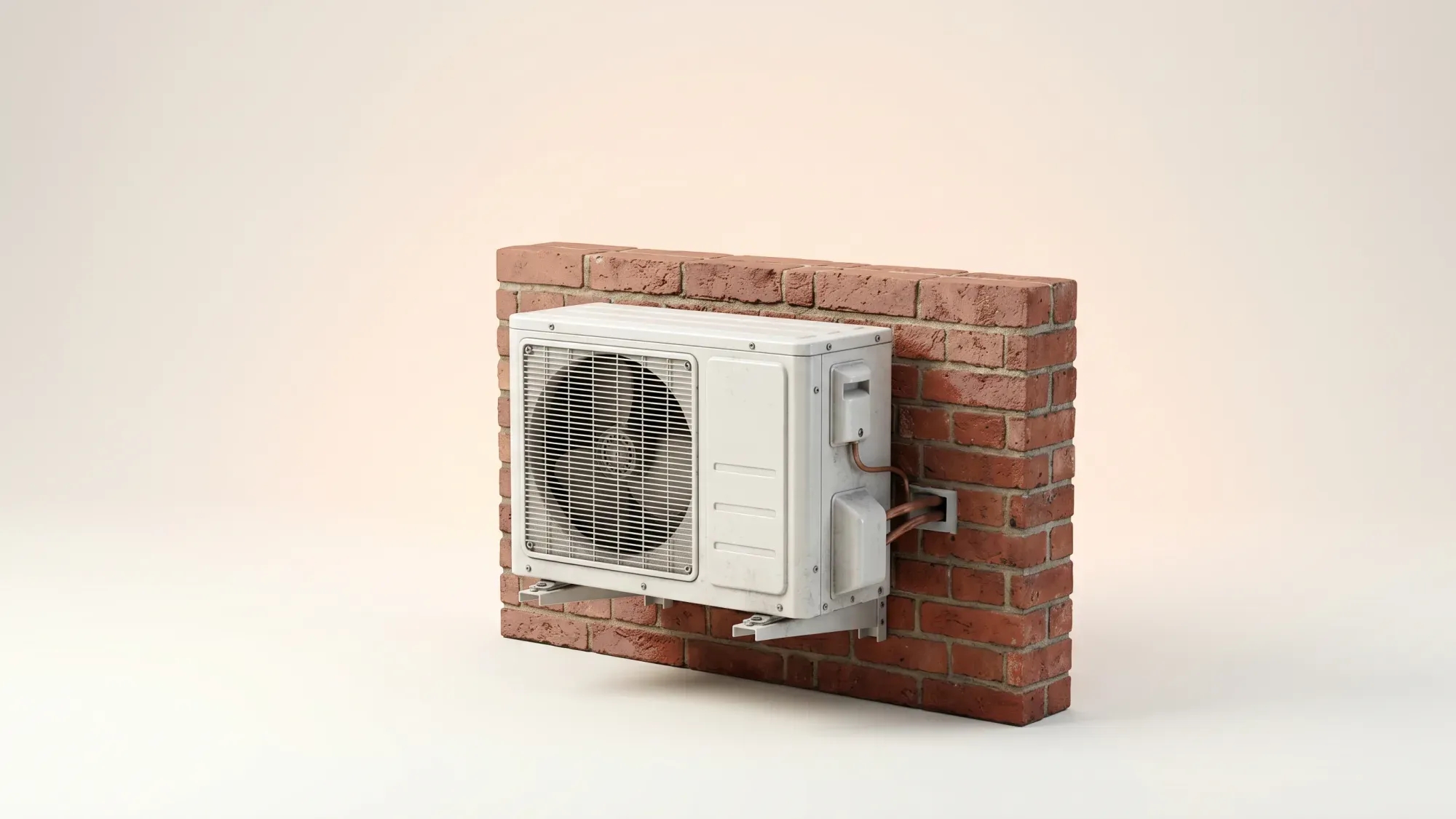
Installing air conditioning in your UK home is a strategic upgrade that enhances comfort while intelligently optimising energy use for a future of abundance. Modern systems offer both cooling and heating, providing year-round climate control and improving indoor air quality. Understanding the process, costs, and regulatory requirements is key to making an informed decision and ensuring a professional installation.
Considering an air conditioning system for your home? While Fuse Energy does not install AC units, we are committed to helping you manage your home's energy efficiently. Our smart tariffs and in-app usage data can help you understand and control your electricity consumption, whether you're cooling or heating your home. Click here to switch to Fuse Energy today.
Enter your address to get a quote and see how much you could save
Why consider home air conditioning in the UK?
The UK's climate is changing, leading to warmer summers and a growing demand for comfortable indoor environments. Modern air conditioning systems go beyond simple cooling, offering a range of benefits that contribute to a more enjoyable and energy-efficient home.
Enhanced comfort and well-being
Domestic air conditioning provides precise temperature control, ensuring your home remains a comfortable sanctuary regardless of the weather outside. This is particularly beneficial during heatwaves, improving sleep quality and overall well-being.
Improved air quality
Many modern AC units feature advanced filtration systems that can remove pollutants, allergens, and dust from the air. This leads to a healthier indoor environment, which can be especially advantageous for those with allergies or respiratory sensitivities.
Increased property value
A professionally installed air conditioning system can be an attractive feature for potential buyers, potentially increasing your property's market value. It signifies a modern, comfortable, and well-equipped home.
Year-round climate control
Unlike older models that only cooled, contemporary air conditioning systems often function as air source heat pumps, providing efficient heating during colder months. This dual capability makes them a versatile solution for maintaining optimal indoor temperatures throughout the year.
Understanding air conditioning installation costs
The cost of installing air conditioning in your home can vary significantly. Focusing solely on the cheapest upfront price can be a pitfall; consider the long-term value and energy efficiency of the system.
Factors influencing price
Several elements contribute to the overall cost of air conditioning installation. These include the type of AC unit chosen, its size and cooling/heating capacity (often measured in BTU), the number of rooms requiring air conditioning, and the complexity of the installation itself. Factors like pipework length, electrical upgrades, and ease of access for installers can also impact the final price.
Average cost ranges
The cost of domestic air conditioning installation in the UK varies widely depending on the system type and scope. For a single room, a split system installation might cost between £800 and £2,500, while multi-split systems for two to three rooms can range from £2,800 to £7,000. Whole-home ducted systems, which involve more extensive work, can start from £5,000 and go upwards of £15,000 for larger properties.
How much does it cost to install air conditioning in one room?
For a typical UK bedroom or home office, the installation of a single-split air conditioning system, including the unit and professional fitting, usually costs between £1,500 and £3,000. This price can vary based on the room size, the length of pipework required, and any necessary electrical work.
Long-term value versus upfront expense
While the initial installation cost is a significant consideration, it is crucial to evaluate the long-term value. Modern air conditioning units, particularly heat pump models, are highly energy-efficient. They can achieve efficiencies of up to 400%, meaning they can produce four times more heating or cooling energy than the electricity they consume. This efficiency can lead to substantial long-term savings on energy bills, offsetting the initial investment.
Types of domestic air conditioning systems
Choosing the right air conditioning system for your home depends on your specific needs, property layout, and budget.
Split systems (wall-mounted)
These are the most common type of domestic air conditioning. A split system consists of one indoor unit, typically mounted high on a wall, connected to an outdoor condenser unit. They are ideal for cooling or heating a single room or open-plan area.
Multi-split systems
Multi-split systems use a single outdoor unit to power multiple indoor units in different rooms. This offers individual temperature control for each zone, making them a cost-effective way to air condition several spaces without needing multiple outdoor condensers.
Ducted systems
Ducted air conditioning provides whole-home climate control through a network of ducts hidden within walls or ceilings. Air is distributed via discreet vents, offering an aesthetically pleasing solution. These systems are more complex to install and generally suited for new builds or major renovations.
Portable and window units
Portable and window units are self-contained systems that offer a more affordable and flexible solution for single rooms. However, they are generally less efficient, can be noisy, and window units may obstruct part of a window.
The air conditioning installation process
Professional installation is vital for optimal performance, energy efficiency, safety, and maintaining product warranties. The process typically involves several key stages.
Initial consultation and site survey
A qualified installer will first assess your home's specific requirements, considering factors like room size, insulation, sun exposure, and your desired comfort levels. They will recommend suitable system types and provide a detailed quote.
Unit placement and pipework
Once the system is chosen, the installer will determine the optimal locations for the indoor and outdoor units. This involves drilling holes for refrigerant pipes and electrical cables, which connect the units. The pipework is then carefully run and concealed where possible.
Electrical work and commissioning
All electrical connections must be safely installed and tested. Crucially, proper installation of air conditioning systems containing fluorinated greenhouse gases (F-gases) must be carried out by F-Gas certified engineers to comply with UK environmental regulations. After installation, the system is commissioned, meaning it is filled with refrigerant, tested for leaks, and checked to ensure it operates correctly and efficiently.
Testing and handover
The installer will test the system's various modes (cooling, heating, fan) and ensure all functions are working as expected. They will then provide a thorough handover, explaining how to operate your new system, its features, and basic maintenance requirements.
Choosing a qualified air conditioning installer
Selecting the right installer is as important as choosing the right unit. A reputable professional ensures a safe, efficient, and compliant installation.
F-Gas certification and accreditations
It is a legal requirement for engineers working with F-gases in the UK to be F-Gas certified. Always ask for proof of both individual engineer certification, such as City & Guilds 2079, and company F-Gas registration. This ensures they adhere to strict environmental regulations and best practices for handling refrigerants.
Obtaining and comparing quotes
Gather multiple detailed quotes from different F-Gas certified and reputable installers. Compare not just the overall price, but also the unit specifications, what is included in the installation (e.g., pipework, electrical work, warranty), and the estimated completion time. Be wary of unusually low quotes, which might indicate hidden costs or a lack of proper certification.
Warranties and aftercare
A reliable installer will offer warranties on both the equipment and their workmanship. Discuss aftercare services, including maintenance plans and emergency support, to ensure your system remains in top condition for years to come.
Maximising efficiency and longevity
Once your air conditioning system is installed, there are several ways to ensure it operates at peak efficiency and has a long lifespan.
Smart control integration
Integrating your air conditioning with a smart home energy system gives you greater control over your comfort and energy usage. Smart thermostats and apps allow you to schedule cooling and heating, monitor energy consumption, and even adjust settings remotely. This aligns with a future where energy is abundant and intelligently managed, making your home energy-intelligent.
Regular maintenance
Like any appliance, air conditioning units benefit from regular maintenance. This includes cleaning or replacing filters, checking refrigerant levels, and inspecting components for wear and tear. Regular servicing by a qualified technician can prevent breakdowns, maintain efficiency, and extend the life of your system.
Energy-saving tips
Even with an efficient system, small habits can make a difference. Keep windows and doors closed when the AC is running, use curtains or blinds to block direct sunlight, and set your thermostat to a comfortable yet energy-conscious temperature. Remember, the average UK home uses around 2,500 kWh of electricity per year, so every saving contributes to a more efficient household.
Managing your home's energy, especially with a new air conditioning system, is easier with the right tools. Fuse Energy offers clear pricing and in-app usage data to help you understand and control your energy consumption. Our 24/7 human support team is always on hand to assist you. Switching to Fuse Energy is quick and simple, helping you take control of your energy bills. Click here to switch to Fuse Energy today. You can also learn more about our mission to make energy abundant and affordable by clicking here.
Disclaimer
For the avoidance of doubt, this article is provided for informational purposes only and is not intended to constitute legal or financial advice. The author and/or Fuse Energy shall not be responsible for any losses arising out of any reliance on the information contained herein.