EV charger installation in Winchester explained
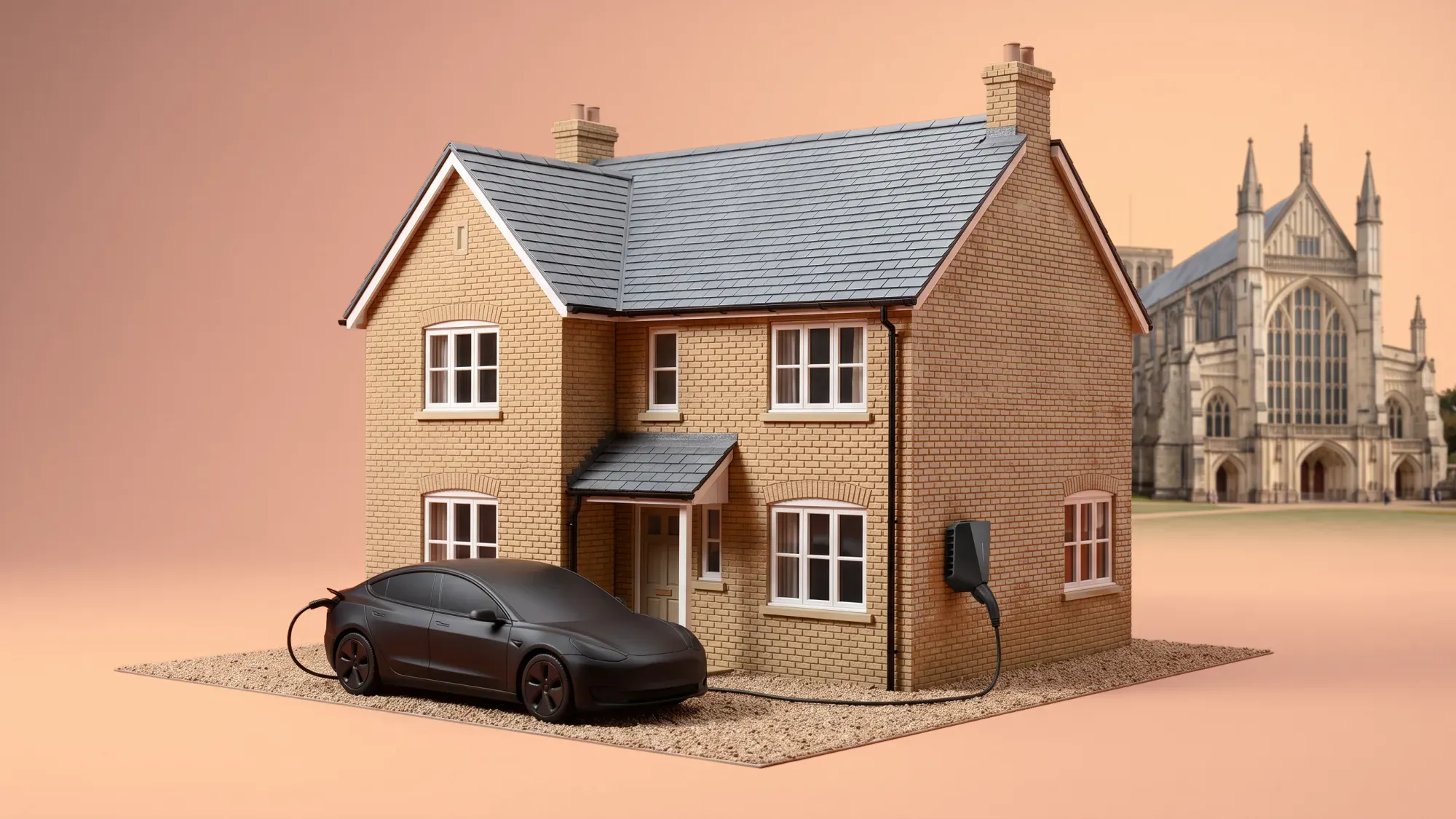
Installing an electric vehicle (EV) charger at home in Winchester involves navigating local energy infrastructure and regulations. This guide outlines the essential steps, from initial assessment to understanding grants and selecting a suitable installer.
Home EV charging in Winchester: a local perspective
Winchester, with its rich history and blend of urban and rural landscapes, presents unique considerations for electric vehicle (EV) owners looking to install a home charger. From historic properties in the city centre to modern developments and homes in the surrounding countryside, understanding the local energy infrastructure and regulations is key to a smooth installation.
Why install a home EV charger?
Installing a home EV charger offers unparalleled convenience, allowing you to power up your vehicle overnight and start each day with a full battery. It removes the reliance on public charging networks, often saving you time and money. For many Winchester residents, a Home EV charger integrates seamlessly into daily life, making EV ownership more practical and enjoyable.
Winchester's unique energy landscape
Winchester is located within the "Southern England" electricity distribution region, which influences the unit rates and standing charges set by Ofgem's price cap. This cap is updated quarterly, affecting how much you pay for electricity compared to other regions across Great Britain. The local Distribution Network Operator (DNO) for Winchester is Scottish and Southern Electricity Networks (SSEN). They are responsible for maintaining the local electricity grid and managing new connections. This local context is crucial, as any New EV charger installation will interact directly with SSEN's network.
Understanding the EV charger installation process
Installing a home EV charger involves several steps, from initial assessment to final certification, ensuring safety and compliance with local regulations.
Initial assessment and site survey
Before any installation, a qualified electrician will conduct a site survey of your home in Winchester. This assessment checks your property's electrical capacity, the suitability of your off-street parking for a charger, and identifies the best location for the unit. It is a critical step to ensure your home can safely support the new electrical load.
The role of Scottish and Southern electricity networks (SSEN)
As Winchester's DNO, SSEN plays a vital role in EV charger installations. They manage the local grid and need to be aware of any new connections that could impact network capacity. Your installer can advise on the necessary notifications to SSEN.
DNO notification explained
New EV charger installations in Winchester require notification to SSEN under the ENA connect-and-notify or apply-to-connect process. The specific process depends on the charger's power rating. For chargers up to 3.6kW, a connect-and-notify submission is usually sufficient, informing SSEN after installation. For larger chargers, such as 7.4kW units, an apply-to-connect application is often required before installation, as it involves a more significant connection to the grid. A qualified installer can guide you through this notification process with SSEN, ensuring your installation is compliant.
Grants and funding for your Winchester EV charger
Several government initiatives can help reduce the cost of installing an EV charger at home, making it more accessible for Winchester residents.
OZEV EV chargepoint Grant eligibility
The Office for Zero Emission Vehicles (OZEV) offers several grants1 that can help reduce the cost of installing an EV charger at home. For instance, the EV Chargepoint Grant for renters and flat owners provides up to £500 towards installation costs for eligible individuals with private off-street parking. Similarly, the EV Chargepoint Grant for households with on-street parking offers up to £500 for those installing a cross-pavement solution. It is important to note that customers must apply for these grants themselves via the GOV.UK website; installers do not handle the application process.
Who is eligible for OZEV EV chargepoint grants?
The EV Chargepoint Grant for renters and flat owners provides up to £500 for eligible individuals with private off-street parking. The EV Chargepoint Grant for households with on-street parking offers up to £500 for those installing a cross-pavement solution. Customers apply directly via GOV.UK.
On-street charging solutions
For Winchester residents without private off-street parking, the government supports the installation of public chargepoints in residential areas. The EV Chargepoint Grant for households with on-street parking provides up to £500 for those installing a cross-pavement solution, expanding charging infrastructure and offering alternative solutions.
Choosing the right EV charger and installer in Winchester
Selecting the appropriate EV charger and a reliable local installer is crucial for a safe and efficient home charging setup.
Types of home EV chargers
Home EV chargers typically come in two main types: tethered and untethered. Tethered chargers have a cable permanently attached, offering convenience but less flexibility if your vehicle's charging port changes. Untethered chargers require you to use your car's charging cable, providing more versatility. Both types are available as "smart" chargers, which offer additional features like scheduled charging and energy monitoring. Choosing the right home EV charger involves considering factors like power, features, and installation.
Key considerations for local installers
When choosing an installer in Winchester, prioritise those with a strong understanding of local regulations and experience working with SSEN. An installer familiar with the ENA connect-and-notify process and SSEN's requirements can prevent delays and ensure a compliant installation. Look for installers with positive local reviews and a track record of successful projects in the area.
Ensuring qualified and certified installation
All EV charger installations in the UK must comply with the IET Wiring Regulations (BS 7671) and be carried out by qualified, certified electricians. This ensures the safety and reliability of your charging point. Always ask for proof of qualifications and certifications to guarantee that your installation meets the highest standards.
Optimising your EV charging with Fuse Energy
Fuse Energy simplifies the complexities of home EV charger installation and helps you get the most out of your electric vehicle in Winchester.
Smart charging for cost savings in Southern England
Fuse's smart chargers empower Winchester residents to optimise charging times and costs. By taking advantage of smart charging technology, you can schedule your EV to charge during off-peak hours when electricity rates are typically lower, especially with time-of-use tariffs. This is particularly relevant in the "Southern England" price-cap region, where strategic charging can lead to significant savings on your energy bills. According to GOV.UK data, the average UK home uses around 2,500 kWh of electricity per year, so optimising your EV charging, which can add thousands of kWh to your annual consumption, is a smart move for your wallet.
Integrating with your home energy system
Fuse Energy aims to simplify the complex process of EV charger installation by integrating with broader home energy management. This comprehensive approach helps you future-proof your home in Winchester, giving you more control over your energy consumption and potentially reducing your reliance on the grid.
24/7 support for peace of mind
Throughout your EV charger installation and beyond, Fuse provides continuous 24/7 human customer support. This ensures you have peace of mind, knowing that expert help is always available should you have any questions or encounter any issues with your home EV charging setup in Winchester.
Next steps for your Winchester EV charger installation
Ready to make the switch to convenient home EV charging? Here is how to proceed.
Getting a quote
Start by contacting reputable EV charger installers in Winchester to obtain multiple quotes. Understanding how much an EV charger costs is a key part of the planning process. Ensure these quotes are comprehensive, detailing the cost of the charger, installation, and any associated electrical work or DNO notification fees. Do not forget to inquire about their experience with OZEV grants and the ENA connect-and-notify process with SSEN.
Preparing for installation
Once you have chosen an installer, they will guide you through any necessary preparations. This might include ensuring clear access to your fuse box and the installation site. With a reliable installer advising on DNO notifications and a smart charger from Fuse, you will be ready to enjoy the benefits of home EV charging in Winchester.
References
- UK Government. Electric vehicle chargepoint grants
Disclaimer
For the avoidance of doubt, this article is provided for informational purposes only and is not intended to constitute legal or financial advice. The author and/or Fuse Energy shall not be responsible for any losses arising out of any reliance on the information contained herein.