Choosing a home EV charger
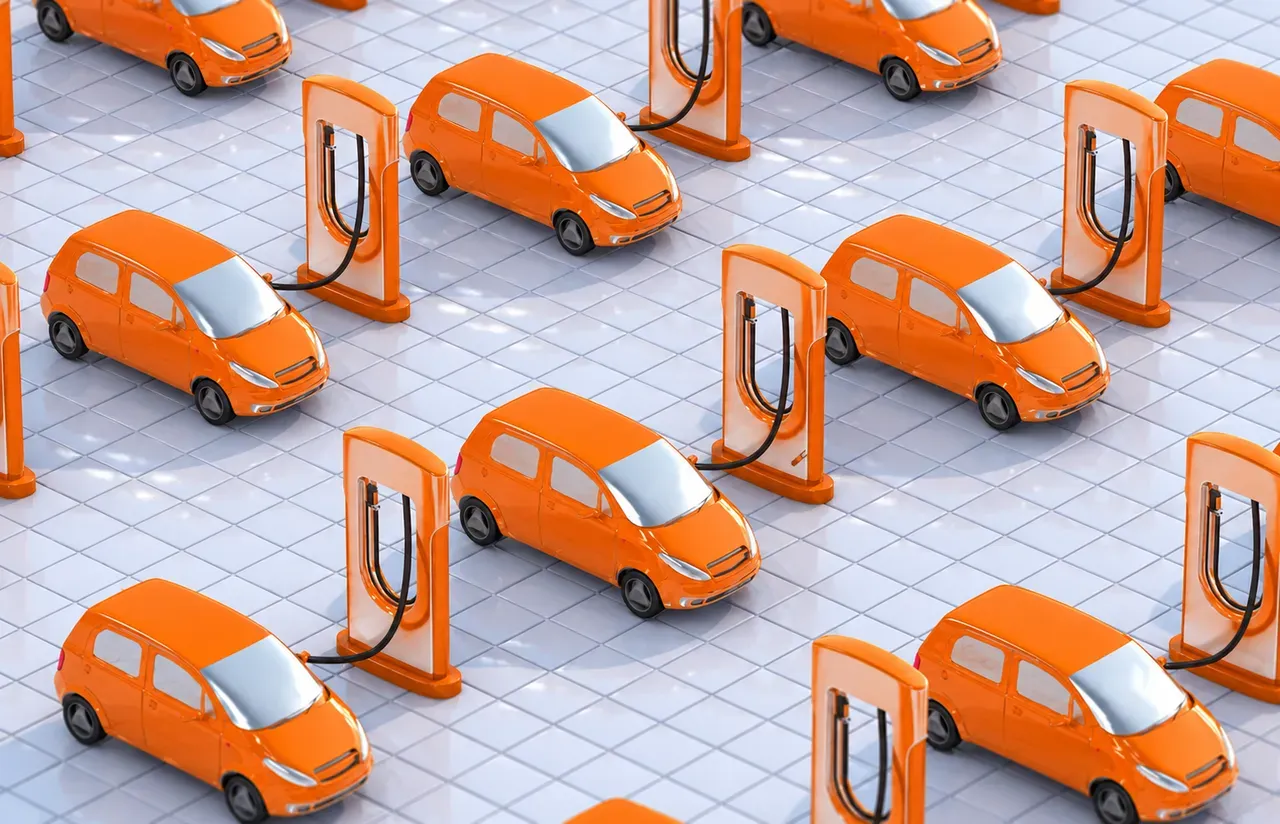
Selecting the right electric vehicle (EV) charger for your home is a significant decision that impacts convenience, cost, and overall energy management. This guide helps UK homeowners understand their options, ensuring an informed choice that aligns with their vehicle's needs, budget, and home energy setup. Fuse Energy frames the selection of an EV charger not just as a purchase of hardware, but as a "power play" that unlocks superior energy management and financial advantage within the home.
Why home EV charging is a smart move
Home EV charging offers unparalleled convenience, allowing you to top up your vehicle overnight, much like charging a mobile phone. This eliminates the need for frequent trips to public charging stations, saving time and effort. Beyond convenience, home charging, especially when paired with smart energy tariffs, presents a significant opportunity for cost savings compared to public charging options.
Unparalleled convenience and daily readiness
Waking up to a fully charged EV ready for the day's journeys is a major advantage of home charging. It removes the hassle of searching for available public chargers, waiting in queues, or adjusting your schedule around charging stops. For many UK drivers, a home charger can comfortably replenish their daily driving range overnight.
Significant cost savings potential
Smart EV chargers, when combined with smart energy tariffs, can significantly reduce your running costs. These tariffs often provide cheaper electricity rates during off-peak hours, typically overnight, allowing you to charge your EV when electricity is less expensive. This strategic charging can lead to substantial savings over time, making your EV even more economical to run.
Understanding EV charger types and power
Home EV chargers come in various types and power outputs, each suited to different needs and home electrical capacities. Understanding these differences is crucial for making an informed decision.
7kW chargers: a common choice
Most home electric vehicle (EV) chargers installed in the UK are 7 kilowatt (kW) units. A 7kW charger can typically add around 25 to 30 miles of range per hour to your EV. This speed is generally sufficient for overnight charging, allowing most EV owners to fully replenish their battery or add significant range during an off-peak window. They are compatible with standard single-phase electricity supplies found in most UK homes.
22kW chargers: faster charging, specific requirements
While 7kW chargers are common, 22kW chargers offer faster charging speeds. However, these require a three-phase electricity supply, which is not standard in most residential UK properties. Upgrading to a three-phase supply can be costly and complex, involving significant electrical work. Therefore, 22kW chargers are typically only a practical option for homes that already have a three-phase connection or for those with very high daily mileage needs where faster charging is essential.
Tethered versus untethered: which suits you?
The choice between a tethered and untethered charger often comes down to personal preference and convenience. Tethered chargers come with a cable permanently attached. This means the cable is always ready for use, eliminating the need to retrieve it from your car. Untethered chargers, on the other hand, require you to supply your own charging cable. This offers more flexibility if your EV uses a different connector type than a visitor's car, or if you prefer to keep the cable stored away. However, it means you will always need to connect and disconnect the cable yourself.
Key features to look for in a smart charger
Modern EV chargers are more than just power outlets; they are smart devices designed to integrate with your home energy system. Focusing on key features ensures you get the most out of your investment.
Smart charging capabilities and app control
A smart charger offers advanced functionalities beyond basic charging. These typically include the ability to schedule charging sessions, monitor energy consumption, and manage settings via a smartphone app. This level of control allows you to optimise charging times to take advantage of cheaper off-peak electricity rates or periods of high renewable energy generation.
What is a smart chargepoint?
A smart chargepoint is an EV charger that can send and receive data, allowing for remote control and monitoring. This enables features like scheduled charging, energy usage tracking, and integration with smart energy tariffs, helping to optimise charging costs and efficiency. All installed chargepoints under the OZEV grant schemes must meet specific government technical requirements.
Connectivity and integration with home energy
Look for chargers that can connect to your home's Wi-Fi network for seamless communication. This connectivity is vital for integrating with smart energy management systems, allowing your charger to work in harmony with other smart devices and energy sources like solar panels or home batteries. This holistic approach helps manage your overall home energy consumption and costs more effectively.
Safety features and build quality
Safety is paramount when installing an electrical appliance of this power. Ensure the charger you choose meets all relevant UK safety standards and certifications. Features like overcurrent protection, residual current detection, and robust weatherproofing are essential. A well-built charger from a reputable manufacturer will offer reliability and peace of mind for years to come.
Installation, costs, and grant eligibility
Understanding the installation process, potential costs, and available government grants is crucial for planning your home EV charging setup.
OZEV EV chargepoint grants explained
The UK government offers several EV chargepoint grants through the Office for Zero Emission Vehicles (OZEV). These grants help reduce the cost of installing a home EV charger.
The EV Chargepoint Grant for renters and flat owners provides up to £500 towards installing a chargepoint at the property. To be eligible, you must own and live in a flat, or rent any residential property, and have private off-street parking. Separately, the EV Chargepoint Grant for households with on-street parking also offers up to £500 for installing a cross-pavement solution if you only have on-street parking.
For all current domestic OZEV chargepoint grants, the customer applies for the grant themselves via the GOV.UK eligibility/application page; the OZEV-authorised installer's role begins only after the customer's application is approved. Checking your eligibility for these grants can significantly lower the upfront cost of your installation.
Understanding installation requirements and costs
The cost of installing a home EV charger varies depending on factors such as the charger model, your home's existing electrical infrastructure, and the complexity of the installation. A standard installation typically involves mounting the charger on an exterior wall, running a dedicated circuit from your consumer unit, and ensuring proper earthing. More complex installations, such as those requiring trenching for cable runs or upgrades to your main fuse, will incur higher costs. It is important to get a detailed quote from a certified installer.
Finding a certified installer
For safety and compliance, your EV charger must be installed by a qualified and certified electrician. In the UK, this typically means an installer registered with a body such as the Electrical Contractors' Association (ECA) or NICEIC, and approved by OZEV if you plan to claim a grant. A certified installer will ensure the installation meets all wiring regulations and safety standards, and can also advise on the best location for your chargepoint and any necessary electrical upgrades.
Optimising your charging with smart tariffs
The true power of a home EV charger is unlocked when it is integrated with smart energy management, allowing you to take control of your energy use and costs.
Leveraging off-peak rates for cheaper charging
Smart charging allows you to schedule your EV to charge during off-peak hours when electricity rates are typically lower. This can lead to significant savings on your energy bills. Electricity suppliers must provide clear information on tariffs, including time-of-use rates. While dedicated electric vehicle (EV) tariffs were previously available, many suppliers now focus on smart tariffs that offer cheaper electricity during off-peak hours, typically overnight. By understanding and utilising these tariffs, you can make your EV charging much more economical.
Compatibility with smart energy management systems
The best EV chargers offer compatibility with broader smart home energy management systems. This means your charger can communicate with your energy supplier and other smart devices in your home to intelligently manage power consumption. For instance, it can prioritise charging when renewable energy generation is high or when the grid is less strained, contributing to a more sustainable and efficient energy system.
The "power play" of intelligent charging
Selecting the right EV charger is a "power play" that puts you in control of your energy use and costs, especially when integrated with smart energy management. Fuse's app provides the capability to manage and optimise EV charging, allowing users to schedule charging during periods of abundant, cheaper energy. By optimising EV charging through such an ecosystem, customers can achieve significant cost savings, creating a 'surplus' in their energy budget. Fuse views the EV charger as a critical component of a modern, integrated home energy system, moving beyond the traditional view of it as a standalone appliance.
Making the right choice for your home
Choosing the ideal EV charger involves considering your current needs, anticipating future changes, and embracing smart energy solutions.
Matching your charger to your EV and lifestyle
Consider your EV's battery size, typical daily mileage, and how quickly you need to charge. A 7kW charger is suitable for many, but if you have a larger battery or frequently drive long distances, a 22kW might be appealing if your home's electrical supply supports it. Your lifestyle also plays a role: if you have a consistent overnight charging routine, a basic smart charger might suffice. If your schedule is unpredictable, a charger with advanced app control for on-the-fly adjustments will be more beneficial.
Future-proofing your home charging setup
While you might own one EV now, consider future vehicle upgrades. Chargers with universal compatibility (Type 2 connector is standard in the UK) and robust smart features will serve you well if you switch EVs in the future. Investing in a charger that can integrate with evolving home energy management systems will also ensure it remains a valuable asset as your home becomes smarter.
Taking control of your energy with smart solutions
The decision of which EV charger to buy is an opportunity to take greater control over your home's energy consumption. By choosing a smart charger that integrates with intelligent energy tariffs and management platforms, you are not just buying a device; you are investing in a system that empowers you to optimise costs, reduce your carbon footprint, and manage your energy with precision. This approach transforms EV charging from a necessity into a strategic advantage for your home energy ecosystem.
Disclaimer
For the avoidance of doubt, this article is provided for informational purposes only and is not intended to constitute legal or financial advice. The author and/or Fuse Energy shall not be responsible for any losses arising out of any reliance on the information contained herein.