West Wales EV charger installation
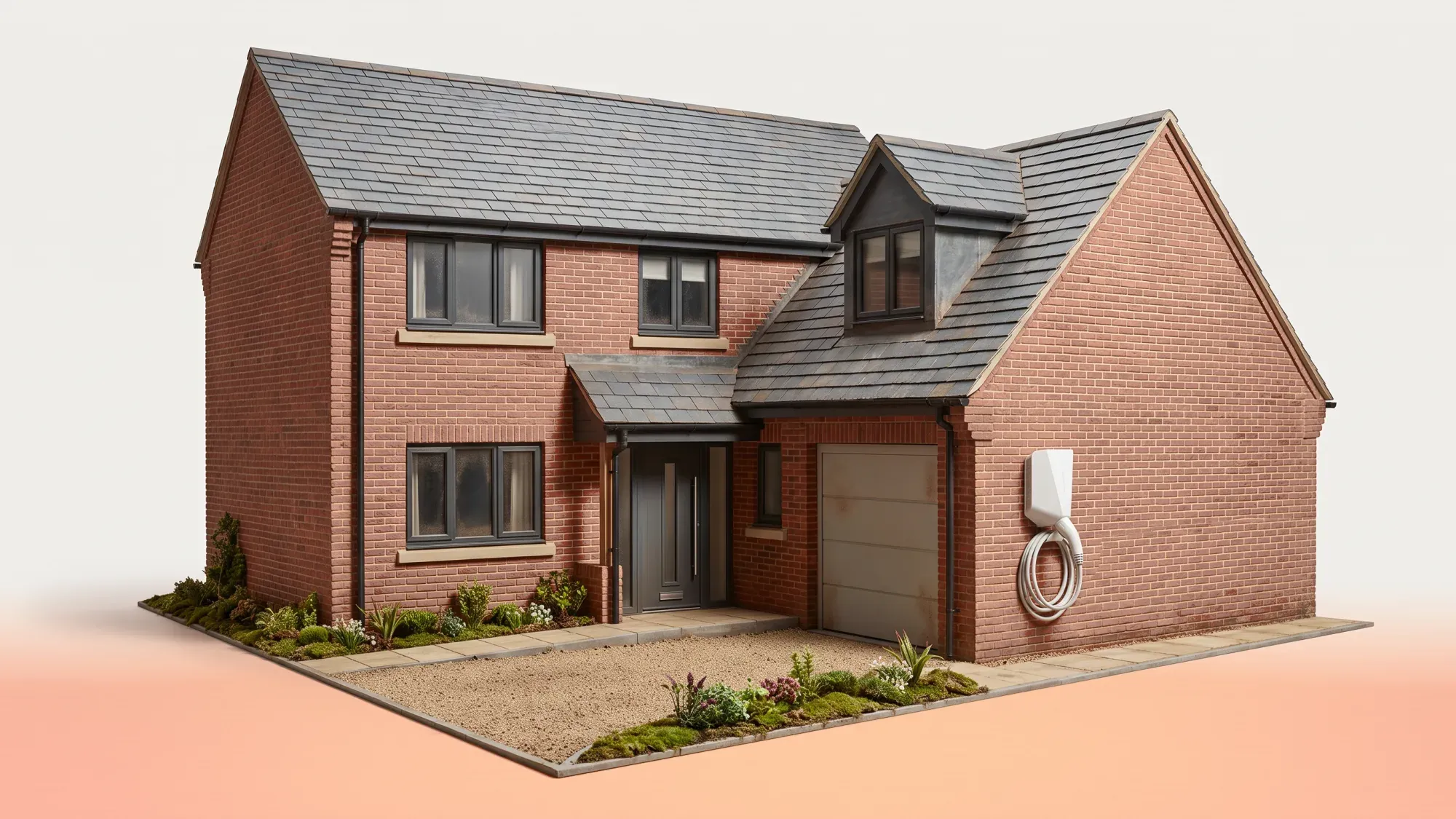
Installing an electric vehicle (EV) charger at home in West Wales offers convenience and can significantly reduce running costs, especially given the region's blend of rural communities, coastal towns, and historic properties. Whether you live in a traditional stone cottage in Carmarthenshire, a terraced house in Pembrokeshire, or a modern build in Ceredigion, understanding the local specifics of EV charger installation is crucial. This includes navigating the local electricity network, understanding regional pricing, and finding certified installers who know the area.
West Wales's unique EV charging landscape
West Wales, with its diverse geography from rugged coastlines to rolling hills, presents particular considerations for EV charger installation. Unlike more densely populated urban areas, properties here can range from remote farmhouses to seaside flats, each with unique electrical supply and access challenges.
Understanding your local electricity network
The local electricity grid in West Wales is managed by National Grid Electricity Distribution, your Distribution Network Operator (DNO). This is the company responsible for delivering electricity to your property and maintaining the local network. In the event of a power cut, residents in West Wales should dial the free national number 105, which will route them directly to National Grid Electricity Distribution.
Regional price cap considerations
Electricity prices in the UK are subject to a price cap set by Ofgem, which varies by region. West Wales falls within the "South Wales" electricity distribution region for this price cap. This means that the unit rates and daily standing charges for electricity in West Wales will differ from those in other parts of the UK, affecting the overall cost of charging your EV at home. The cap is updated quarterly, typically on 1 January, 1 April, 1 July, and 1 October.
Types of home EV chargers for West Wales properties
Choosing the right home EV charger depends on your vehicle, property, and charging habits. Modern chargers offer a range of features that can make charging more efficient and cost-effective.
Untethered vs tethered chargers
Home EV chargers generally come in two main types: untethered and tethered. An untethered charger requires you to use your car's charging cable, which you plug into the unit. This offers flexibility if you have multiple EVs with different cable types or if you prefer a tidier look when not charging. A tethered charger, on the other hand, has a cable permanently attached, meaning it's always ready to plug straight into your vehicle. This can be more convenient for daily use but means the cable type is fixed.
Smart charging capabilities
Smart EV chargers are designed to optimise charging times and integrate with broader home energy management systems. These chargers can often be controlled via a smartphone app, allowing you to schedule charging during off-peak hours when electricity rates are cheaper. This can lead to significant savings on your electricity bill. Some smart chargers can also integrate with solar panels or battery storage systems, further enhancing energy independence and cost efficiency.
Choosing the right power output
Most home EV chargers in the UK are typically either 3.6 kW or 7 kW. A 7 kW charger is often recommended for faster home charging, providing around 25-30 miles of range per hour of charging. A 3.6 kW charger is slower, adding about 12-15 miles of range per hour. Your choice may depend on your daily driving needs, the capacity of your home's electrical supply, and any future plans for EV ownership. For more details on selecting the right charger, you can explore our guide on how to pick the right home EV charger.
Navigating EV charger grants in West Wales
Several schemes are available to help reduce the cost of installing an EV charger, making the transition to electric driving more accessible for West Wales residents.
OZEV EV chargepoint grant eligibility
The UK government offers the EV Chargepoint Grant for renters and flat owners, which can cover up to £500 towards the cost of purchasing and installing a home EV charger1. This grant is specifically available for flat owner-occupiers and people living in rental accommodation who have private off-street parking. There is also the EV Chargepoint Grant for households with on-street parking, which provides up to £500 for those installing a cross-pavement solution. Eligibility criteria apply, so it's important to check if you qualify before committing to an installation.
Who is eligible for the OZEV EV chargepoint grant?
The EV Chargepoint Grant for renters and flat owners is available to flat owner-occupiers and people in rental accommodation across the UK who have private off-street parking. It covers up to £500 towards the cost of installing a home EV charger. The EV Chargepoint Grant for households with on-street parking also provides up to £500 for those installing a cross-pavement solution.
On-Street charging solutions for West Wales
For homes in West Wales without a driveway or off-street parking, on-street charging solutions are becoming increasingly important. The government's On-Street Residential Chargepoint Scheme supports local councils in installing residential chargepoints on public streets. This scheme can be particularly beneficial for residents in towns and villages across West Wales where traditional terraced housing is common and private parking is scarce. Contacting your local council can provide more information on planned or available on-street charging infrastructure in your area.
The home EV charger installation process
Installing a home EV charger installation process involves several key steps, from initial assessment to final testing, ensuring a safe and compliant setup.
Initial assessment and site survey
The first step is a thorough assessment of your property by a qualified installer. They will evaluate your home's electrical system, including your consumer unit (fuse box) and earthing arrangements, to ensure it can safely support an EV charger. This survey will also consider the best location for the chargepoint, taking into account cable routing and accessibility.
DNO notification and compliance
A critical part of the installation process in West Wales involves notifying National Grid Electricity Distribution, your local DNO. New home EV charger installations require notification under the ENA connect-and-notify process or apply-to-connect regulations, depending on the charger's power output. Your certified installer will typically handle this notification on your behalf, ensuring compliance with local grid requirements. All EV charger installations must also adhere to the latest IET Wiring Regulations (BS 7671) and be carried out by a qualified electrician. You can learn more about the process in our guide to EV charger installation.
Professional installation and testing
Once all assessments and notifications are complete, the installer will proceed with the physical installation of the chargepoint. This includes mounting the unit, running the necessary cabling, and making the electrical connections. After installation, the charger will be thoroughly tested to ensure it is functioning correctly and safely. The installer should then provide you with a demonstration of how to use your new charger and any associated smart features.
Costs and factors affecting installation in West Wales
The cost of installing an EV charger in West Wales can vary, influenced by several factors unique to the region and your property.
Typical installation costs
While specific costs can vary, the average cost for a standard home EV charger installation in the UK typically ranges from £800 to £1,200 before any grants are applied. This usually covers the charger unit itself and a straightforward installation. However, complex installations, such as those requiring significant trenching for cables or upgrades to your home's electrical supply, can incur additional costs. For a deeper dive into the financial aspects, read our article on how much is an EV charger.
Impact of property type and location
The type of property you own in West Wales can significantly impact installation costs. Older properties, common in many parts of the region, may require electrical system upgrades to safely accommodate an EV charger. Rural locations might also face higher costs due to longer cable runs or more complex grid connections. Access to your property and the distance from your consumer unit to the desired chargepoint location are also key factors.
Long-term running costs
The long-term running costs of your EV charger will primarily depend on your electricity tariff and how much you drive. With West Wales falling under the "South Wales" price cap region, your unit rates will be determined by this. Utilising smart charging features to charge during off-peak hours can substantially reduce these costs. For context, the average UK home uses around 2,500 kWh of electricity per year, so adding EV charging will increase your overall consumption.
Finding a certified EV charger installer in West Wales
Choosing the right local EV charger installer in West Wales is crucial for a safe, compliant, and efficient installation.
Key qualities of a reliable installer
A reliable installer should be certified by a recognised body and have specific experience with EV charger installations. They should be able to clearly explain the process, provide a detailed quote, and handle all necessary DNO notifications. Look for installers who offer good customer support and a warranty on their work.
Local accreditation and reviews
When searching for an installer in West Wales, prioritise those with local accreditation and positive reviews from other residents. Local installers often have a better understanding of the regional electrical infrastructure and any specific challenges that might arise in different property types across Carmarthenshire, Pembrokeshire, or Ceredigion. Checking online reviews and asking for references can help you gauge their reliability and quality of service.
Installing an EV charger is a key step towards gaining "power to play with" at home. Fuse Energy can install an Easee One EV charger at your property, simplifying the process and integrating this upgrade with other smart home energy solutions. We offer transparent information and connect customers to modern energy solutions, providing a modern, app-driven experience and 24/7 support to manage your home energy.
References
- UK Government. Electric vehicle chargepoint grants
Disclaimer
For the avoidance of doubt, this article is provided for informational purposes only and is not intended to constitute legal or financial advice. The author and/or Fuse Energy shall not be responsible for any losses arising out of any reliance on the information contained herein.