Home EV charger installation in the West Midlands
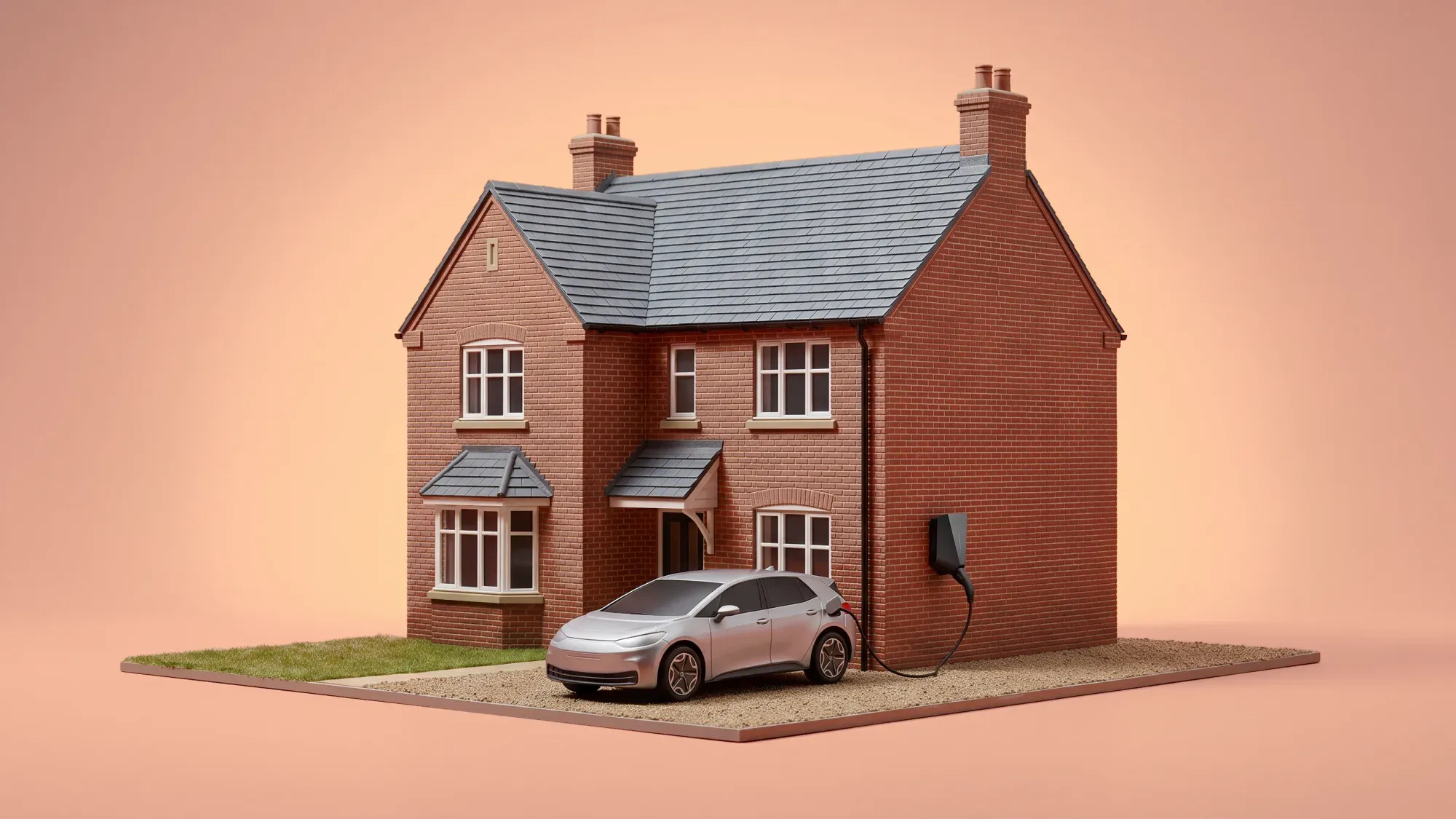
For homeowners across the West Midlands, installing an electric vehicle ([EV] charger)(https://www.fuseenergy.com/blog/ev-charger) at home is a practical step towards a greener, more convenient future. The region, with its mix of Victorian terraces, post-war estates, and modern developments, presents diverse considerations for home EV charging, but the benefits of having your own charging point are universal. This guide cuts through the jargon to offer clear, locally-relevant advice on everything from charger types and installation processes to grants and optimising your energy usage.
Why install an EV charger at home in the West Midlands?
Bringing EV charging home offers a suite of advantages that go beyond simply powering your vehicle. It integrates seamlessly into your daily life and can even enhance your property's appeal.
The convenience factor
Imagine waking up every morning to a fully charged EV, ready for your commute or weekend adventures, without needing to detour to a public charging station. Home charging eliminates "range anxiety" and the frustration of finding an available public charger, especially during peak times. It is as simple as plugging in your car when you arrive home, much like charging your phone overnight.
Cost savings over public charging
Charging your EV at home is typically far more cost-effective than relying on public rapid chargers, potentially saving you up to five times the cost. Many energy suppliers offer specific EV tariffs with cheaper electricity rates during off-peak hours, usually overnight. This allows you to power your vehicle when electricity is cheapest, significantly reducing your running costs.
Boosting your home's value
As electric vehicles become increasingly common, a home EV charger is becoming a desirable feature for potential buyers. Installing one can make your property more attractive in the competitive West Midlands housing market, signalling a modern, future-proof home.
Understanding EV charger types and smart features
Not all EV chargers are created equal. Knowing the differences between charger types and understanding smart features can help you choose the right fit for your home and driving habits.
Untethered vs tethered chargers
Home EV chargers typically come in two main forms:
- Tethered chargers: These have a cable permanently attached to the unit. This offers convenience as you do not need to retrieve your cable from the car boot every time you charge.
- Untethered chargers: These require you to use your car's charging cable. This provides flexibility if your EV uses a different connector type to another vehicle you might charge, or if you prefer to keep the unit looking tidier when not in use.
Most modern EVs in the UK use a Type 2 connector for alternating current (AC) charging, which is the standard for home and slower public charging.
Charging speeds explained
Home chargers primarily use AC power. The speed at which your EV charges depends on the charger's power output:
- 3kW (slow): Often referred to as a "granny charger," this uses a standard 3-pin domestic plug. It is the slowest method, taking well over 13 hours for a full charge, making it best suited for emergency backup rather than regular use.
- 7kW (fast): This is the most common and recommended home EV charger, adding around 25-30 miles of range per hour. It works with a typical single-phase domestic electricity supply and can fully charge most EVs overnight.
- 22kW (fast): While faster, 22kW chargers typically require a three-phase electricity supply, which most UK homes do not have. Upgrading to three-phase can be costly and is rarely necessary for residential use, as a 7kW charger usually suffices for overnight charging.
The power of smart charging
Since June 2022, all new home EV chargers sold in the UK must have smart charging capabilities. A smart charger connects to your home's Wi-Fi, allowing you to control, schedule, and monitor your charging sessions via a smartphone app.
What is smart EV charging?
Smart EV charging uses internet-connected chargers to optimise when and how your electric vehicle charges. It allows for automated scheduling, remote control, and real-time adjustments based on factors like electricity costs or grid demand. This technology helps save money by charging during off-peak hours and supports grid stability by managing energy consumption efficiently.
Key benefits include:
- Cost savings: Schedule charging during off-peak hours when electricity is cheaper, especially if you are on an EV-specific tariff.
- Convenience: Plug in your car and let the charger manage the process automatically, ensuring your vehicle is ready when you need it.
- grid stability: Smart chargers can adjust power delivery to reduce strain on the electricity grid during high-demand periods.
- Integration: Some smart chargers can integrate with solar panels, allowing you to power your EV using self-generated renewable energy.
Understanding how to pick the right home EV charger is crucial for maximising these benefits.
The EV charger installation process in the West Midlands
Installing an EV charger involves several steps, from initial assessment to final setup. Understanding this process ensures a smooth experience.
Initial assessment and site survey
A qualified installer will first conduct an assessment of your home. This involves checking your existing electrical system, including your consumer unit and earthing arrangements, to ensure it can safely accommodate the new charger. They will also assess the best location for the charge point, considering cable runs and accessibility.
Electrical requirements and upgrades
Most 7kW home chargers work with a standard single-phase electricity supply. However, if your home's electrical capacity is insufficient, or if you opt for a higher-power charger, upgrades to your consumer unit or even your main fuse might be necessary. These can add to the overall cost and complexity of the EV charger installation.
DNO notification: National Grid Electricity Distribution
For West Midlands residents, the local Distribution Network Operator (DNO) is National Grid Electricity Distribution. Any new home EV charger installation requires notification to them under the ENA connect-and-notify process. This ensures the safe integration of your charger into the local electricity network and prevents overloads.
For most standard 7kW single-phase chargers, your installer will typically submit a connect-and-notify submission after installation, provided your property's total demand does not exceed 60amps. For higher-power chargers or more complex setups, an apply-to-connect application might be needed, which requires DNO approval before installation can begin. Your chosen installer should handle this notification process on your behalf.
The installation day
On the day of installation, the electrician will mount the charger, run the necessary cabling, and connect it to your home's electricity supply. They will then test the unit, configure any smart features, and provide you with a demonstration of how to use it safely and efficiently. A standard installation usually takes 3-5 hours.
Costs, grants, and local considerations for West Midlands EV owners
Understanding the financial aspects, including potential grants and local energy pricing, is key to a cost-effective installation.
Average installation costs
The typical cost for a standard 7kW Home EV charger installation in the UK ranges from approximately £800 to £1,200. This usually includes the charger unit, standard fitting, and basic electrical checks by a qualified installer. More complex installations, requiring longer cable runs, groundworks, or consumer unit upgrades, can push costs higher, potentially £1,200 to £1,500+. For more details, you can explore articles on how much is an EV charger.
OZEV EV Chargepoint Grant eligibility
The UK government offers the EV Chargepoint Grant for renters and flat owners1, which can significantly reduce the upfront cost. This grant provides up to £500 towards the cost of purchasing and installing a home EV charger, and is available from 1 April 2026 until 31 March 2027.
To be eligible for the EV Chargepoint Grant for renters and flat owners, you must:
- Own and live in a flat (including shared ownership) or rent any residential property.
- Have private off-street parking.
- Own, lease, or have on order an eligible electric or plug-in hybrid vehicle.
- Not have previously claimed the grant under earlier schemes.
The customer must apply for the grant themselves via the GOV.UK eligibility/application page; the OZEV-authorised installer's role begins only after the customer's application is approved.
On-street charging: the LEVI scheme
For West Midlands residents without off-street parking, the government's Local Electric Vehicle Infrastructure (LEVI) scheme is a vital initiative. This scheme supports local councils, including those in the West Midlands, in installing on-street residential chargepoints in publicly accessible areas. The West Midlands Combined Authority (WMCA) has received £14.5 million in LEVI Capital Funding to expedite the deployment of EV charging infrastructure across the region, ensuring residents without driveways are not disadvantaged.
West Midlands energy price cap region
The West Midlands sits within its own 'West Midlands' electricity distribution region for Ofgem's price cap. This means that the unit rates and daily standing charges for electricity can vary for residents here compared to other regions in the UK. Understanding this local pricing context is important when evaluating the overall cost-effectiveness of home charging.
Choosing a qualified EV charger installer in the West Midlands
Selecting the right installer is crucial for a safe, compliant, and efficient EV charger installation.
OZEV authorisation and accreditations
Always choose an installer who is authorised by OZEV. This is a mandatory requirement for claiming the EV Chargepoint Grant. OZEV-authorised installers meet specific standards and are qualified to carry out the work safely and correctly. Look for additional accreditations such as NICEIC or MCS, which demonstrate adherence to high electrical safety and quality standards.
Local experience matters
An installer with strong local experience in the West Midlands will be familiar with the regional electrical infrastructure, planning considerations, and the specific requirements of National Grid Electricity Distribution. They can offer tailored advice and navigate any local nuances more effectively.
Getting multiple quotes
Obtain quotes from several qualified installers. This allows you to compare pricing, proposed solutions, and customer service. Do not focus solely on the cheapest option; consider the installer's reputation, warranty, and after-sales support.
Maximising your EV charging with Fuse Energy
Beyond the installation, optimising how you charge your EV can lead to significant long-term savings and a more efficient home energy system. Fuse Energy empowers West Midlands homeowners to make the most of their EV charging.
References
- UK Government. Electric vehicle Chargepoint grants
Disclaimer
For the avoidance of doubt, this article is provided for informational purposes only and is not intended to constitute legal or financial advice. The author and/or Fuse Energy shall not be responsible for any losses arising out of any reliance on the information contained herein.