EV charger installation in Southwark
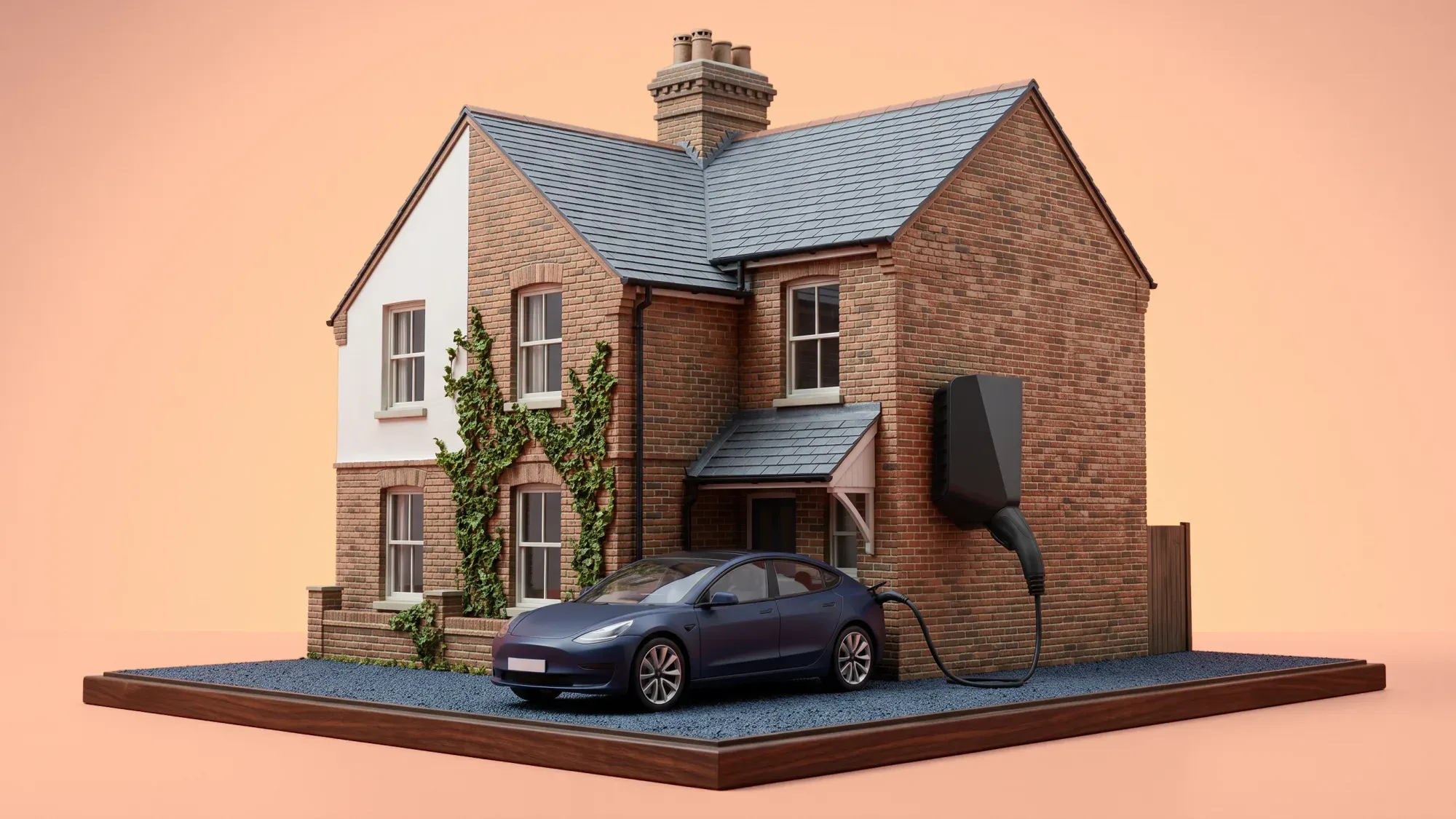
Southwark, with its distinctive mix of historic Victorian terraces and modern flats, presents unique considerations for home electric vehicle (EV) charger installation. Unlike areas dominated by detached houses with ample driveways, many residents here need to consider how their specific property type impacts feasibility, electrical supply, and even grant eligibility. This guide will walk you through the process, addressing the local specifics that matter for Southwark homeowners and renters.
Understanding EV charger installation in Southwark
Installing an electric vehicle (EV) charger at home offers unparalleled convenience, allowing you to charge your car overnight and wake up to a full battery. For Southwark residents, understanding the local context is key to a smooth EV charger installation.
Southwark's unique housing landscape
Southwark's diverse housing stock, ranging from multi-occupancy Victorian conversions to purpose-built flats and terraced houses, directly influences EV charger installation. Homes with off-street parking, such as driveways or garages, typically have a more straightforward installation process. However, for those in flats or terraced properties without dedicated parking, solutions might involve communal charging options or exploring on-street alternatives. The electrical capacity of older properties, common in areas like Southwark, also needs a professional assessment to ensure it can safely support a home charger.
The benefits of home EV charging
Having an EV charger at home means saying goodbye to public charging queues and fluctuating prices. You can take advantage of cheaper off-peak electricity tariffs, significantly reducing your running costs compared to petrol or diesel vehicles. It also adds value to your property and provides the ultimate convenience, integrating seamlessly into your daily routine.
Navigating local regulations and infrastructure
Understanding the local electricity network and regulatory requirements is a critical step for any EV charger installation in Southwark.
Southwark's electricity network: UK Power Networks
Southwark falls within the 'London' electricity distribution region for Ofgem's price cap, which means unit rates and daily standing charges are set accordingly for this area. The local Distribution Network Operator (DNO) for Southwark is UK Power Networks. They are responsible for maintaining the electricity cables and infrastructure that deliver power to your home. If you experience a power cut, Southwark residents should dial the free national number 105, which routes directly to UK Power Networks.
The DNO notification process
Any new home EV charger or solar/battery grid connection in Southwark requires notification to UK Power Networks (chargers via the ENA connect-and-notify route; solar or battery systems under G98/G99). This is a regulatory requirement designed to ensure grid stability and safety when new generation or demand (like EV chargers) is connected to the electricity network. Your chosen installer will typically submit this notification to UK Power Networks, either before or after your installation, depending on the charger's power rating.
What is the DNO notification process?
A new home EV charger is registered with your DNO under the ENA connect-and-notify process: for most installations the installer fits the charger first and notifies the DNO within 28 days, while higher-load installations need approval before work starts. The separate G98/G99 process covers connecting generation equipment, such as solar panels or home batteries, to the grid. It ensures the local DNO, UK Power Networks in Southwark, is aware of the connection to maintain grid stability and safety. Your installer usually manages this.
Grants and financial support for Southwark residents
Government grants can significantly reduce the cost of installing an EV charger, and Southwark residents have specific options to consider.
OZEV EV chargepoint grant for flats and rentals
The OZEV EV chargepoint grant1 is a UK government scheme designed to support the uptake of electric vehicles by subsidising home charging infrastructure. Crucially for Southwark's housing demographic, the EV Chargepoint Grant for renters and flat owners covers up to £500 towards a home charger for flat owner-occupiers and people in rental accommodation. Eligibility criteria apply, so it is worth checking if your property and circumstances qualify.
On-street charging solutions (LEVI scheme)
For Southwark residents without off-street parking, local councils can install on-street residential chargepoints through the government's on-street residential chargepoint scheme (LEVI). This initiative helps local authorities provide public charging solutions in residential areas where private home charging is not feasible. While not a direct grant for your home, it is a valuable consideration for those relying on public infrastructure near their homes.
Choosing the right EV charger and installer
Selecting the appropriate EV charger and a qualified installer are crucial steps for a safe and efficient installation.
Types of EV chargers for home use
Home EV chargers typically come in two main types: 'untethered' and 'tethered'. An untethered charger requires you to use your car's charging cable, offering flexibility if you own different EV models with varying cable types. A tethered charger has a cable permanently attached, providing convenience as you do not need to retrieve your car's cable each time you charge. Most home chargers are 'fast' chargers, typically around 7kW, which can fully charge an average EV overnight. Selecting the appropriate Home EV charger and a qualified installer are crucial steps for a safe and efficient installation.
Key qualities of a certified installer
Choosing a certified and experienced local installer is paramount. Look for installers who are approved by OZEV (if you plan to claim a grant) and possess relevant electrical certifications, such as NICEIC. An installer familiar with Southwark's specific housing challenges, like older electrical systems or limited space, will be better equipped to provide tailored advice and ensure a compliant installation. Always request references and check reviews to ensure their reliability and quality of work.
The home EV charger installation process
Once you have chosen your charger and installer, the process generally follows a clear sequence of steps.
Initial assessment and quotation
The first step involves a detailed site survey by your chosen installer. They will assess your home's electrical supply, parking arrangements, and the proposed location for the charger. This assessment helps determine the feasibility of the installation, identify any potential upgrades needed for your consumer unit, and confirm your eligibility for grants. Following this, you will receive a comprehensive quotation outlining how much an EV charger costs, including the charger, installation, and any necessary electrical work.
Installation day and post-installation checks
On the day of installation, certified electricians will carry out the work, ensuring all wiring and connections meet safety standards. This typically involves mounting the chargepoint, running a dedicated cable from your consumer unit, and connecting it to the mains supply. Once installed, the charger will be tested, and the installer will provide a demonstration of how to use it safely and efficiently. They will also submit the DNO notifications to UK Power Networks and provide you with all necessary documentation, including warranty information and electrical safety certificates.
References
- UK Government. Electric vehicle chargepoint grants
Disclaimer
For the avoidance of doubt, this article is provided for informational purposes only and is not intended to constitute legal or financial advice. The author and/or Fuse Energy shall not be responsible for any losses arising out of any reliance on the information contained herein.