EV charger installation in South Yorkshire
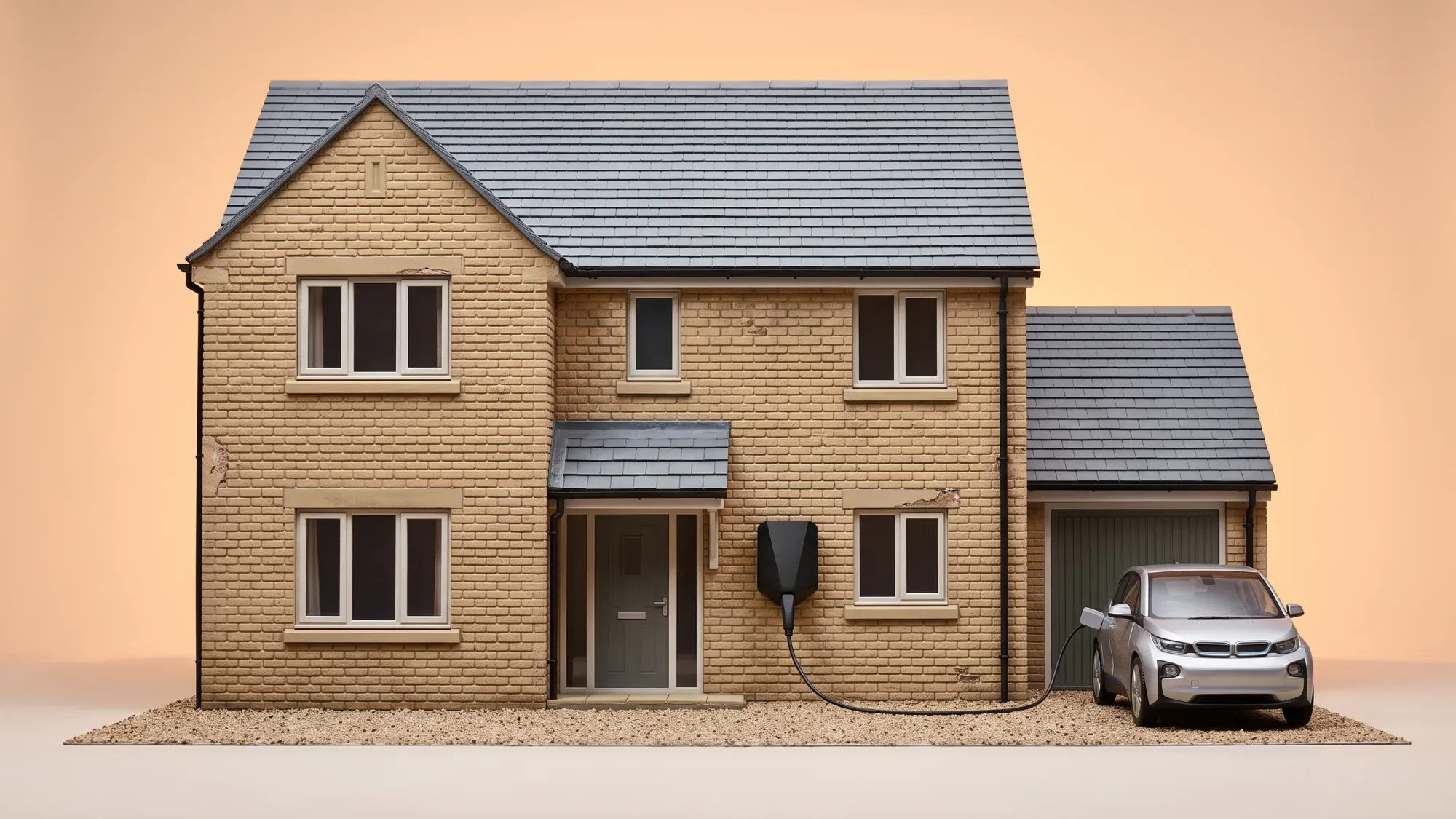
Installing an electric vehicle (EV charger) at home in South Yorkshire is a practical step towards embracing sustainable transport, offering convenience and often lower running costs than public charging. For residents across Sheffield, Rotherham, Doncaster, and Barnsley, understanding the local energy landscape and available support is key to a smooth installation process. South Yorkshire, with its diverse housing stock ranging from Victorian terraces to modern new-build estates, presents unique considerations for home EV charging, particularly regarding parking and electrical infrastructure.
Understanding home EV charging in South Yorkshire
Home EV charging isn't just about plugging in; it's about integrating a new energy demand into your household within your local energy framework. For South Yorkshire residents, this means navigating specific regional details that influence both the installation and ongoing costs.
South Yorkshire's unique energy landscape
Your energy bills in South Yorkshire are directly affected by the region you live in. South Yorkshire falls within the "Yorkshire" electricity distribution region for Ofgem's price cap, meaning your unit rates and standing charges can differ from other parts of the UK. These caps are updated quarterly, so local variations are a constant factor in your energy costs.
The company responsible for the physical electricity network - the cables, substations, and poles that bring power to your door - is your Distribution Network Operator (DNO). For all of South Yorkshire, this is Northern Powergrid. If you ever experience a power cut, dialling the free national number 105 will route you directly to Northern Powergrid for assistance.
Why home charging makes sense
Charging your EV at home offers unparalleled convenience; you can simply plug in overnight and wake up to a full battery. It also provides significant cost savings compared to relying solely on public charging networks, especially when paired with an optimised energy tariff. This control over your charging schedule and costs makes home charging a key enabler for electric vehicle adoption.
The EV charger installation process explained
Installing a home EV charger involves several stages, from initial checks to the final setup. Knowing what to expect can help you prepare and ensure a hassle-free experience. For more details on the process, you can read our guide on EV charger installation.
Initial assessment and planning
Before any installation, you'll need to assess your home's suitability. This includes checking if you have dedicated off-street parking, such as a driveway or garage, where the charger can be safely mounted. An electrician will also evaluate your home's existing electrical capacity to ensure it can handle the additional load of an EV charger without needing significant upgrades to your mains supply.
The DNO notification process and Northern Powergrid
Any new grid connection that draws a significant load, such as an EV charger, requires notification to your local DNO. In South Yorkshire, this means Northern Powergrid must be informed under the ENA connect-and-notify process.
What is the ENA connect-and-notify process for EV chargers?
The ENA connect-and-notify process is a regulatory framework requiring installers to notify the DNO - Northern Powergrid in South Yorkshire - of new grid connections. The connect-and-notify route applies where the property's total demand stays at or below 60amps, with the DNO notified after installation. Larger or more complex installations need DNO approval before work starts.
Your chosen installer should handle this notification on your behalf, ensuring all technical and safety standards are met. This process confirms that your new charger won't negatively impact the local electricity network.
What to expect on installation day
On the day of installation, a certified electrician will typically spend a few hours fitting the charge point, running the necessary cabling, and connecting it to your home's electricity supply. They will test the unit, demonstrate how to use it safely, and ensure all paperwork, including the DNO notification, is complete. The exact duration can vary depending on the complexity of the installation.
Choosing the right EV charger and installer
Selecting the right EV charger and a qualified installer is crucial for safety, efficiency, and maximising your investment.
Types of home EV chargers
Home EV chargers come in various types, primarily distinguished by their power output and features. Most domestic chargers are 'fast' chargers, typically 7kW, which can fully charge an EV overnight. You'll also find tethered chargers (with a cable permanently attached) and untethered chargers (where you use your car's charging cable).
Key features to consider
When choosing a charger, consider charging speed, compatibility with your vehicle, and smart features. Smart chargers can connect to your home's Wi-Fi, allowing you to schedule charging during off-peak hours to save money, monitor energy usage, and even integrate with solar panels if you have them. Future-proofing your choice by selecting a charger that can adapt to evolving EV technology is also wise. For more on what to consider, see our guide on picking the right home EV charger.
Finding an OZEV-approved installer in South Yorkshire
To ensure a safe and compliant installation, and to be eligible for any government grants, you must use an installer accredited by the Office for Zero Emission Vehicles (OZEV). These installers are trained to meet specific safety and technical standards. Always verify an installer's OZEV accreditation before proceeding.
Grants and funding for South Yorkshire residents
Several schemes are in place to help reduce the upfront cost of EV charger installation, making home charging more accessible for South Yorkshire residents.
The OZEV EV Chargepoint Grant
The EV Chargepoint Grant for renters and flat owners provides financial support for eligible individuals, covering up to £500 towards the cost of purchasing and installing a home charge point. This grant is specifically designed for those who own and live in a flat, or rent any residential property, and have private off-street parking.
Additionally, the EV Chargepoint Grant for households with on-street parking offers up to £500 for those who own or rent a property, only have on-street parking, and are installing a cross-pavement solution (e.g., a charging gully). It is important to note that typical homeowners who own and live in a house with private off-street parking are not eligible for these domestic chargepoint grants. Customers must apply for the grant themselves via GOV.UK; the installer's role begins after the application is approved.
On-street charging solutions (LEVI scheme)
For South Yorkshire residents without dedicated off-street parking, on-street charging solutions are becoming increasingly important. The government's Local Electric Vehicle Infrastructure (LEVI) scheme supports local councils in England to plan and roll out public EV charging infrastructure, with a particular focus on those without driveways. Local councils can apply for funding through this scheme to install residential charge points on streets, making EV ownership more viable for a wider range of households.
Powering your EV with Fuse Energy
Once your EV charger is installed, the next step is to optimise how you power your vehicle. Fuse Energy is dedicated to empowering South Yorkshire residents with the knowledge and tools to confidently manage their home energy, including EV charging.
Optimising your charging costs
Fuse Energy can install an Easee One EV charger at your property, and we also provide the energy supply and digital tools to help you make the most of your new setup. By choosing an energy supplier that offers competitive tariffs and smart energy management features, you can significantly reduce the cost of charging your EV. Our aim is to put the power to play with back into your hands, making home EV charging an affordable and stress-free part of your daily life.
Seamless home energy management
Positioning EV charger installation as a foundational step towards a more modern, efficient home energy system aligns with Fuse's goal of simplifying energy upgrades. Our digital-first approach and 24/24 human support mean you have the tools and assistance to enhance your long-term experience of owning and operating an EV charger. We connect the dots between local infrastructure, grants, charger choice, and long-term energy savings, ensuring you have the knowledge to confidently install an EV charger and embrace convenient home charging.
Disclaimer
For the avoidance of doubt, this article is provided for informational purposes only and is not intended to constitute legal or financial advice. The author and/or Fuse Energy shall not be responsible for any losses arising out of any reliance on the information contained herein.