EV charger installation in Solihull
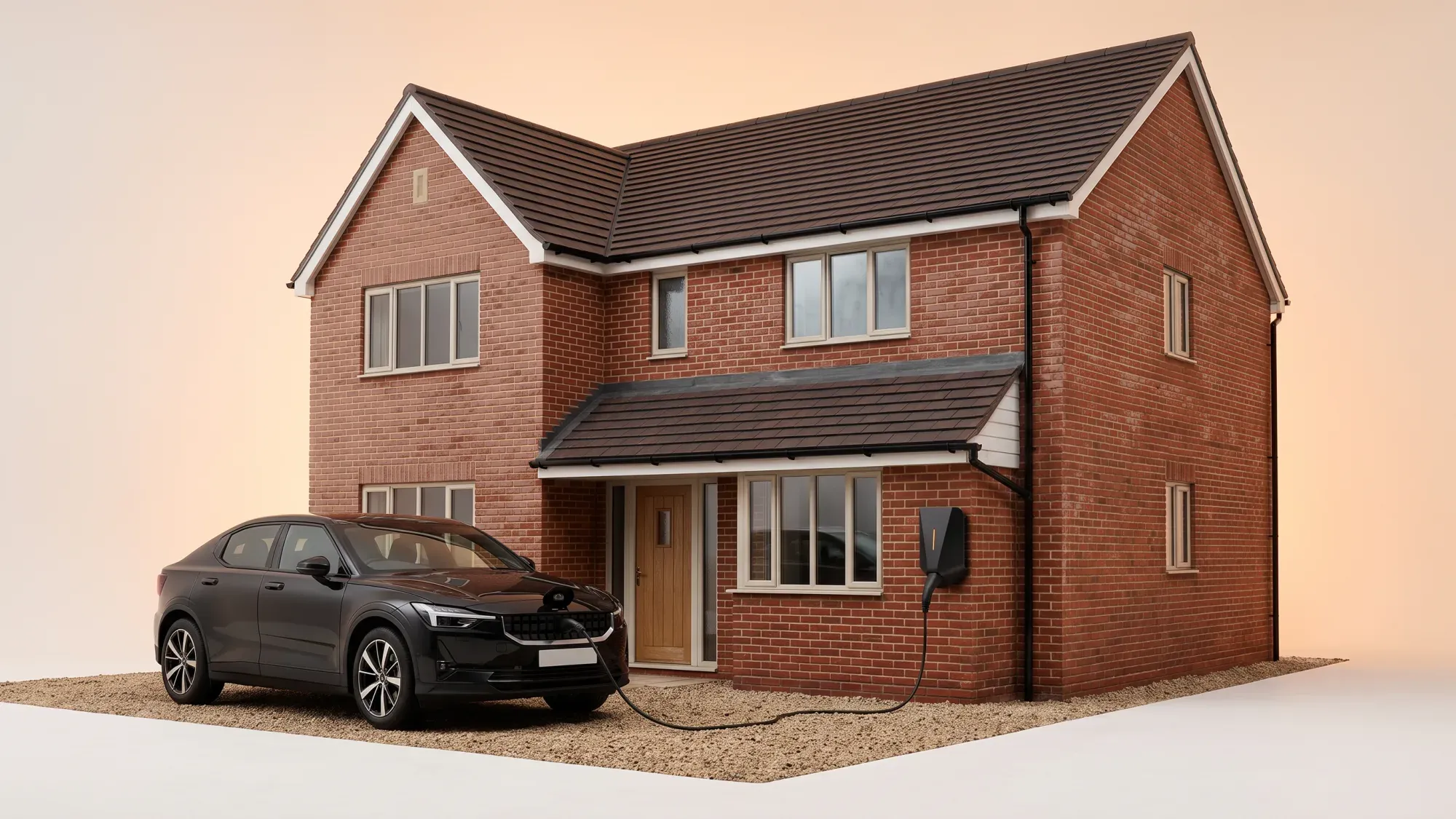
Solihull, with its mix of residential areas, offers a unique setting for electric vehicle (EV) owners considering a home charger. Understanding local specifics is crucial for a smooth and cost-effective setup. This guide provides Solihull residents with essential information, from grants to local infrastructure, to help you navigate the process confidently.
Why install a home EV charger in Solihull?
Convenience and control for Solihull EV owners
Installing an EV charger at home offers unparalleled convenience, allowing you to charge your vehicle overnight or whenever it suits you, without relying on public charging infrastructure. For Solihull residents, this means waking up to a fully charged car, ready for commutes or weekend trips, and avoiding queues or out-of-order public chargepoints.
Potential cost savings over public charging
Charging your EV at home is typically more economical than using public rapid chargers. By taking advantage of off-peak electricity tariffs, you can significantly reduce your running costs. This control over your charging schedule and energy source translates directly into savings over time.
Future-proofing your Solihull home
As EV adoption continues to grow across the UK, a home EV charger is becoming an increasingly desirable feature for properties. Installing one now not only enhances your current EV ownership experience but also adds value and appeal to your Solihull home for future buyers.
Solihull's local EV charging landscape
Understanding the local energy infrastructure is crucial for any EV charger installation. Solihull's specific regional characteristics influence everything from electricity costs to notification procedures.
Understanding your electricity price-cap region
Solihull is located within the West Midlands electricity distribution region. This is important because Ofgem, the energy regulator, sets regional price caps for electricity unit rates and daily standing charges. The cost of electricity in Solihull will differ from other parts of the UK, with the cap updated quarterly on 1 January, 1 April, 1 July, and 1 October.
The role of National Grid Electricity Distribution
The local Distribution Network Operator (DNO) for Solihull is National Grid Electricity Distribution. The DNO is responsible for maintaining the local electricity grid and ensuring new connections are safe and don't overload the system. New home EV charger installations in Solihull require notification to National Grid Electricity Distribution under the ENA connect-and-notify process, a task typically managed by your chosen installer. Should you experience a power cut in Solihull, you can dial the free national number 105, which will route you directly to your local electricity DNO.
On-street charging initiatives in Solihull
For Solihull residents without off-street parking, on-street charging options are vital. Solihull Council may utilise the government's on-street residential chargepoint scheme (LEVI) to support the installation of public chargepoints in residential areas, providing a solution for those unable to install a private charger at home.
Grants and funding for Solihull EV owners
Government grants can significantly reduce the upfront cost of installing a home EV charger, making the transition to electric driving even more accessible.
OZEV EV chargepoint grants explained
OZEV (Office for Zero Emission Vehicles) EV chargepoint grants1 are available across the UK, including Solihull. For example, the EV Chargepoint Grant for renters and flat owners provides up to £500 towards the cost of purchasing and installing a home EV chargepoint. These grants are designed to support the wider adoption of electric vehicles by making home charging more affordable.
Eligibility for Solihull residents
For residents in Solihull, the EV Chargepoint Grant for renters and flat owners is specifically available for eligible flat owner-occupiers and people in rental accommodation with private off-street parking. If you live in a house with private off-street parking, you are generally not eligible for any current domestic OZEV chargepoint grants. There is also the EV Chargepoint Grant for households with on-street parking, which provides up to £500 for those installing a cross-pavement solution.
Maximising your grant application
To maximise your chances of receiving a grant, ensure you meet all eligibility criteria before starting the installation process. For all current domestic OZEV chargepoint grants, the customer applies for the grant themselves via the GOV.UK eligibility/application page. The OZEV-authorised installer's role begins only after your application is approved.
Choosing the right EV charger for your Solihull home
Selecting the appropriate EV charger involves considering your vehicle, your charging habits, and your home's electrical setup. You can find more detailed information on choosing the right home EV charger for your needs.
Types of home EV chargers available
Home EV chargers typically come in two main types: 'untethered' (where you use your car's charging cable) or 'tethered' (with a cable permanently attached to the unit). Many home chargers operate at around 7kW, offering a good balance of charging speed and compatibility with domestic electrical supplies.
Key features and smart functionality
Modern EV chargers often come with smart features, including app control, scheduled charging, and load balancing. App control allows you to monitor and manage your charging sessions remotely, while scheduled charging can help you take advantage of cheaper off-peak electricity rates. Load balancing ensures your home's electrical supply isn't overloaded when multiple appliances are in use. For more on costs, consider how much an EV charger costs.
Ensuring compatibility with your electric vehicle
Most EVs sold in the UK use a Type 2 connector for AC charging. It's essential to confirm your vehicle's connector type and maximum charging speed to ensure compatibility with your chosen charger. A qualified installer can advise on the best option for your specific EV.
The home EV charger installation process
Installing an EV charger is a specialist job that requires adherence to strict safety and regulatory standards. For a comprehensive overview of the process, refer to our guide on EV charger installation.
Finding a qualified Solihull installer
It is paramount to choose a qualified and certified electrician for your EV charger installation. They must be certified to install EV chargepoints and comply with the IET Wiring Regulations (BS 7671)2. Obtaining multiple quotes from reputable installers operating in Solihull will help you compare services and ensure you get a fair price for a safe and compliant installation.
What qualifications should an EV charger installer have?
An EV charger installer must be a qualified and certified electrician, adhering to the IET Wiring Regulations (BS 7671). They should also be approved by OZEV (Office for Zero Emission Vehicles) if you intend to apply for any available grants. This ensures the installation is safe, compliant with UK electrical standards, and eligible for funding.
What to expect on installation day
On the day of installation, the electrician will typically assess your home's electrical system, install the chargepoint in your agreed location, and connect it to your consumer unit. They will then test the unit to ensure it's functioning correctly and provide you with a demonstration of how to use it safely. The process usually takes a few hours, depending on the complexity of the installation.
Post-installation checks and certification
Following installation, your electrician will handle all necessary notifications to National Grid Electricity Distribution under the connect-and-notify or apply-to-connect process. This ensures your new charger is registered with the local grid operator, maintaining grid stability and safety. You should also receive an electrical installation certificate, confirming the work meets regulatory standards.
Optimising your EV charging with smart energy
Once your home EV charger is installed, the next step is to maximise its efficiency and cost-effectiveness through smart energy management.
The benefits of smart charging
Smart charging allows your EV to charge at the most opportune times, often when electricity demand is low and prices are cheaper, or when renewable energy generation is high. This not only saves you money but also contributes to a more stable and sustainable energy grid. By integrating your charger with smart energy tariffs, you gain greater control over your energy consumption and costs.
How Fuse Energy can enhance your EV experience
Once an EV charger is installed, Fuse Energy's innovative tariffs and app can help Solihull residents optimise their charging schedules to take advantage of cheaper, cleaner energy. Fuse Energy is a retail energy supplier, not an EV charger installer, but provides expert guidance and tools to help you make the most of your EV charging. Our app offers transparent control, empowering you to manage your energy usage effectively.
Maximising your savings and energy efficiency
By combining a home EV charger with smart energy tariffs, you're not just charging your car; you're making a power play. This approach aligns with Fuse's vision to rebuild the energy system from scratch, where efficient home EV charging integrates with a modern energy system, contributing to a future with abundant energy. With Fuse, you get the 'power to play with' your energy choices, maximising your control and savings.
Conclusion and next steps
Installing a home EV charger in Solihull is a straightforward process when you have the right information. By understanding the local context, exploring available grants, choosing a qualified installer, and embracing smart charging, you can enjoy the full benefits of EV ownership. Take the first step today by assessing your needs and researching certified installers in your area.
References
- UK Government. Electric vehicle chargepoint grants
- The IET. BS 7671 and guidance publications
Disclaimer
For the avoidance of doubt, this article is provided for informational purposes only and is not intended to constitute legal or financial advice. The author and/or Fuse Energy shall not be responsible for any losses arising out of any reliance on the information contained herein.