Home EV charger installation in Salford
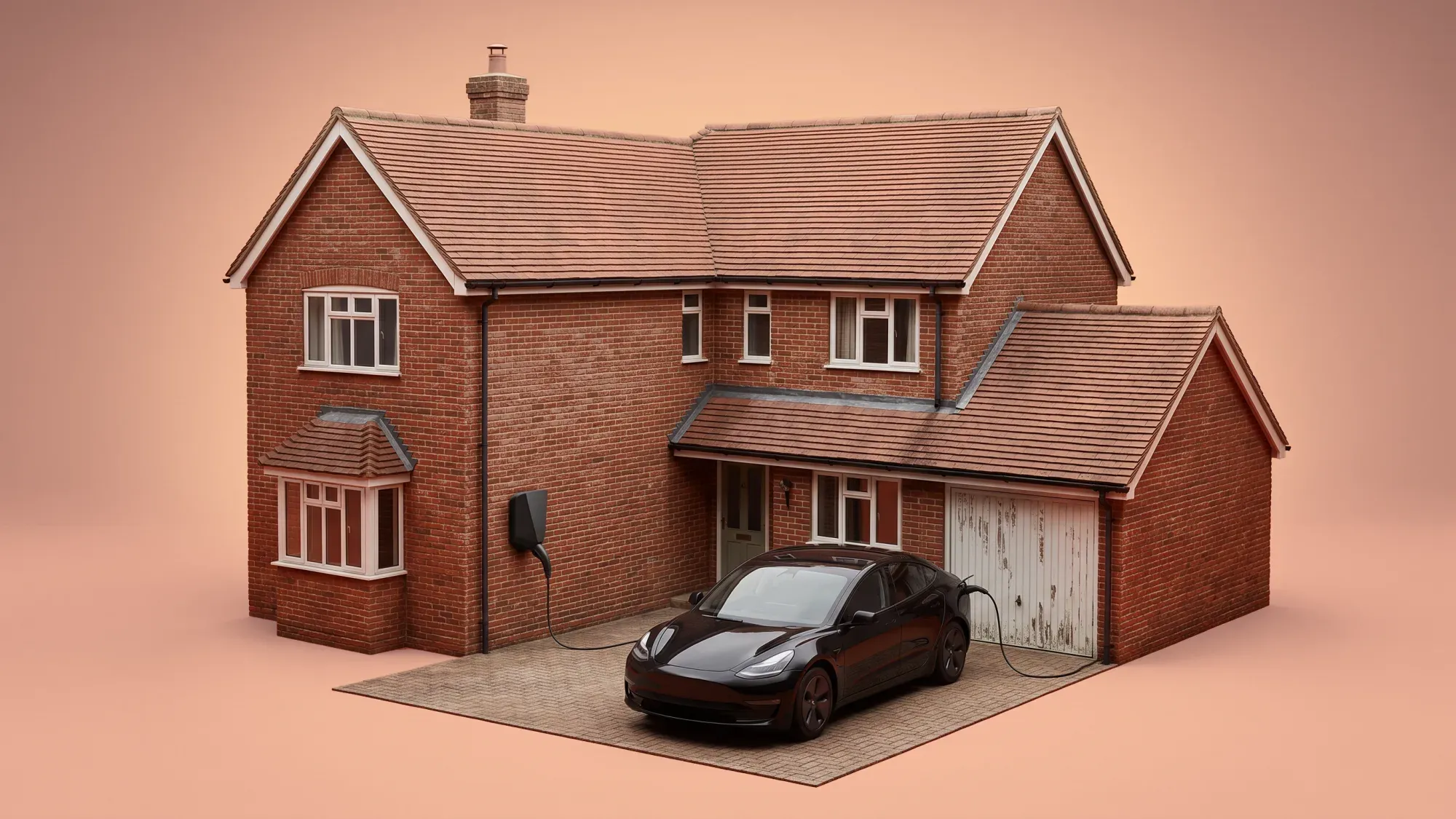
Installing an EV charger at home in Salford offers unparalleled convenience, but navigating the process requires understanding local specifics. From its traditional Victorian terraces and inter-war semis to modern apartment blocks and new-build estates, Salford's diverse housing stock presents unique considerations for EV charger installation. This guide will walk you through everything you need to know, from costs and grants to local grid requirements, ensuring a smooth transition to home charging.
Why install an EV charger at home in Salford?
Charging at home is significantly more convenient and often cheaper than relying on public charging stations. You can plug in overnight, taking advantage of cheaper off-peak electricity tariffs. This eliminates range anxiety and the need to search for available public chargepoints, saving both time and money.
An EV charger can also be a valuable addition to your Salford property. As electric vehicles become more common, a dedicated home charging point is increasingly seen as a desirable feature for potential buyers, potentially increasing your home's market appeal and value.
Understanding EV charger costs and grants in Salford
The cost of installing an EV charger varies, but several factors influence the final price. Fortunately, government grants can help offset some of these expenses for eligible Salford residents.
Average installation costs
A typical smart charger installation in the UK usually includes the charger unit and labour. However, costs can increase if your property requires electrical upgrades, longer cable runs, or groundworks like trenching. For instance, a consumer unit upgrade might add significant costs, while upgrades for faster charging can also be expensive, though a standard home charger is sufficient for most overnight home charging. To understand the factors that drive the overall cost, you might find our guide on how much an EV charger costs helpful.
OZEV EV chargepoint grant eligibility
The government offers several OZEV EV chargepoint grants that provide financial support for home charger installations. These grants are available until 31 March 2027.1
Eligibility is specific, and the domestic grants are primarily for renters and flat owners, or households with on-street parking. You may qualify for the EV Chargepoint Grant for renters and flat owners, which offers up to £500, if you:
- Own and live in a flat (including shared ownership) or rent any residential property.
- Have private, off-street parking that is accessible to you at all times.
- Own, lease, or have on order an eligible electric or plug-in hybrid vehicle.
- Have not previously claimed the Electric Vehicle Homecharge Scheme (EVHS) or Domestic Recharge Scheme.
Alternatively, the EV Chargepoint Grant for households with on-street parking provides up to £500 towards installing a chargepoint if you own or rent the property, must be installing a cross-pavement solution (e.g. a charging gully), and only have on-street parking.
Homeowners of single-unit properties (like a standard detached house) with a driveway are generally no longer eligible for any current domestic chargepoint grant. For all current domestic OZEV chargepoint grants, the customer applies for the grant themselves via the GOV.UK eligibility/application page. The OZEV-authorised installer's role begins only after the customer's application is approved, and the installer does not handle the paperwork or deduct the grant amount from your invoice.
The LEVI scheme for on-street charging
For Salford residents without off-street parking, the government's Local Electric Vehicle Infrastructure (LEVI) scheme is crucial. This fund supports local authorities in England to work with the chargepoint industry to roll out public charging infrastructure, particularly focusing on on-street chargepoints. Salford City Council is piloting schemes to install EV pavement channels, which allow residents to safely run a charging cable from their property to a vehicle parked on the street, reducing trip hazards. These initiatives aim to make EV ownership viable for more people across the city.
The EV charger installation process in Salford
Installing an EV charger involves several steps, from initial assessment to final connection. Understanding this process helps ensure a smooth experience.
Initial assessment and site survey
Before any installation, a qualified installer will conduct a site survey. This typically involves assessing your home's electrical supply, identifying the best location for the charger, and checking for any potential complexities like long cable runs or the need for electrical upgrades. This survey helps determine the most suitable charger type and provides a detailed, fixed-price quote.
Choosing the right charger
Most UK homes opt for a smart home charger, which works on a standard single-phase electricity supply and can fully charge most EVs overnight. These smart chargers often come with features like Wi-Fi connectivity and smartphone apps, allowing you to schedule charging during off-peak hours to save money. While faster chargers exist, they require a three-phase power supply, which is uncommon in residential properties and can be expensive to upgrade. For more information on choosing the right charger, see our guide on selecting the right home EV charger.
Local grid connections and Electricity North West
Any new home EV charger connection in Salford requires notification to Electricity North West, your local Distribution Network Operator (DNO). This is a regulatory requirement under the ENA connect-and-notify process, ensuring the safe integration of your charging system into the electricity grid and preventing overloads. For most standard home chargers, the installer will handle the connect-and-notify route, which is a straightforward "connect and notify" process after installation. For higher-power chargers or systems that export to the grid (like Vehicle-to-grid), a more detailed G99 application might be needed, which requires DNO approval before installation.
What is the ENA connect-and-notify process for EV chargers?
The connect-and-notify process is a notification system for small-scale, low-impact electricity generating or consuming devices, like most home EV chargers (typically up to a certain power level single-phase). Your installer connects the charger and then notifies your DNO within 28 days. This is a legal requirement to ensure grid stability and safety.
What to expect on installation day
On the day of installation, the process typically takes 2–4 hours for a standard setup. The installer will run a dedicated circuit from your consumer unit to the charger, mount the unit, and configure it. Upon completion, you should receive an electrical installation certificate, warranty documentation, and confirmation of the DNO notification. Most homeowners do not need planning permission for a standard wall-mounted EV charger, as these are generally classed as "permitted development". However, if you live in a listed building, a conservation area, or a flat, you may need additional consent from your local council, landlord, or freeholder.
Local considerations for Salford EV owners
Salford's unique characteristics play a significant role in home EV charger installation. Understanding these local factors is key to a successful setup.
Salford's diverse housing stock
Salford's housing landscape, from its traditional terraced streets to modern high-rise apartments and suburban new builds, directly influences EV charger feasibility. Many older properties may require consumer unit upgrades to safely accommodate the electrical demand of an EV charger. For residents in flats or rented accommodation, obtaining written consent from landlords or management companies is a crucial step, even if you have dedicated parking. The availability of off-street parking is a primary factor, with solutions like the LEVI scheme and pavement channels addressing the needs of those without driveways.
Electricity North West: your local DNO
Salford falls within the service area of Electricity North West, which is your local DNO. They are responsible for maintaining the electricity grid in the region. Any new EV charger installation will involve them through the DNO notification process, typically managed by your installer. Should you experience a power cut in Salford, you should dial the free national number 105, which routes directly to Electricity North West.
Ofgem's price cap in North West England
Ofgem's energy price cap is set regionally, and Salford is located within the "North West England" electricity distribution region. This means the unit rates and daily standing charges for electricity in Salford are influenced by this regional cap, which is updated quarterly. Understanding this can help you choose the most cost-effective energy tariff for your EV charging needs.
Choosing an OZEV-approved installer in Salford
Selecting the right installer is paramount for a safe, compliant, and efficient EV charger installation.
Importance of certification
Always choose an OZEV-approved installer. This is not only a requirement for claiming an OZEV grant but also ensures that the installation meets rigorous safety and quality standards. OZEV-approved installers are trained and certified to work with EV charging equipment and understand the specific regulations involved. They will also handle the necessary DNO notifications to Electricity North West on your behalf.
Questions to ask your installer
When obtaining quotes, ask potential installers about their experience with properties similar to yours in Salford, particularly if you have an older home or live in a flat. Enquire about the types of chargers they recommend, their warranty policies, and how they support customers with the OZEV grant application process and DNO notification process. A reputable installer will provide clear answers and a transparent breakdown of costs.
Getting a quote
It is advisable to get detailed quotes from multiple local, OZEV-approved installers in Salford. These quotes should include the cost of the charger, installation, and any necessary electrical upgrades. Many installers offer free, no-obligation site surveys to provide an accurate quote.
References
- UK Government. Electric vehicle chargepoint grants
Disclaimer
For the avoidance of doubt, this article is provided for informational purposes only and is not intended to constitute legal or financial advice. The author and/or Fuse Energy shall not be responsible for any losses arising out of any reliance on the information contained herein.