Home EV charger installation in Reading
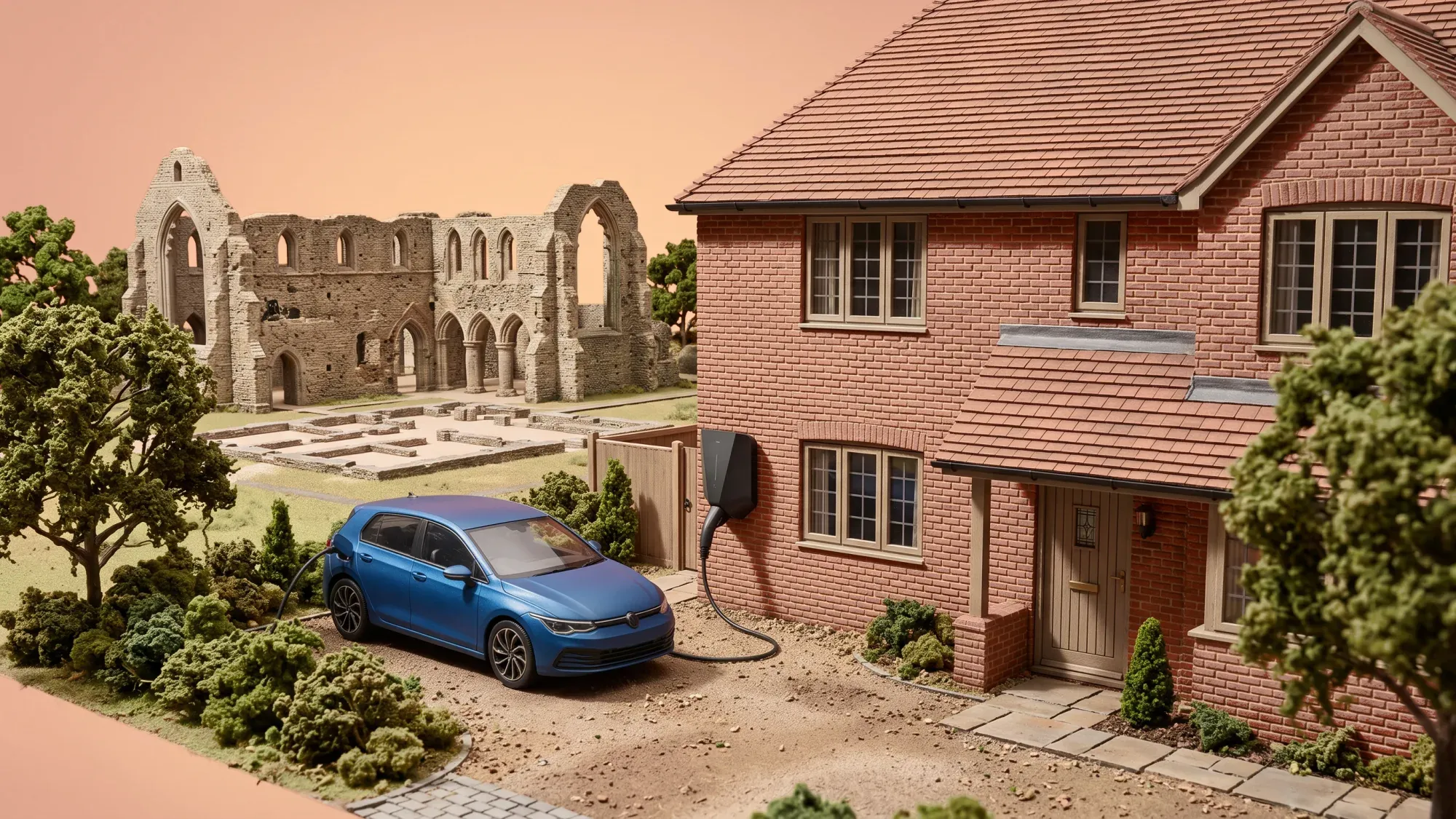
Installing an EV charger at home in Reading means navigating both the practicalities of your property and the specific energy landscape of the Thames Valley. With its mix of historic Victorian terraces, modern developments, and surrounding villages, many Reading residents need clear guidance on how to power their electric vehicles efficiently and affordably.
Understanding EV charger installation in Reading
Home EV charging is crucial for convenient electric vehicle ownership, offering the freedom to top up your battery overnight without relying on public infrastructure. For Reading residents, understanding the local context is key to a smooth installation.
Reading's unique energy landscape
Reading sits within the "Southern England" electricity distribution region. This means its unit rates and daily standing charges for electricity are subject to Ofgem's price cap, which is updated quarterly. The local Distribution Network Operator (DNO) for Reading is Scottish and Southern Electricity Networks (SSEN). Any new home EV charger installation requires notification to SSEN under the ENA connect-and-notify process, which your installer typically handles. In the event of a power cut, Reading residents dial the free national number 105, which routes directly to their DNO.
Why home charging matters for EV owners
Charging your EV at home offers unparalleled convenience and often proves more cost-effective than relying solely on public charging networks. It allows you to start each day with a full "tank," optimising your vehicle's range and reducing range anxiety, particularly useful for daily commutes or weekend trips from Reading. Understanding how to pick the right home EV charger is essential for maximising these benefits.
Types of EV chargers for your home
Choosing the right charger involves considering your vehicle, your driving habits, and your home's electrical capacity.
Slow, fast, and rapid chargers
For home use, you'll primarily encounter slow and fast chargers. Slow chargers typically operate between 2.3kW and 7kW, often using a standard three-pin plug, but can take 12-18 hours for a full charge. Fast chargers, rated at 7kW or 22kW, are the most common home installation, significantly reducing charging times to 4-8 hours for a full charge, depending on your car's battery size and onboard charger. Rapid chargers (50kW+) are generally found at public charging stations and are not typically installed in residential properties due to their high power requirements.
Smart charging capabilities
Modern EV chargers come with smart capabilities, allowing you to schedule charging sessions, monitor energy usage, and even integrate with renewable energy sources like solar panels. Smart chargers can also take advantage of off-peak electricity tariffs, significantly reducing your running costs.
The installation process explained
Installing an EV charger is an electrical upgrade that requires professional expertise. For more details on the process, see our guide to EV charger installation.
Initial assessment and site survey
A qualified installer will conduct an initial assessment of your home's electrical system, including your consumer unit and earthing arrangements. They'll also check the proposed location for the charge point and ensure there's adequate space and safety clearances. This survey helps determine the best type of charger for your needs and identifies any necessary electrical upgrades.
Navigating the DNO notification with SSEN
For new home EV charger installations in Reading, your installer must notify SSEN under the ENA connect-and-notify process. This is a regulatory requirement to ensure the new electrical load doesn't negatively impact the local grid. While this sounds complex, a reputable installer will manage this notification process on your behalf, ensuring compliance and a smooth connection to the network.
What to expect on installation day
On installation day, the electrician will mount the charge point, run the necessary cabling from your consumer unit, and connect it to the mains electricity supply. They will then test the unit thoroughly and provide you with a demonstration of how to use it safely and efficiently. Most standard installations are completed within a single day.
Costs, grants, and local considerations
Understanding the financial aspects of EV charger installation, including available grants and local electricity pricing, is essential for Reading residents.
Average installation costs in Reading
The cost of installing a home EV charger in Reading can vary based on the charger type, the complexity of the installation (e.g., length of cable run, need for electrical upgrades), and the installer. A standard 7kW tethered charger installation typically ranges from £800 to £1,200, including the unit and labour, before any grants are applied. For a detailed breakdown of costs, you can read our guide on how much is an EV charger.
OZEV EV chargepoint grant eligibility
The UK government offers specific OZEV EV chargepoint grants that can significantly reduce the upfront cost of a home charger. The EV Chargepoint Grant for renters and flat owners provides up to £500 towards the cost of installing a home charger. This grant is available to flat owner-occupiers and people in rental accommodation across the UK who have private off-street parking and use an OZEV-authorised installer. It is important to note that owner-occupiers in a house with private off-street parking are not eligible for this domestic grant. The customer must apply for the grant themselves via GOV.UK; the installer's role begins after the application is approved.
For those without off-street parking, Reading Borough Council has secured £866,000 from the government's Local Electric Vehicle Infrastructure (LEVI) fund to install around 2,600 public EV charging points in residential streets. This scheme aims to ensure that at least 90% of households without a driveway will be within 100 metres of a public charger.
Understanding Reading's electricity price cap region
Reading falls under the "Southern England" electricity distribution region. Ofgem sets a price cap quarterly for unit rates and standing charges, which means these costs can vary by region. This regional variation impacts your overall electricity bill, including the cost of charging your EV at home.
Choosing the right EV charger installer in Reading
Selecting a qualified and reliable installer is paramount for a safe and efficient EV charger installation.
Key qualities of a reputable installer
Look for installers who are OZEV-approved, fully qualified electricians, and have specific experience with EV charger installations. They should offer a clear quote, handle all necessary paperwork, and provide guarantees for their work. Checking reviews and local recommendations can also be helpful.
Questions to ask potential installers
Before committing, ask about their experience with your specific EV model, their process for DNO notification, warranty details for both the charger and the installation, and their after-sales support. Ensure their quote is comprehensive and includes all potential costs.
Local DNO expertise: working with SSEN
An installer familiar with SSEN, Reading's local DNO, is invaluable. They will understand SSEN's specific requirements for grid connection and the ENA connect-and-notify process, ensuring your installation complies with local regulations and avoids unnecessary delays.
Optimising your EV charging with smart energy management
Beyond installation, integrating your EV charger into a broader home energy strategy can unlock significant savings and control.
Integrating your charger with home energy systems
Smart EV chargers can connect with your home energy management system, allowing you to coordinate charging with other high-demand appliances or your solar panel generation. This integration helps balance your home's energy load and can reduce peak-time electricity consumption.
Maximising savings with smart tariffs
Many energy suppliers offer smart tariffs designed for EV owners, providing cheaper electricity rates during off-peak hours. By using a smart charger to schedule your EV charging during these periods, you can significantly lower your running costs. This smart approach to energy consumption aligns with a future of abundant energy, giving you more control over your bills.
Considering an EV charger as part of a holistic home energy upgrade, alongside smart meters, solar panels, and battery storage, can future-proof your home. Fuse Energy offers Easee One EV charger installation and 24/7 human customer support, providing a transparent app for control and all your home energy needs.
Disclaimer
For the avoidance of doubt, this article is provided for informational purposes only and is not intended to constitute legal or financial advice. The author and/or Fuse Energy shall not be responsible for any losses arising out of any reliance on the information contained herein.