Home EV charger installation in Lincoln
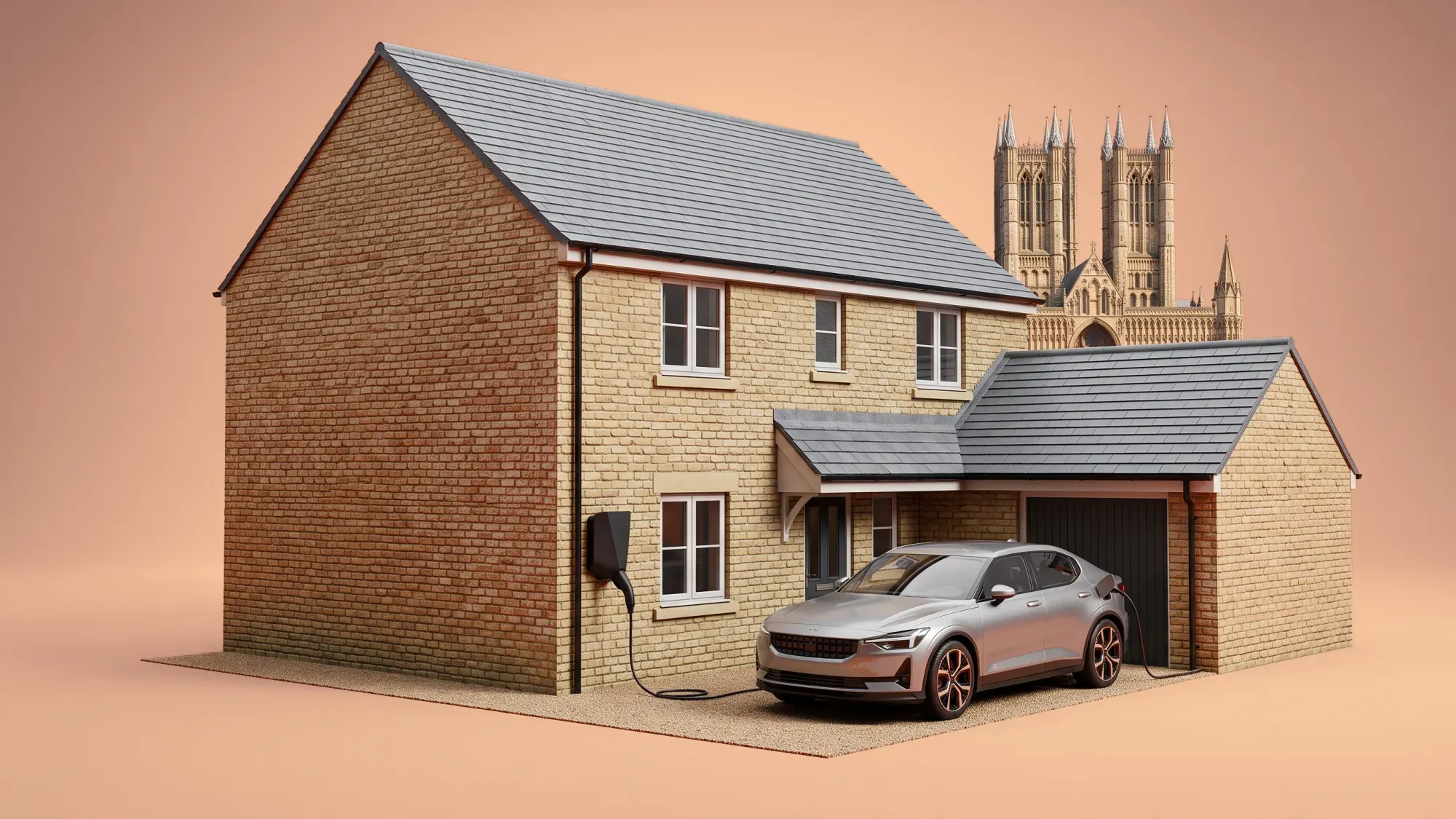
Installing an electric vehicle (EV) charger at home is a significant step towards a more sustainable and convenient future for homeowners in Lincoln. The city's diverse housing stock, from historic terraced streets to modern new-builds, presents unique considerations for installation. Understanding the local energy landscape is key to a smooth process. This guide will walk you through everything you need to know about EV charger installation in Lincoln, from choosing the right unit for your property to navigating local regulations and grants, ensuring you are well-prepared for your electric vehicle journey.
Understanding EV chargers for your Lincoln home
Home EV chargers offer the convenience of refuelling your electric vehicle overnight, ready for your daily commute or longer trips. Choosing the right charger involves understanding the different types available and their features, alongside how they suit Lincoln's diverse housing.
Types of home EV chargers
Most home EV chargers fall into the 'fast' category. Fast chargers typically deliver between 7kW and 22kW, adding around 25-75 miles of range per hour of charging1. A common home EV charger is rated at 7.4kW2, suitable for most residential electrical supplies. Rapid chargers, which typically deliver 50kW or more, are usually found in public charging stations due to their higher power demands and are generally unsuitable for standard home installations3.
Key features to consider
When selecting a home EV charger, consider features such as tethered or untethered cables, smart charging capabilities, and compatibility with your vehicle. Tethered chargers come with a cable permanently attached, offering convenience, while untethered units allow you to use your car's own charging cable, providing flexibility for different EV models. Smart chargers can connect to your home's Wi-Fi, allowing you to schedule charging during off-peak hours to take advantage of lower electricity tariffs, monitor energy consumption, and even integrate with solar panels.
Suitability for Lincoln's housing stock
Lincoln's properties range from historic terraced houses, which might have older electrical systems, to modern new-builds with up-to-date infrastructure. This variety means that assessing your home's electrical capacity is a crucial first step. Older properties may require an electrical survey and potentially an upgrade to the consumer unit (fuse box) to safely accommodate an EV charger. Homes with off-street parking, such as driveways or garages, are generally straightforward for installation. For those in flats or terraced homes without dedicated off-street parking, on-street charging solutions are becoming more prevalent.
The local context: EV charging in Lincoln
Understanding Lincoln's specific energy landscape is vital for a smooth EV charger installation. This includes knowing your local electricity distributor and how regional energy pricing works.
Lincoln's energy landscape (DNO, price cap)
Lincoln is situated in the East Midlands electricity distribution region. This means the unit rates and daily standing charges for electricity, as set by Ofgem's price cap, are specific to this region and can differ from other parts of Great Britain. The price cap is updated quarterly, on 1 January, 1 April, 1 July, and 1 October.
The local Distribution Network Operator (DNO) for Lincoln is National Grid Electricity Distribution. They are responsible for maintaining the local electricity grid, including the cables and substations that deliver power to your home. If you experience a power cut in Lincoln, you can dial the free national number 105, which will connect you directly to National Grid Electricity Distribution. You can also use the Energy Networks Association's "Find my network operator" tool to identify your DNO by postcode.
Navigating the DNO notification process
New home EV charger installations in Lincoln require notification to National Grid Electricity Distribution under the ENA connect-and-notify or apply-to-connect process. This is a regulatory requirement to ensure that the increased electrical load from your charger does not negatively impact the local grid. For most homeowners, this process is handled by your OZEV-approved installer, who will submit the necessary paperwork to the DNO on your behalf.
On-Street charging and LEVI schemes
For residents in Lincoln without private driveways, the availability of on-street charging is a key consideration. Local councils can install on-street residential chargepoints through the government's On-Street Residential Chargepoint Scheme (LEVI). This initiative aims to expand public charging infrastructure, particularly in residential areas where off-street parking is limited, making EV ownership more accessible for a wider range of residents.
The EV charger installation process
Installing an EV charger at home involves several steps, from initial assessment to the final setup. A certified installer will guide you through each stage to ensure a safe and compliant installation. For more detailed information on the process, you might find our guide on EV charger installation helpful.
Initial assessment and site survey
Before any installation work begins, a qualified electrician will conduct a site survey of your property. This assessment checks the suitability of your home's electrical system, including the main fuse, earthing arrangements, and consumer unit. They will also determine the best location for your chargepoint, considering cable routes and accessibility.
Electrical requirements and upgrades
Depending on your property's existing electrical infrastructure, upgrades may be necessary. This could involve upgrading your main fuse, improving your earthing, or replacing an outdated consumer unit. These steps ensure your home can safely handle the increased electrical demand of an EV charger without overloading the system. Your installer will advise you on any required upgrades and incorporate them into the installation plan.
The installation day
On the day of installation, the electrician will mount the chargepoint, run the necessary cabling, and connect it to your electrical supply. They will then test the unit thoroughly to ensure it is functioning correctly and safely. Finally, they will demonstrate how to use your new charger and help you set up any smart features. To help choose the right home EV charger for your needs, consider factors like power, features, and installation requirements.
Costs, grants, and funding for Lincoln residents
Understanding the financial aspects of EV charger installation, including typical costs and available grants, can help you budget effectively.
Typical installation costs
The cost of installing a home EV charger can vary widely. Factors influencing the price include the type of charger, the complexity of the electrical work required, and the installer's fees. Basic installations for a standard 7.4kW charger might be less, but more complex jobs involving electrical upgrades or longer cable runs will increase the cost. It is important to obtain detailed quotes from several OZEV-approved installers to compare prices and services.
OZEV EV chargepoint grant eligibility
The UK government offers several EV chargepoint grants4 to help reduce the cost of home charger installation. The EV Chargepoint Grant for renters and flat owners provides up to £500 towards a home charger for flat owner-occupiers and people in rental accommodation. To be eligible, you must own or lease an eligible electric vehicle and have private off-street parking. Another scheme, the EV Chargepoint Grant for households with on-street parking, also offers up to £500 for those installing a cross-pavement solution and who only have on-street parking. Customers must apply for these grants themselves via the GOV.UK website; the installer's role begins after the application is approved.
Who is eligible for the OZEV EV chargepoint grant?
The EV Chargepoint Grant for renters and flat owners is available to flat owner-occupiers and those in rental accommodation who have private off-street parking and own or lease an eligible electric vehicle. The grant covers up to £500 towards the cost of purchasing and installing a home charging point.
Other potential savings
Beyond the OZEV grants, you might find other ways to save money. Some energy suppliers offer specific EV tariffs that provide cheaper electricity rates during off-peak hours, making the running costs of your EV lower. Installing a smart charger allows you to take advantage of these tariffs by scheduling your charging sessions.
Choosing an EV charger installer in Lincoln
Selecting the right installer is crucial for a safe, efficient, and compliant EV charger installation. Look for qualified professionals with local experience.
Importance of OZEV approval
Always choose an installer who is approved by the Office for Zero Emission Vehicles (OZEV). OZEV approval ensures that the installer meets specific standards for competence and safety, and it is a prerequisite for claiming the EV Chargepoint Grant. An OZEV-approved installer will also be knowledgeable about the latest regulations and best practices.
Questions to ask potential installers
When obtaining quotes, ask potential installers about their experience with similar properties in Lincoln, their OZEV accreditation, and what their quote includes (e.g., site survey, electrical upgrades, DNO notification, warranty). Inquire about the types of chargers they install and if they offer smart charger setup and support. A reputable installer will provide clear answers and a transparent breakdown of costs.
Local vs national providers
You might consider both local Lincoln-based electricians and national EV charger installation companies. Local providers often have a good understanding of Lincoln's specific housing types and local regulations, potentially offering a more personalised service. National companies may offer a wider range of charger brands and potentially more competitive pricing due to scale. Weigh up the pros and cons to find the best fit for your needs.
Life with your home EV charger
Once your EV charger is installed, you can enjoy the convenience of home charging. Optimising your charging habits and understanding energy efficiency will enhance your EV ownership experience.
Optimising your charging habits
With a home EV charger, you have control over when and how you charge. Utilise smart charging features to schedule charging during off-peak hours, typically overnight, when electricity rates are lower. This can significantly reduce your running costs. Most EVs also allow you to set charging limits, which can help prolong battery life.
Maximising energy efficiency
If you have solar panels, you might be able to charge your EV using self-generated renewable energy, further reducing your carbon footprint and electricity bills. Monitoring your energy usage through smart home apps can also help you identify patterns and make informed decisions about your overall energy consumption.
Future-proofing your setup
As EV technology evolves, so too will charging solutions. While a 7.4kW charger is suitable for most homes today, consider if your electrical infrastructure can support future upgrades, such as faster charging speeds, if your vehicle or household needs change. Keeping your electrical system well-maintained and up-to-date will ensure your home charging setup remains efficient and safe for years to come.
Fuse Energy can install an Easee One EV charger at your property, and we also provide the energy to power it, supporting you in optimising your home energy ecosystem. We believe that understanding local grid requirements for EV chargers is a step towards optimising home energy use and integrating with a modernised energy system.
References
- Quantum Electrical. What Determines How Fast an Electric Vehicle Can Charge at Home?
- Pod Point. How long does it take to charge an electric car?
- EVA England. Types of EV Chargers
- UK Government. Electric vehicle chargepoint grants
Disclaimer
For the avoidance of doubt, this article is provided for informational purposes only and is not intended to constitute legal or financial advice. The author and/or Fuse Energy shall not be responsible for any losses arising out of any reliance on the information contained herein.