EV charger installation in Kent explained
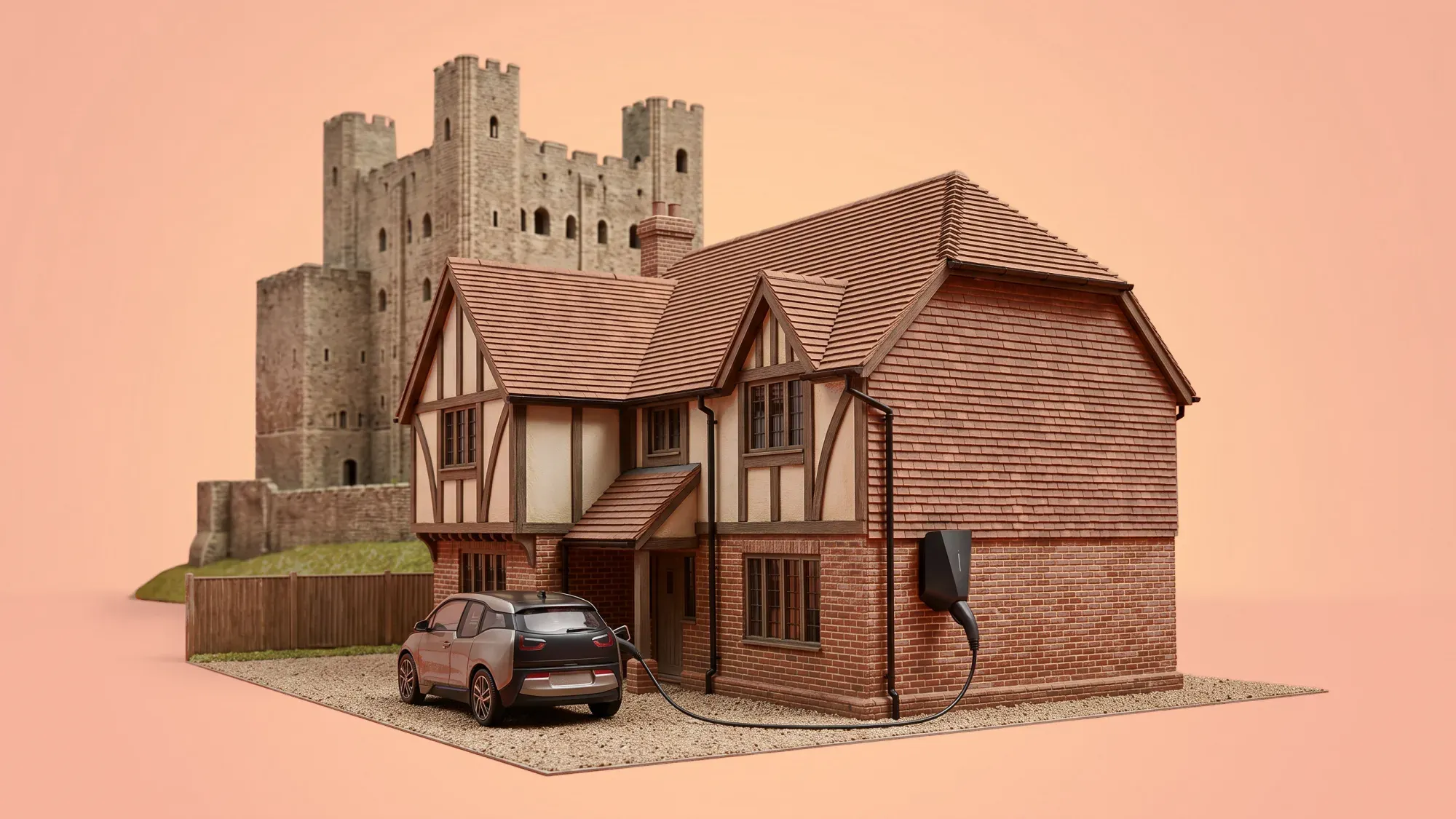
Installing an EV charger in Kent means navigating a landscape as diverse as the Garden of England itself, from the historic terraces of Canterbury to the coastal homes of Whitstable and the new builds springing up across the county. This variety in housing stock, whether you have a driveway, a garage, or rely on on-street parking, directly influences the type of charger suitable for your home and the installation process involved. This guide cuts through the noise, offering Kent homeowners clear, locally-relevant guidance to confidently select and install an EV charger that integrates seamlessly with their home energy and takes advantage of available grants.
Why install an EV charger in Kent?
Convenience and cost savings
Having an electric vehicle (EV) charger at home offers unparalleled convenience, allowing you to top up your vehicle overnight without relying on public charging infrastructure. Beyond convenience, home charging can significantly reduce your running costs, especially when paired with smart energy tariffs. By charging during off-peak hours, when electricity is cheaper, you can make substantial savings compared to public charging points or even traditional petrol and diesel.
The rise of electric vehicles in Kent
Kent has seen a steady increase in electric vehicle adoption, reflecting a national trend towards greener transport. As more residents embrace EVs, the demand for reliable and efficient home charging solutions grows. Installing a home charger not only future-proofs your property but also contributes to a cleaner, more sustainable environment across the county.
Kent's local EV charging landscape
Understanding the local specifics of Kent's electricity network is crucial for a smooth EV charger installation. These regional details affect everything from regulatory compliance to the cost of your electricity.
Understanding UK Power Networks
For all residents in Kent, the local Distribution Network Operator (DNO) is UK Power Networks. This is the company responsible for maintaining the electricity cables and infrastructure that deliver power to your home. They are not your energy supplier, but they play a critical role in ensuring new electrical installations, like EV chargers, are safely connected to the grid. In the event of a power cut, Kent residents can dial the free national number 105, which routes directly to UK Power Networks for assistance.
Electricity price caps in South East England
Kent falls within the "South East England" electricity distribution region for Ofgem's price cap. This regional designation means that the unit rates and daily standing charges for electricity in Kent are set according to this specific cap, which can differ from other regions in Great Britain. Ofgem, the energy regulator, updates these price caps quarterly, affecting your electricity bills and, consequently, the cost of charging your EV at home.
The DNO notification process
New home EV charger installations in Kent must be notified to UK Power Networks under the ENA connect-and-notify process. This is a regulatory requirement that ensures any new electrical generation or demand connected to the grid complies with safety and technical standards. While it sounds complex, this notification is typically managed by your chosen EV charger installer, who will handle the necessary paperwork and communication with the DNO on your behalf.
What is the DNO notification process?
The DNO notification process is a regulatory requirement for new electrical installations, including EV chargers, to ensure they are safely connected to the local grid in compliance with national regulations. In Kent, this notification goes to UK Power Networks and is usually handled by your accredited installer.
Grants and funding for your Kent EV charger
Government grants can significantly reduce the upfront cost of installing an EV charger, making the transition to electric driving more accessible.
OZEV EV Chargepoint Grant eligibility
The Office for Zero Emission Vehicles (OZEV) offers grants1 to help with the cost of installing home EV charging infrastructure. The EV Chargepoint Grant for renters and flat owners provides up to £500 towards installing a chargepoint if you own and live in a flat, or rent any residential property, and have private off-street parking. There is also the EV Chargepoint Grant for households with on-street parking, which offers up to £500 for those installing a cross-pavement solution, such as a charging gully, and who only have on-street parking. It is important to note that owner-occupiers in a house with private off-street parking are generally not eligible for any current domestic chargepoint grant.
On-street charging solutions
For Kent residents without a private driveway or garage, on-street charging can still be a viable solution. Local councils are working to expand public charging options, which is particularly beneficial for homes where off-street parking is not available.
Choosing the right EV charger for your Kent home
Selecting the right EV charger involves considering your vehicle, your home's electrical capacity, and your charging habits.
Charger types and features
EV chargers come in various types, primarily distinguished by their charging speed. A typical home charger, such as the 7.4 kW Easee One offered by Fuse, provides a good balance of speed and affordability for overnight charging. Higher-power chargers are available but often require a three-phase electricity supply, which is uncommon in many UK residential properties. When choosing, consider features like tethered or untethered cables, smart functionality, and compatibility with your specific EV model. For more detailed guidance, you might want to explore how to pick the right home EV charger for your needs.
Smart charging capabilities
Smart charging capabilities are a game-changer for EV owners. A smart charger can connect to your home's Wi-Fi, allowing you to schedule charging sessions, monitor energy consumption, and even integrate with smart energy tariffs. This means you can automatically charge your car when electricity prices are lowest, optimising your energy use and saving money.
Finding an accredited EV charger installer in Kent
The quality of your EV charger installation depends heavily on your chosen installer. It's crucial to select a reputable and accredited professional with local experience.
What to look for in an installer
When searching for an EV charger installer in Kent, prioritise those who are OZEV-approved. This accreditation ensures they meet government standards for safe and competent installation. Look for installers with a strong track record in Kent, as they will be familiar with local regulations and the specifics of UK Power Networks' requirements. Customer reviews and testimonials can also provide valuable insights into their reliability and service quality.
Questions to ask potential installers
Before committing to an installer, ask detailed questions to ensure they meet your needs. Inquire about their experience with your specific charger model and vehicle, their process for handling the DNO notification with UK Power Networks, and whether their quote includes all necessary electrical work and certification. A transparent installer will provide a clear breakdown of costs and timelines. Understanding the full process of EV charger installation can further help you integrate this technology seamlessly.
Integrating smart charging with your home energy
Beyond the physical installation, optimising your EV charging means integrating it into your broader home energy management strategy.
Optimising charging times
With a smart EV charger, you gain the power to optimise your charging schedule. By connecting to a smart energy tariff, you can schedule your EV to charge during off-peak hours when electricity is cheaper. This not only reduces your energy bills but also helps balance the grid by shifting demand away from peak times. It transforms your energy consumption into an advantage, aligning with a vision of a more efficient energy future.
Managing your energy with the Fuse app
The Fuse app can help homeowners optimise EV charging to take advantage of cheaper off-peak rates, transforming energy consumption into an advantage. It provides visibility and control over energy usage, allowing users to monitor and manage their EV charging alongside other home energy consumption. Integrating smart EV charging into a broader home energy system aligns with Fuse's vision of a more efficient and abundant energy future. The Fuse app provides transparent control over your energy usage, helping you make smart choices about when and how you power your home and vehicle.
References
- UK Government. Electric vehicle chargepoint grants
Disclaimer
For the avoidance of doubt, this article is provided for informational purposes only and is not intended to constitute legal or financial advice. The author and/or Fuse Energy shall not be responsible for any losses arising out of any reliance on the information contained herein.