EV charger installation in Greenwich
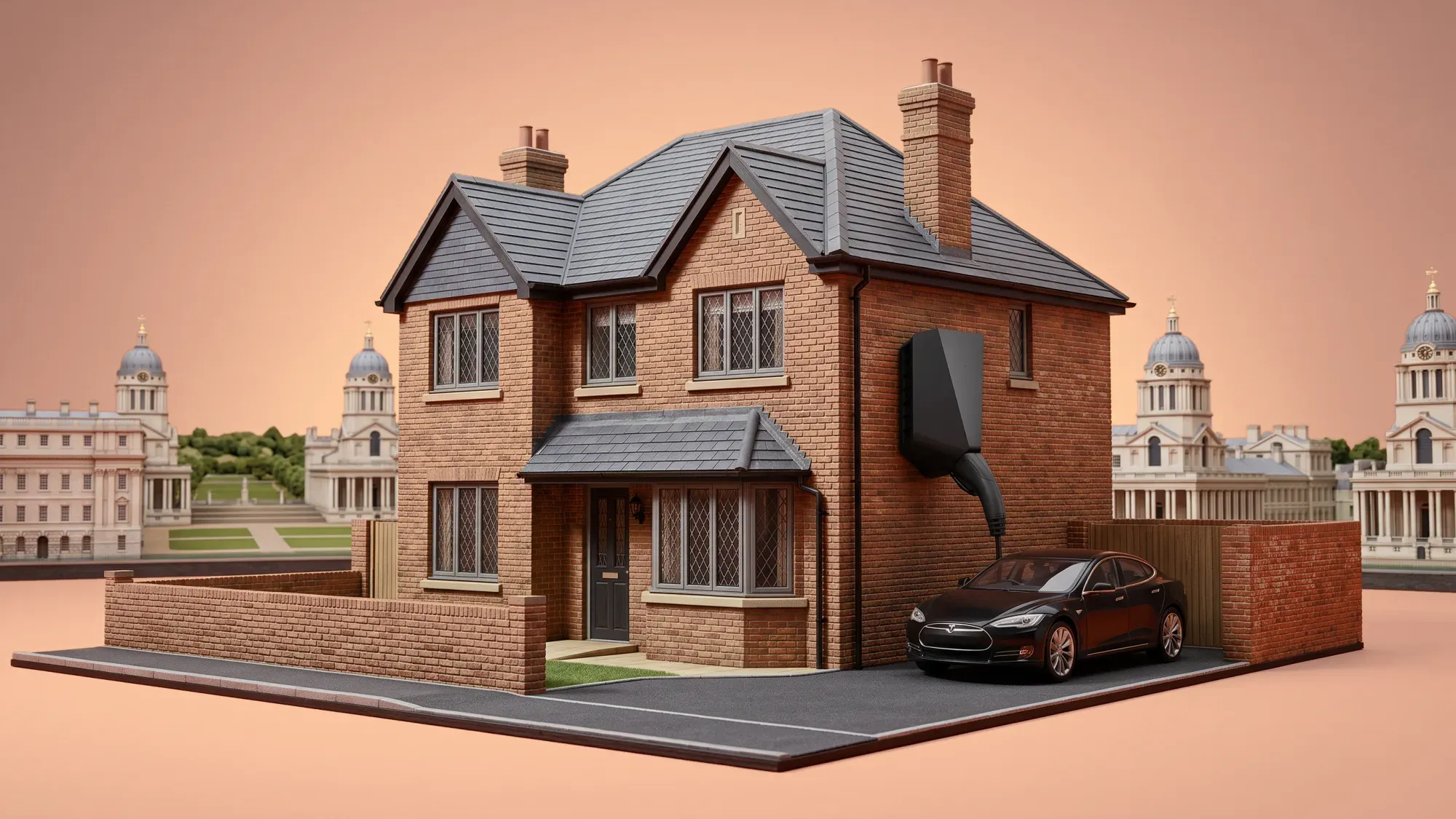
Installing an electric vehicle (EV) charger at home in Greenwich means navigating the borough's distinctive housing, from historic Victorian terraces to modern riverside flats, which directly impacts off-street parking and charger suitability. Understanding local grid specifics, available grants, and the correct installation process is crucial for Greenwich EV owners.
Greenwich's unique EV charging landscape
Housing stock and local considerations
Greenwich's diverse housing stock significantly influences the feasibility and type of EV charger installation. Residents in Victorian terraced houses, common across areas like West Greenwich and East Greenwich, often face the challenge of limited or no off-street parking. For these homeowners, a home charger might not be an option, necessitating reliance on public charging infrastructure. Conversely, newer developments and some suburban areas within the borough may offer dedicated driveways or garages, making private home charging straightforward. Assessing your property's suitability, including electrical capacity, is the first critical step before considering an EV charger. This local context extends to the energy infrastructure that powers these homes.
Local grid specifics: UK Power Networks and Ofgem's London region
The local Distribution Network Operator (DNO) for Greenwich is UK Power Networks. This means they are responsible for maintaining the electricity cables and power lines in the area, handling grid connections, and responding to power cuts. Greenwich residents should dial the free national number 105 in a power cut, which routes directly to UK Power Networks.
Greenwich also sits in the 'London' electricity distribution region for Ofgem's price cap. This regional categorisation means that unit rates and daily standing charges for electricity in Greenwich can differ from other regions across the UK. Ofgem updates these caps quarterly, typically on 1 January, 1 April, 1 July, and 1 October.
Which DNO covers Greenwich for EV charger installations?
The local DNO for Greenwich is UK Power Networks. They are responsible for the electricity infrastructure in the area, including managing new connections and power cuts. Any new home EV charger installation in Greenwich requires notification to UK Power Networks under the ENA connect-and-notify process, typically handled by your chosen installer.
Grants for EV charger installation in Greenwich
Reducing the cost of installing a home EV charger is possible through government grants. Understanding which grants apply to Greenwich residents can lead to significant savings.
The OZEV EV Chargepoint Grant
The Office for Zero Emission Vehicles (OZEV) offers the EV Chargepoint Grant1 for renters and flat owners, which provides up to £500 towards installing a chargepoint at the property. This grant is available if you own and live in a flat, or rent any residential property, and have private off-street parking. There is also the EV Chargepoint Grant for households with on-street parking, offering up to £500 for those installing a cross-pavement solution. It is important to note that typical homeowners who own and live in a house with private off-street parking are not eligible for any current domestic chargepoint grant.
Greenwich council and on-street charging schemes
For Greenwich residents without off-street parking, the local council can facilitate access to on-street residential chargepoints. This is typically done via the government's on-street residential chargepoint scheme. This scheme allows local authorities to bid for funding to install chargepoints in residential areas where private driveways are not available, helping to bridge the gap for those who cannot install a home charger.
The EV charger installation process in Greenwich
Installing an EV charger in Greenwich follows a structured process, ensuring safety and compliance with local regulations.
Assessing your property's suitability
Before anything else, evaluate your property's suitability. This involves checking for adequate off-street parking, as most home chargers require the vehicle to be parked on private land during charging. An electrician will also assess your home's electrical capacity and consumer unit to ensure it can safely support the additional load of an EV charger. Older properties, common in Greenwich, might require upgrades to their electrical system. Understanding the full scope of an EV charger installation involves several key steps, from initial assessment to final checks.
Understanding the DNO notification process
A new home EV charger connection in Greenwich is notified to UK Power Networks (the DNO) under the ENA connect-and-notify or apply-to-connect process. This notification is a regulatory requirement to ensure the local electricity grid can handle the new demand. Your certified EV charger installer will typically handle this process on your behalf, submitting the necessary paperwork to UK Power Networks before or after the installation, depending on the charger's power rating.
Do you need planning permission?
For most standard home EV charger installations on private property in Greenwich, planning permission is not usually required. This is because they generally fall under "permitted development rights." However, there are exceptions. If your property is listed, in a conservation area, or if the charger installation significantly alters the external appearance of the building, you might need to consult Greenwich Council's planning department. It's always best to check with your installer or the local authority if you have any doubts.
Choosing the right EV charger and installer
Selecting the right EV charger and a qualified installer is crucial for a safe, efficient, and future-proof home charging setup.
Key features to consider in a home charger
When choosing a home EV charger, consider its power output. Many domestic chargers, such as the Easee One, offer around 7.4 kW, which is suitable for most home charging needs. Smart charging capabilities are also important, allowing you to schedule charging during off-peak hours when electricity is cheaper. Some chargers can integrate with smart energy tariffs for further optimisation. Look for chargers with built-in safety features and a robust build quality suitable for outdoor installation if needed. For more details on selecting the right home EV charger for your home, read our guide.
Finding certified local installers
Always use a certified and reputable EV charger installer in Greenwich. They should be approved by OZEV if you plan to apply for a grant, and their electricians must be qualified to the latest electrical safety regulations (BS 7671). Local installers will also be familiar with UK Power Networks' requirements and the ENA connect-and-notify process specific to Greenwich.
Getting quotes and comparing services
Obtain multiple quotes from different certified installers. Compare not only the price but also the warranty offered, the type of charger included, and the scope of work. A detailed quote should outline all costs, including the charger unit, installation, any necessary electrical upgrades, and the DNO notification fee. To get a clearer picture of the financial aspects, you might also want to consider how much an EV charger costs in general.
Optimising your EV charging with Fuse Energy
Beyond the installation, managing your EV charging efficiently can significantly impact your energy bills. Fuse Energy empowers Greenwich EV owners with complete control and understanding over their home charging ecosystem.
Connecting your charger to smart energy tariffs
Fuse Energy promotes a future with 'power to play with', encouraging EV owners to use energy without fear of excessive costs. By connecting your EV charger to smart energy tariffs, you can charge your vehicle when electricity demand is low and prices are cheaper. This not only reduces your running costs but also supports a more stable and efficient electricity grid. Fuse aims to integrate home energy solutions like EV charging with smart tariffs to optimise energy use.
Managing your energy use with the Fuse app
The Fuse app helps EV owners monitor their energy usage, providing transparent control over their home charging ecosystem. You can track how much electricity your EV consumes, understand your charging patterns, and make informed decisions to optimise your energy consumption. This level of insight aligns with Fuse's goal of rebuilding the energy system, making it more intelligent and responsive.
24/7 support for your energy needs
Fuse Energy offers 24/7 human customer support, providing assistance to EV owners with their energy accounts and charging needs. This ensures that you have help available whenever you need it, whether you have a question about your bill, your tariff, or how to get the most out of your smart charging setup.
Next steps for Greenwich EV owners
For Greenwich EV owners, the journey to home charging begins with understanding your property's unique characteristics and the local energy landscape. By leveraging available grants, choosing a certified local installer, and optimising your charging with smart energy management, you can ensure a convenient and cost-effective EV experience.
Ready to take control of your home energy and EV charging? Fuse Energy offers clear pricing, real-time usage data, and 24/7 human customer support to help you manage your energy effectively. Switching is quick and easy, so you can start optimising your EV charging and household bills today.
References
- UK Government. Electric vehicle chargepoint grants
Disclaimer
For the avoidance of doubt, this article is provided for informational purposes only and is not intended to constitute legal or financial advice. The author and/or Fuse Energy shall not be responsible for any losses arising out of any reliance on the information contained herein.