Home EV charger installation in East Sussex
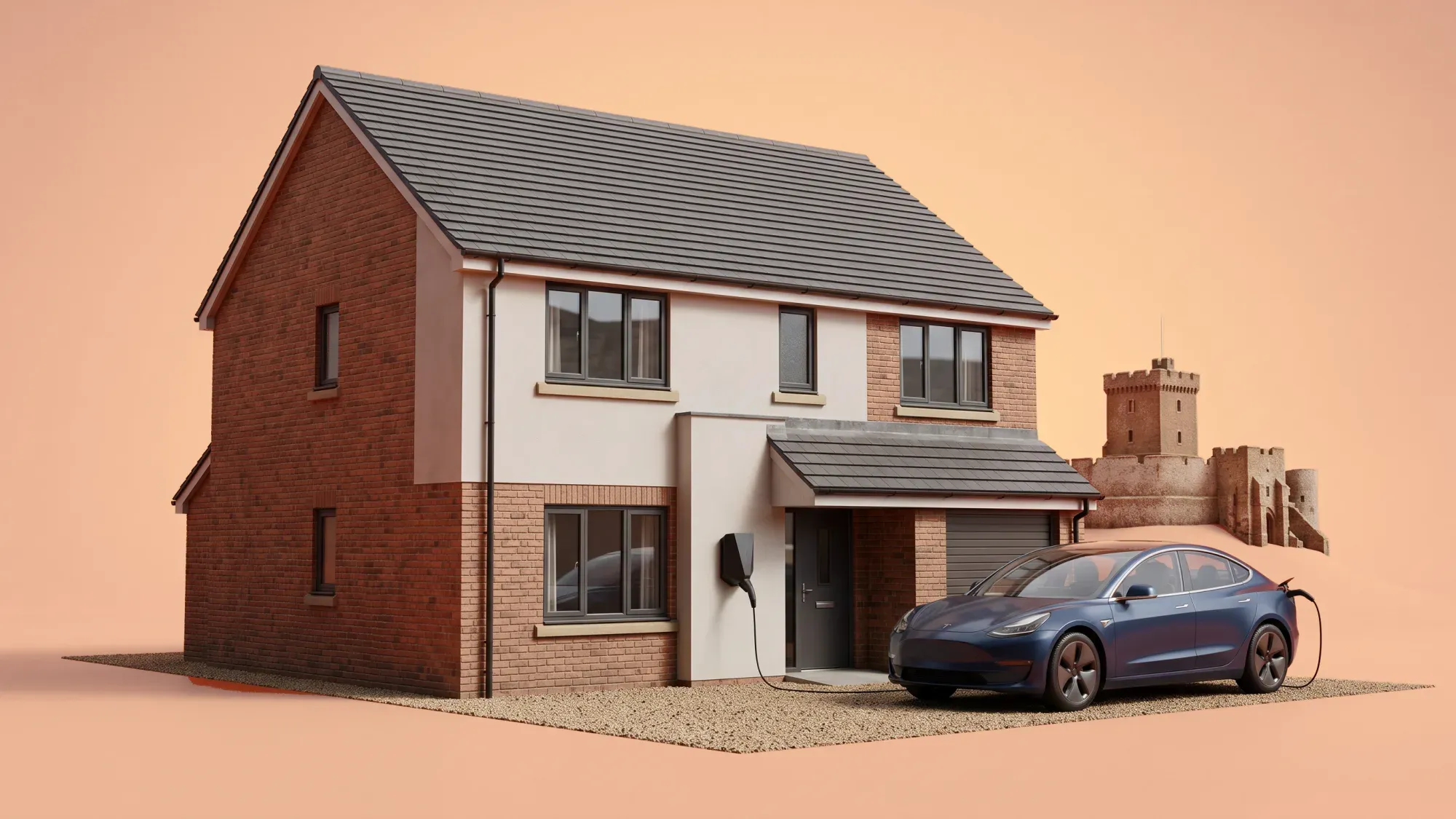
Installing an electric vehicle (EV charger) at home in East Sussex offers convenience and control over charging needs. From bustling coastal towns to rural properties, considerations for EV charger installation can vary. This guide provides locally-specific information for East Sussex residents, covering the process, costs, available grants, and finding reliable local installers.
Why consider a home EV charger in East Sussex?
The convenience of home charging
Having a dedicated EV charger at home means waking up to a fully charged vehicle every day. This eliminates the need to seek out public charging stations, saving time and offering greater flexibility for daily commutes or weekend trips across the scenic East Sussex countryside. Home charging is typically more cost-effective than relying on public infrastructure, especially when paired with an off-peak electricity tariff.
Supporting East Sussex's green future
Embracing home EV charging contributes directly to East Sussex's environmental goals. With nearly every road vehicle anticipated to be Zero-Emission by 2050, increasing home charging infrastructure is crucial for supporting this transition. Home charging empowers individual residents to play their part in reducing local emissions and supporting a cleaner environment.
Local considerations for East Sussex EV charger installation
Specific local factors in East Sussex can influence the planning and execution of your EV charger installation.
Understanding UK Power Networks (DNO)
The local Distribution Network Operator (DNO) for East Sussex is UK Power Networks. They are responsible for the electricity cables and infrastructure that deliver power to your home. Any new home EV charger installation, particularly those exceeding certain power thresholds, requires notification to UK Power Networks under the ENA connect-and-notify process. This ensures the safety and stability of the local electricity grid. Your chosen installer will typically handle this notification on your behalf.
What is the DNO notification process?
The connect-and-notify process refers to UK grid regulations for connecting energy equipment like EV chargers to the electricity network. The connect-and-notify route applies where the property's total demand stays at or below 60amps, with the DNO notified after installation. Larger or more complex installations need DNO approval before work starts. This ensures new connections do not destabilise the grid, and your installer usually manages the application with UK Power Networks.
East Sussex's electricity price cap region
East Sussex falls within the 'South East England' electricity distribution region for Ofgem's price cap. This means the unit rates and daily standing charges for electricity in East Sussex are determined by the regional cap set by Ofgem, which is updated quarterly (on 1 January, 1 April, 1 July, and 1 October). Understanding these regional variations is key to accurately estimating the running costs of your home EV charger.
Planning permissions and local housing stock
For most properties in East Sussex, installing a home EV charger on a driveway or in a garage does not require planning permission, as it typically falls under "permitted development rights". However, the diverse housing stock in East Sussex, which includes numerous listed buildings and properties within conservation areas, can introduce additional requirements. If your property is a listed building, you will need Listed Building Consent. If it is in a conservation area, while permitted development rights generally apply, local restrictions or Article 4 Directions might necessitate planning permission. It is always advisable to check with your local council before proceeding with installation, especially if your property has historical or architectural significance. For flats, consent from the freeholder or management company is also usually required.
Grants and funding for East Sussex residents
Government initiatives can significantly reduce the upfront cost of installing an EV charger.
OZEV EV Chargepoint Grant
The UK government offers several EV chargepoint grants through the Office for Zero Emission Vehicles (OZEV)1 to support the installation of home charging points. For renters and flat owners with private off-street parking, the EV Chargepoint Grant provides up to £500 towards installation costs. Similarly, households with on-street parking installing a cross-pavement solution can also receive up to £500 through the EV Chargepoint Grant for households with on-street parking. It is important to note that owner-occupiers in houses with private off-street parking are generally not eligible for these domestic grants. Customers apply for these grants themselves via the GOV.UK website, and the installer's role begins after the application is approved.
On-street charging initiatives (LEVI)
For East Sussex residents without off-street parking, local councils in England, including East Sussex County Council, are eligible for funding through the Local Electric Vehicle Infrastructure (LEVI) Fund2. This initiative aims to make EV charging more accessible across the county, particularly for residents without off-street parking, with delivery of new chargepoints expected to start later in 2024/25.
The EV charger installation process explained
Installing a home EV charger involves several key stages to ensure safety and compliance.
From assessment to connection
The process typically begins with an assessment of your home's electrical system and suitability for an EV charger. This includes checking your consumer unit for spare capacity and adequate RCD protection. Your installer will recommend a charger type that aligns with your home's electrical supply and your vehicle's charging needs. Once a charger is selected, the installer will handle the physical installation and the necessary notification to UK Power Networks under the ENA connect-and-notify or apply-to-connect process, depending on the charger's power output. This ensures your new connection is safely integrated into the local grid.
Choosing the right charger for your home
Selecting an OZEV-approved EV charger model that meets your specific requirements is crucial. Consider factors such as charging speed - for example, a 7kW charger3 is a common choice for home use - tethered versus untethered cables, and smart features that allow for scheduled charging or integration with home energy management systems. The charger should be compatible with your home's electrical capacity and future needs. Understanding how to pick the right home EV charger can help you make an informed decision.
Selecting a qualified EV charger installer in East Sussex
Choosing the right installer is paramount for a safe, compliant, and efficient EV charger installation.
Key qualities of a good installer
A qualified installer should be OZEV-approved, ensuring they meet government standards for grant eligibility and installation quality. They should also be familiar with local East Sussex regulations and UK Power Networks' requirements, including the DNO notification process. Look for installers who offer a comprehensive service, from initial assessment and quotation to handling all necessary paperwork and providing after-sales support. For more details on the overall process, you can read about EV charger installation.
Local vs national providers
You might consider both local East Sussex electricians and larger national providers. Local installers often have a deeper understanding of the specific challenges and regulations in the area, such as dealing with older property types or local council requirements. National providers might offer a wider range of charger options or more competitive pricing due to scale. Ultimately, the key is to choose a reputable company with certified electricians and a strong track record.
Maximising your EV charging efficiency in East Sussex
Once your EV charger is installed, optimising its use can lead to significant savings and better energy management.
Smart charging and energy management
Smart chargers allow you to schedule charging sessions during off-peak hours when electricity is cheaper, or when renewable energy generation is high. Integrating your EV charger into a broader home energy management strategy, perhaps through an app, can give you greater control over your energy consumption and costs. This puts you in charge of your energy use, turning your EV into a flexible asset within your home energy ecosystem.
Understanding running costs
Your running costs will largely depend on your electricity tariff and how efficiently you charge. As East Sussex is in the 'South East England' price cap region, your unit rates and standing charges will align with Ofgem's regional caps. Understanding how much an EV charger costs and by utilising smart charging features and potentially opting for an off-peak or time-of-use electricity tariff from your energy supplier, you can minimise the impact of these costs and make home charging as economical as possible.
References
- UK Government. Electric vehicle chargepoint grants
- UK Government. Local Electric Vehicle Infrastructure (LEVI) funding amounts
- Pro EV. 7kW Home Car Chargers
Disclaimer
For the avoidance of doubt, this article is provided for informational purposes only and is not intended to constitute legal or financial advice. The author and/or Fuse Energy shall not be responsible for any losses arising out of any reliance on the information contained herein.