EV charger installation in Buckinghamshire
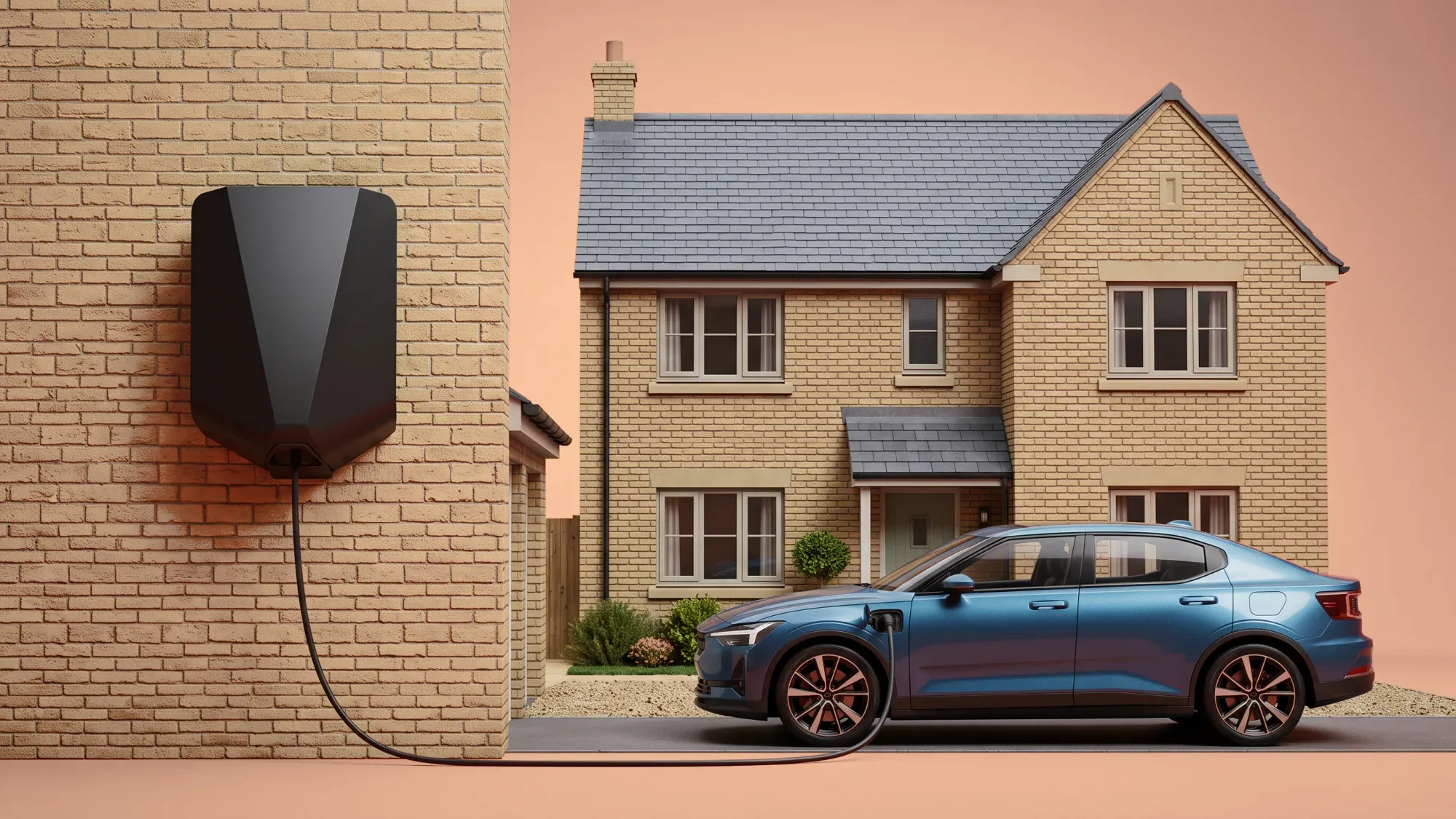
Installing an EV charger in Buckinghamshire involves navigating a unique landscape of historic towns, modern developments, and rural areas. Each property type presents distinct considerations for home energy infrastructure, from grid connection feasibility to the aesthetics of your chosen chargepoint. This guide provides clear, locally-relevant guidance for homeowners in Buckinghamshire, helping to ensure your EV charger installation is convenient, cost-effective, and compatible with your property and the local energy network.
Understanding EV charging in Buckinghamshire
Buckinghamshire's unique energy landscape
Buckinghamshire's diverse housing stock, ranging from period homes in villages to newer estates, means that a one-size-fits-all approach to EV charger installation rarely works. Older properties might require electrical system upgrades, while new builds often come with modern wiring ready for higher demands. Understanding these local nuances is crucial for a smooth installation.
The role of your distribution network operator (DNO)
Your local Distribution Network Operator (DNO) is responsible for maintaining the electricity network that delivers power to your home, not your energy supplier. This distinction is important because any new connection that draws significant power, such as an EV charger, must be notified to your DNO. If you experience a power cut, you should dial the free national number 105, which routes directly to your DNO. You can find your specific DNO by postcode using the Energy Networks Association (ENA) "Find my network operator" tool.
Regional energy costs and the price cap
The maximum unit rates and daily standing charges for electricity can differ across Great Britain due to the cost of distributing electricity through local cables and pipes. These regional variations are set by Ofgem's price cap, which is reviewed and updated quarterly. Understanding these variations is essential for optimising your EV charging costs, as they directly impact how much you pay per kilowatt-hour.
The EV charger installation process
Initial assessment and site survey
Before any installation begins, a qualified installer will conduct an initial assessment of your property. This involves evaluating your home's electrical system, checking for sufficient power supply, and determining the best location for your EV charger. Factors like proximity to your parking space, cable routing, and the capacity of your consumer unit (fuse box) are all considered. You can learn more about the process of EV charger installation in the UK.
Grid connection and DNO notification
A new home EV charger connection must be notified to your DNO under the ENA connect-and-notify process. This process ensures your installation is safe and complies with regulations for grid-connected devices. For smaller systems, a connect-and-notify submission is submitted to the DNO after installation. Larger systems require an apply-to-connect application, which must be approved by your DNO before installation can proceed. Your chosen installer usually handles all the necessary paperwork and communication with your DNO on your behalf.
What is the ENA connect-and-notify process for EV chargers?
The connect-and-notify process refers to the technical standards for connecting small-scale energy equipment, like EV chargers, to the electricity grid. The connect-and-notify route applies where the property's total demand stays at or below 60amps, with the DNO notified after installation. Larger or more complex installations need DNO approval before work starts.
Installation and testing
Once all approvals are in place, the physical installation of your EV charger can begin. This typically involves mounting the chargepoint, running cables from your consumer unit, and connecting it to the mains electricity supply. After installation, the charger will be thoroughly tested to ensure it operates safely and correctly, and your installer will provide a demonstration of its features.
Choosing the right charger and installer
Types of home EV chargers
Home EV chargers come in various types, primarily differing in power output and smart features. A common residential charger, such as the Easee One, typically offers 7.4 kW, which is suitable for overnight charging for most electric vehicles (EVs). Faster charging options are available, but these often require a three-phase electricity supply, which is less common in UK homes. Chargers can also be tethered (with a cable permanently attached) or untethered (requiring you to use your car's charging cable). To help you decide, consider our guide on how to pick the right home EV charger.
Key features to consider
When selecting an EV charger, consider features such as smart charging capabilities, which allow you to schedule charging during off-peak hours to save money. Look for chargers with app integration for remote control and monitoring. Compatibility with your specific EV model and future-proofing for potential vehicle upgrades are also important.
Selecting a qualified Buckinghamshire installer
Choosing a qualified and reputable installer with experience operating in Buckinghamshire is paramount. A local installer will have a better understanding of the regional grid infrastructure, specific planning considerations, and common housing types. Ensure your installer is OZEV-authorised if you plan to apply for any grants, and check their accreditations and customer reviews.
Grants and local support for EV charging
The UK government offers several OZEV (Office for Zero Emission Vehicles) EV chargepoint grants to provide financial support for eligible installations1.
The EV Chargepoint Grant for renters and flat owners provides up to £500 towards installing a chargepoint at the property. This grant is available if you own and live in a flat, or if you rent and live in any residential property, provided you have private off-street parking.
Additionally, the EV Chargepoint Grant for households with on-street parking offers up to £500 towards installing a chargepoint at the property. To be eligible, you must own or rent the property, have only on-street parking, and be installing a cross-pavement solution, such as a charging gully.
For all current domestic OZEV chargepoint grants, the customer applies for the grant themselves via the GOV.UK eligibility/application page. The OZEV-authorised installer's role begins only after the customer's application is approved.
While these are national programmes, it is worth checking with Buckinghamshire Council for any specific local initiatives or grants that might be available to support EV charger installation or public charging infrastructure development in your area.
Integrating your EV charger with home energy
Smart charging for cost savings
Smart charging allows your EV charger to communicate with the grid, scheduling charging sessions when electricity demand is low and prices are cheaper. Optimising charging times can lead to significant savings on your electricity bills. This intelligent approach ensures you charge your vehicle efficiently and cost-effectively.
EV charging and renewable energy
Integrating your EV charger with renewable energy sources, such as rooftop solar panels or home battery storage, can further enhance your energy independence and reduce running costs. Charging your EV directly from your own generated solar power minimises reliance on grid electricity and maximises the return on your renewable energy investment.
Future-proofing your home energy
Installing an EV charger is a step towards a more sustainable and energy-efficient home. Fuse Energy views EV charging as an integral part of a modern, efficient home energy system. By considering how your EV charger integrates with broader home energy management - including potential solar, battery storage, and smart tariffs - you can future-proof your property and gain greater control over your energy usage. This aligns with Fuse's vision of empowering homeowners to unlock abundant, smart EV charging and holistic home energy control, offering more freedom and capability.
References
- UK Government. Electric vehicle chargepoint grants
Disclaimer
For the avoidance of doubt, this article is provided for informational purposes only and is not intended to constitute legal or financial advice. The author and/or Fuse Energy shall not be responsible for any losses arising out of any reliance on the information contained herein.