Optimising your home energy usage
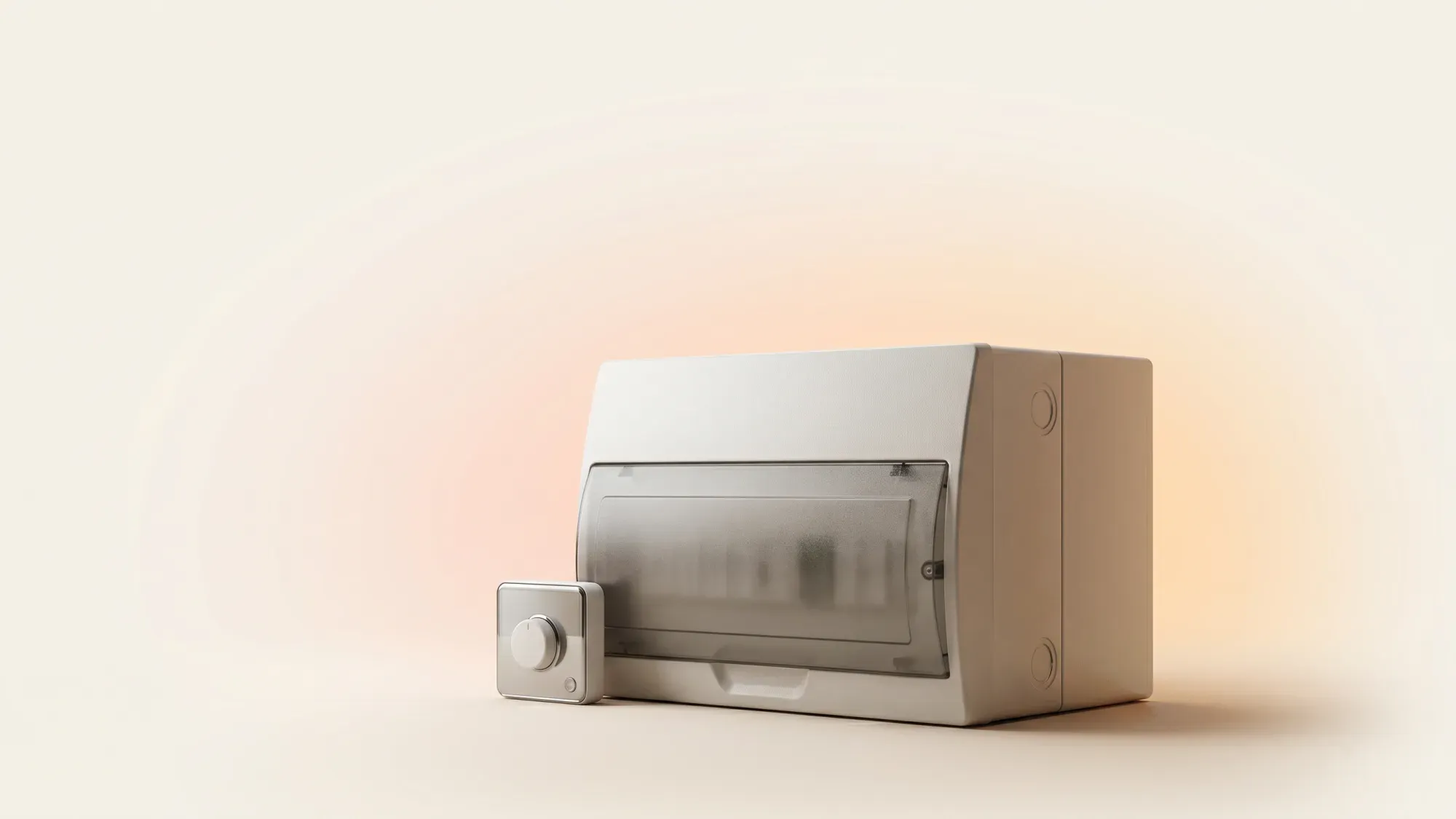
Understanding your home's energy consumption can feel daunting, often leading to anxiety over bills and a sense of powerlessness. However, actively managing your energy usage can lead to significant financial savings and increased comfort. This guide will help you understand, track, and optimise your household energy, reframing efficiency as a path to greater control and capability.
Taking control of your energy usage starts with clear information and smart tools. Fuse Energy provides the insights you need to make informed decisions about your home's energy. Click here to switch to Fuse Energy today.
Enter your address to get a quote and see how much you could save
What is your home's energy usage?
Knowing how much energy your home uses is the first step towards managing it effectively. This involves looking at typical consumption figures and the unique factors that influence your household's demand.
Average electricity usage in the UK
The average UK home uses around 2,500 kWh of electricity per year. This figure, provided by Ofgem, the UK's energy regulator, serves as a benchmark for a medium-sized household. This is a reduction from previous years, reflecting a trend towards increased energy efficiency.
Average gas usage in the UK
For gas, the average UK home consumes approximately 9,500 kWh per year. Like electricity, this is a medium usage benchmark set by Ofgem and has been revised downwards to reflect changes in household energy use.
Factors influencing your consumption
Several factors dictate how much energy your home consumes, often making your usage higher or lower than the national average. These include the size and age of your property, its insulation levels, the number of occupants, the efficiency of your appliances, and your daily habits. For instance, a larger, older home with poor insulation will naturally require more energy to heat than a modern, well-insulated flat. Similarly, households with more occupants or those frequently using energy-intensive appliances will see higher consumption.
Tracking your energy consumption
Once you understand the basics of energy usage, the next step is to track your own consumption to identify patterns and areas for improvement.
The role of smart meters
Smart meters are a powerful tool for understanding your energy use. They provide half-hourly electricity usage data, offering granular insights into consumption patterns. This real-time information allows you to see exactly when and how much energy your home is using, moving beyond estimated bills to actual, precise data. An in-home display, often accompanying a smart meter, allows you to track your usage in near real-time, showing what it adds up to in pounds and pence.
How often are smart meter readings sent?
Smart meters automatically send readings to your energy supplier, typically providing half-hourly electricity usage data. This eliminates the need for manual readings and ensures your bills are based on actual consumption rather than estimates, offering a clear view of your energy patterns.
Understanding your energy bills
Energy bills are typically issued on the second working day of each month, covering usage from the first to the last day of the previous month. These bills detail your consumption in kilowatt-hours (kWh) and the associated costs, including unit rates and standing charges. Understanding the breakdown of your bill is crucial for identifying where your money is going and verifying that you are being charged for your actual usage, not just estimates.
Identifying high-consuming appliances
With the detailed data from a smart meter, you can pinpoint which appliances or activities are consuming the most energy. By observing spikes in your usage data, you can identify when certain appliances are running and how much power they draw. This insight allows you to make informed decisions about appliance usage, potentially leading to significant savings.
Strategies for optimising energy usage
Optimising your energy usage doesn't have to mean sacrificing comfort; it's about making smarter, more informed choices.
Smart home integration for efficiency
Integrating smart home technology can automate and simplify energy optimisation. Smart thermostats, for example, can learn your schedule and adjust heating or cooling to maximise efficiency without you constantly needing to intervene. Smart plugs can turn off appliances when not in use, preventing 'phantom load' or 'vampire drain'. These systems work best when connected to the granular data provided by smart meters, allowing for truly intelligent energy management.
Leveraging off-peak tariffs
With a smart meter, you can take advantage of time-of-use or off-peak tariffs. These tariffs offer cheaper electricity rates during certain hours, typically overnight. By shifting high-energy tasks, such as charging an electric vehicle or running a washing machine, to these off-peak periods, you can significantly reduce your energy costs.
Practical tips for everyday savings
Beyond smart technology, everyday habits play a large role in energy consumption. Simple actions like draught-proofing your home, ensuring your appliances are running efficiently, and only heating the rooms you are using can make a difference. For example, understanding the efficiency of air source heat pumps can help you make informed heating choices, while considering air conditioning installation might be part of a broader strategy for managing indoor climate. The goal is to make conscious choices about when and how you use energy, rather than simply trying to "use less" across the board.
The benefits of proactive energy management
Taking an active role in managing your home's energy usage offers multiple advantages.
Financial savings and budgeting
The most immediate benefit is often financial. By understanding and optimising your consumption, you can reduce your energy bills, freeing up money for other priorities. Proactive management also allows for better budgeting, as you gain a clearer picture of your expected costs and can avoid payment surprises.
Increased comfort and control
Energy optimisation is not about discomfort; it's about control. By making informed decisions, you can maintain or even enhance your home's comfort levels while using energy more efficiently. This control reduces anxiety over bills and empowers you to manage your home's environment effectively.
Environmental impact
While personal savings are a key driver, optimising energy usage also contributes to a reduced environmental footprint. More efficient energy use means less demand on power grids, which can lead to lower carbon emissions overall.
Empowering your energy future with Fuse
Fuse Energy is committed to empowering homeowners to take control of their energy usage, transforming anxiety into capability.
Real-time insights and support
Fuse's approach centres on providing real-time insights through its app, leveraging smart meter capabilities to give you granular data and tools for informed energy decisions. Should you need assistance, 24/7 human customer support is available to help you understand and optimise your energy usage.
Reframing energy optimisation
At Fuse, energy optimisation isn't about sacrifice or guilt; it's about gaining more comfort and control. We believe in a future where abundant energy empowers you, turning energy management into a way to enhance your lifestyle and make smarter choices, rather than constantly worrying about consumption.
Managing your home's energy doesn't have to be complicated. Fuse Energy offers clear pricing, real-time usage data through our app, and 24/7 human customer support to help you make the most of your energy. Switching is quick and easy, putting you in control of your bills from day one. Discover a smarter way to manage your energy. Click here to switch to Fuse Energy today. You can also learn more about our mission to build a future with abundant energy here.
Disclaimer
For the avoidance of doubt, this article is provided for informational purposes only and is not intended to constitute legal or financial advice. The author and/or Fuse Energy shall not be responsible for any losses arising out of any reliance on the information contained herein.