Energy FIT for your home
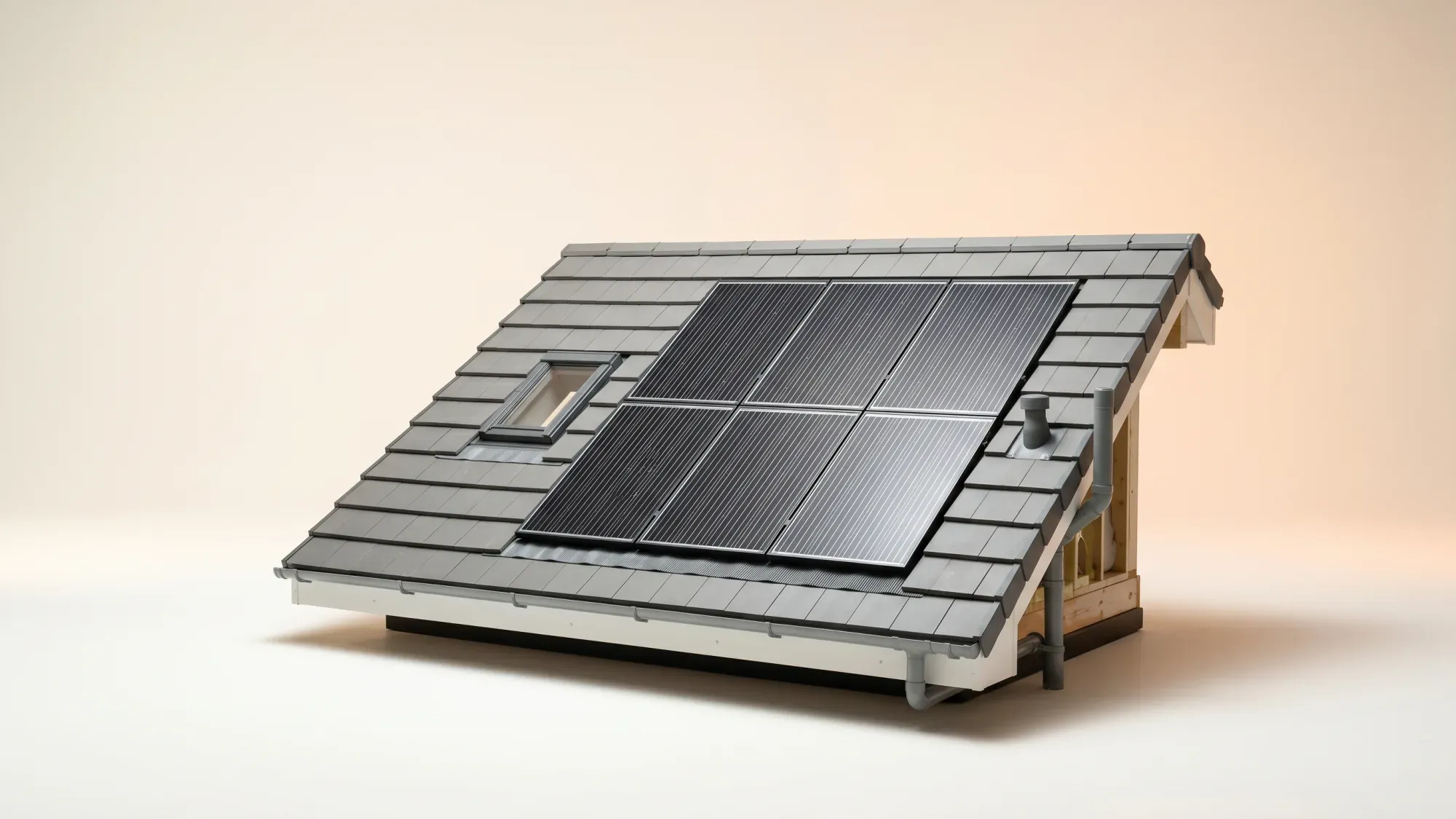
An energy fit home intelligently manages its energy consumption and generation, moving beyond simply reducing usage to optimising how you generate, store, and consume power. This modern approach empowers you with greater control and a sense of abundance, transforming energy from a source of worry into an enabler of comfort and capability.
Taking control of your home's energy can feel daunting, but it doesn't have to be. Fuse Energy provides the tools and insights you need to manage your home's power effectively. Click here to start your journey towards an energy fit home today.
Enter your address to get a quote and see how much you could save
What energy FIT means for your home
Beyond traditional efficiency
Traditional energy efficiency often focuses on a "use less" narrative, which can feel restrictive. Being energy fit, however, is about smart usage and optimisation. It's about ensuring your home's energy systems work in harmony, allowing you to have more comfort and capability, rather than constantly sacrificing. This holistic approach considers all aspects of home energy, from how it's brought in, to how it's used, stored, and even generated.
The shift from Feed-in Tariffs
The term energy fit is sometimes confused with the Feed-in Tariff (FiT) scheme, a UK government programme designed to promote small-scale renewable electricity generation. However, the FiT scheme closed to new applications on 31 March 2019, marking a shift in how the UK approaches home energy generation and management. Modern energy fit strategies focus on active management and smart technology, rather than relying on legacy payment schemes. While FiT was about being paid for generating power, energy fitness is about integrating generation, storage, and consumption for overall home energy optimisation.
The benefits of an energy FIT home
Greater control over costs
An energy fit home gives you unprecedented control over your energy bills. By understanding your consumption patterns and optimising usage, you can minimise reliance on expensive grid electricity during peak times. This proactive management helps you avoid unexpected costs and makes your energy expenditure more predictable.
Enhanced energy resilience
Achieving energy fitness builds resilience against market volatility and potential supply disruptions. By generating and storing some of your own energy, you reduce your dependence on external factors. This means less worry about price hikes or power cuts, offering a greater sense of security for your household.
A sense of abundance
Fuse's vision of an energy fit future is one where energy is abundant, giving homeowners "power to play with" rather than constantly "using less". This approach fosters a sense of abundance, where informed decisions about energy use lead to more comfort, more capability, and less anxiety about your bills.
Key components of energy fitness
Smart meters and data insights
Smart meters are fundamental to achieving energy fitness. They enable automated readings and unlock eligibility for smart-meter-dependent tariff features, providing real-time data on your energy consumption. This data is crucial for understanding where and when you use the most energy, allowing for informed decisions and optimisation.
What is the average UK home's electricity use?
The average UK home uses around 2,500 kWh of electricity per year. This figure, a medium typical domestic consumption value, helps homeowners benchmark their usage and identify opportunities for optimisation within their energy fit journey.
Home energy generation and storage
Integrating renewable energy sources, such as solar panels, and energy storage solutions like home batteries, are key components of an energy fit home. These technologies allow you to generate your own clean electricity and store it for later use, reducing your reliance on the grid and increasing your energy independence. For example, understanding your air source heat pump efficiency can significantly impact your overall energy strategy.
Intelligent appliance management
Smart appliances and home energy management systems allow you to control and optimise your energy use with precision. From scheduling high-energy appliances to run during off-peak hours to automatically adjusting heating based on occupancy, intelligent management ensures your home operates at peak energy efficiency. This can include managing systems like air conditioning installation to work more effectively with your energy generation.
Achieving energy FIT with smart management
Understanding your consumption
The first step towards an energy fit home is understanding your current energy consumption patterns. Tools that provide detailed breakdowns of your usage, often available through smart meter data, can highlight areas where you can make the most impact. The average UK home uses around 2,500 kWh of electricity per year, providing a useful benchmark for comparison.
Leveraging smart technology
Modern home energy management relies heavily on smart technology. Fuse's app and smart meter integration offer homeowners the tools to gain unprecedented control over their energy use and costs. These digital platforms provide insights, allow for remote management, and help you make the most of smart tariffs.
Continuous optimisation
Achieving energy fitness is an ongoing process, not a one-off task. Regularly reviewing your energy strategy, adapting to new technologies, and optimising based on real-time data ensures continuous improvement. This iterative approach helps you maintain control, maximise savings, and enhance your home's energy resilience over time.
The future of home energy
Empowering homeowners
The future of home energy is about empowering homeowners. By providing the tools and knowledge to manage their energy effectively, companies like Fuse are shifting the balance of power, giving individuals more control and capability. Fuse Energy offers 24/7 human customer support to help homeowners navigate their journey towards an energy fit home, ensuring assistance is always available.
Building a resilient energy system
Fuse's approach to smart energy management helps homeowners contribute to a more resilient and efficient energy system. By moving beyond legacy schemes like FiT and embracing active optimisation, homeowners play a vital role in creating a future where energy is abundant and readily available for everyone.
Managing your home's energy should be clear and easy. Fuse Energy focuses on straightforward pricing, so you can see exactly what you're paying without unnecessary complexity. If you have a smart meter, you can view detailed usage data through the app or website, helping you understand how you can lower your bills. Our 24/7 human support team is always on hand with fast response times whenever you need help. Click here to switch to Fuse Energy today. Find out about our mission by clicking here.
Disclaimer
For the avoidance of doubt, this article is provided for informational purposes only and is not intended to constitute legal or financial advice. The author and/or Fuse Energy shall not be responsible for any losses arising out of any reliance on the information contained herein.