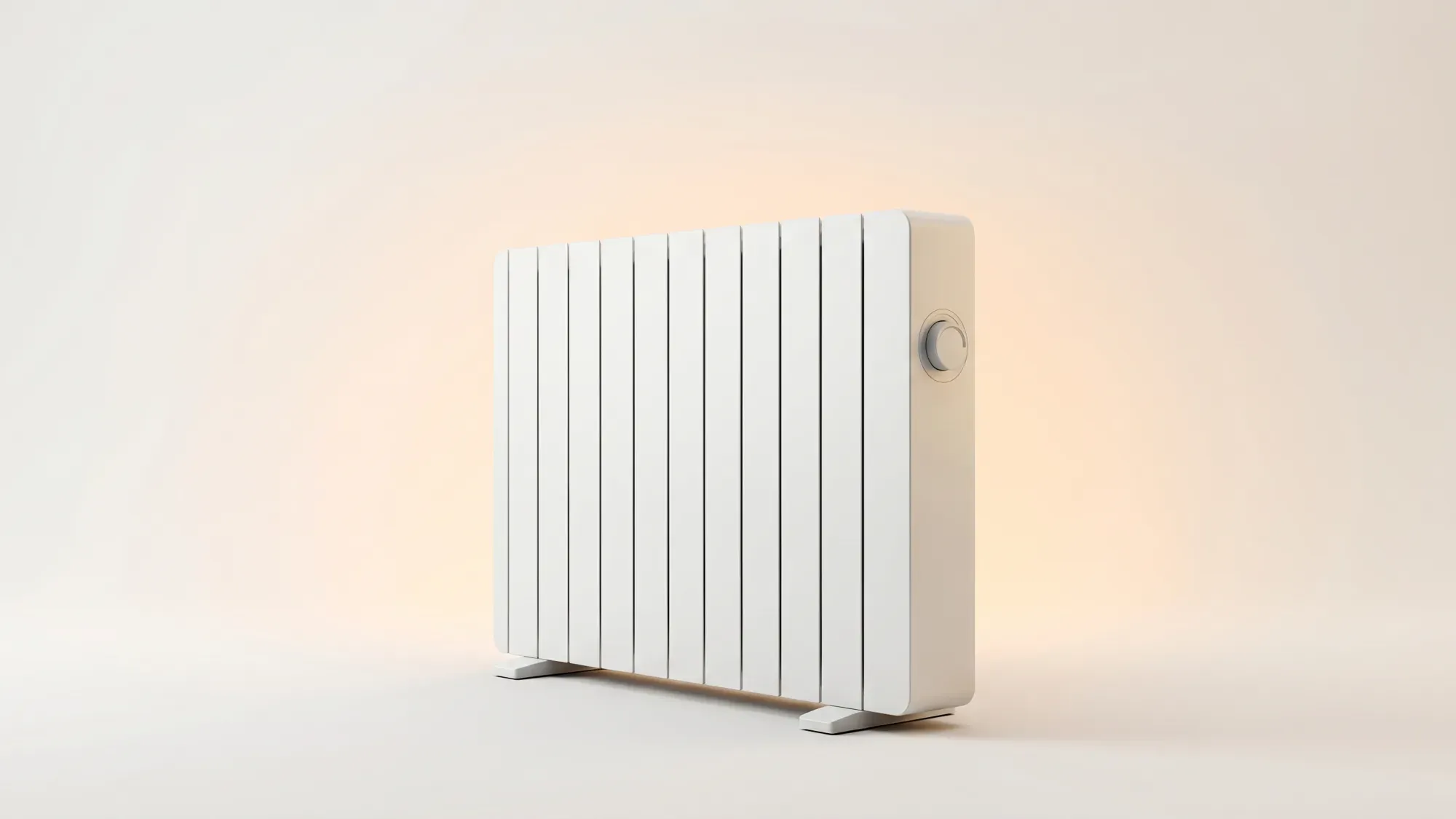
Reducing heating bills and improving home comfort is a key concern for many UK households. This guide explains how to choose the right energy-efficient heater for your needs and manage its use intelligently to keep your home warm without excessive costs.
Fuse Energy helps you manage your home's energy consumption, including efficient heating, by providing clear insights and smart tariff options. Click here to switch to Fuse Energy today.
What defines an energy efficient heater?
An energy-efficient heater effectively converts electrical energy into heat. Most electric heaters are highly efficient at converting electricity into heat, often approaching 100% efficiency at the point of use. However, true efficiency extends beyond the appliance itself. In practice, a heater's "efficiency" depends heavily on factors like its control features, how heat is distributed, and how smartly it is used. An effective heating solution considers how well heat is distributed, retained within your home, and managed to meet your specific needs.
The crucial role of home insulation
Even the most advanced heater struggles to warm a poorly insulated home. Significant heat loss through walls, roofs, windows, and floors can make any heating system inefficient, leading to wasted energy and higher bills. Before investing in a new heater, assess your home's insulation and address major heat loss areas. Improving insulation is often the most cost-effective step to maximise the efficiency of any heating system.
Panel heaters and convectors
Panel heaters and convectors offer quick, responsive heat. They work by drawing in cold air, heating it over an element, and releasing it into the room. Modern models often include thermostats and timers for better control, making them suitable for rooms needing occasional, rapid heating.
Oil-filled radiators
Oil-filled radiators heat a thermal oil reservoir inside the unit, which then radiates heat into the room. They take longer to heat up but retain warmth for an extended period after being switched off, offering a consistent background heat. This makes them a good option for maintaining warmth in frequently used rooms.
Infrared heaters
Infrared heaters work by emitting radiant heat that directly warms objects and people in a room, rather than heating the air. This can feel more immediate and comfortable, especially in draughty areas or for targeted heating. They are often considered efficient for specific zones or rooms where constant air heating is not required.
Storage heaters
Storage heaters are designed to take advantage of cheaper off-peak electricity tariffs. They store heat during these periods, typically overnight, and release it slowly throughout the day. While they can be cost-effective if used with a suitable tariff, their effectiveness depends on accurate forecasting of heating needs and the availability of off-peak electricity. You can learn more about how different tariffs work, including dual-rate options, in our guide to air source heat pump running cost.
Assessing room size and usage
The size of your room and how you use it are critical factors in choosing the right heater. A small, well-insulated room might only need a low-wattage panel heater, while a larger, frequently used living area could benefit from an oil-filled radiator or a more powerful convector. Overheating rooms or heating unoccupied spaces leads to wasted energy.
Key features: thermostats, timers, and smart controls
Modern energy-efficient heaters come with features that allow for precise control over your heating. Thermostats maintain a desired temperature, preventing overheating. Timers allow you to set heating schedules, ensuring your heater only operates when needed. Smart controls, often integrated with apps, offer even greater flexibility, allowing you to manage your heating remotely and adapt to changing schedules.
Installation and portability considerations
Consider whether you need a portable heater for flexible use across different rooms or a fixed installation. Portable heaters offer convenience but may not be suitable for primary heating in larger spaces. Fixed electric radiators can provide more consistent and integrated heating but may require professional installation. For more information on home energy upgrades, you might find our article on air conditioning installation useful.
Calculating your heater's running costs
Understanding the running costs of your electric heater is essential for managing your energy budget. The average UK home uses around 2,500 kWh of electricity per year. To estimate the cost, multiply the heater's wattage (in kW) by the number of hours it runs and then by your electricity unit rate. For example, a 2kW heater running for 5 hours a day at 26.11p per kWh would cost approximately £2.61 per day.
Smart usage tips for electric heaters
Optimising your heater's usage goes beyond just selecting an efficient model. Use thermostats to set your desired temperature and avoid constantly adjusting it. Employ timers to heat rooms only when occupied. Avoid heating unoccupied spaces and ensure doors and windows are closed to prevent heat loss. These simple habits can significantly reduce your energy consumption.
Leveraging smart tariffs for cheaper heating
Smart meters enable access to time-of-use tariffs, which can offer cheaper electricity during off-peak hours. By programming your energy-efficient heater to operate more during these cheaper periods, you can significantly reduce your running costs. This is particularly effective for storage heaters or pre-heating rooms before peak rates apply.
Fuse Energy helps you intelligently power and manage your energy-efficient heaters for maximum savings and comfort through smart tariffs and app features.
Monitoring your heating costs with the Fuse app
The Fuse app provides real-time insights into your energy consumption, allowing you to monitor the actual cost of your heating and make informed adjustments. This transparency gives you greater control over your energy usage and helps you identify areas for further savings.
Managing your home's warmth with smart tariffs
Fuse's smart tariffs enable customers to leverage cheaper off-peak periods to run their energy-efficient heaters, maximising savings. This approach helps you adapt to fluctuating energy prices and ensures your heating strategy remains cost-effective and comfortable in the long term. The Fuse app helps you manage your energy consumption from efficient heaters by providing insights and enabling smart tariff usage.
Future-proofing your heating strategy
By combining energy-efficient heaters with smart energy management, you can create a heating strategy that is both cost-effective and comfortable. Fuse's focus on transparent pricing and real-time data empowers you to make informed decisions about your energy use, helping you to future-proof your home against rising energy costs.
Managing your energy bills should be clear and easy to understand. Fuse Energy focuses on straightforward pricing, so you can see exactly what you're paying without unnecessary complexity. If you have a smart meter, you can view detailed usage data through the app or website, helping you understand how you can lower your bills. If you don't have a smart meter, Fuse Energy can upgrade your non-smart meter, completely for free. This can make it easier to track spending and make informed decisions about your energy use. Our 24/7 human support team is always on hand with fast response times of under 5 minutes whenever you need help. Click here to switch to Fuse Energy today. Find out about our mission by clicking here.