Economy 10 tariff explained
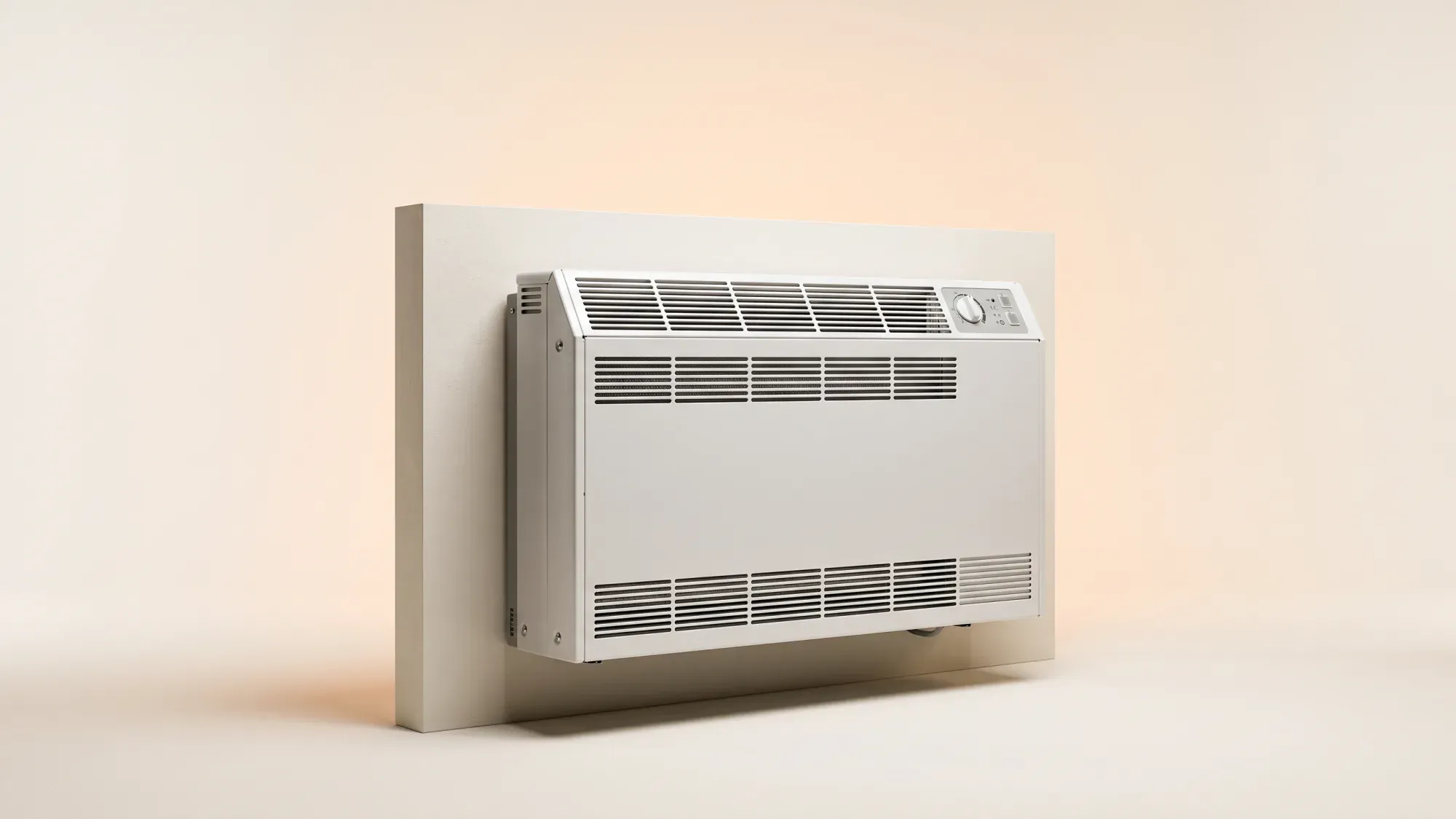
An Economy 10 tariff is a multi-rate electricity plan designed to offer 10 hours of cheaper electricity each day, spread across different times, rather than a single continuous block. This tariff structure aims to help households reduce their electricity bills by encouraging them to shift high-energy activities to these specific off-peak windows. It requires a multi-rate meter, either a traditional multi-register meter or a smart meter, to track consumption during the different pricing periods.
If you're looking to understand how different tariffs can impact your energy bills, exploring options like Economy 10 is a great start. Fuse Energy offers modern dual-rate tariffs designed to help you manage your electricity usage effectively. Click here to see how Fuse can help you take control of your energy.
Enter your address to get a quote and see how much you could save
What is an Economy 10 tariff?
An Economy 10 tariff is an electricity plan that charges different rates for electricity depending on the time of day it is used. Unlike standard tariffs with a flat rate, Economy 10 divides the 24-hour cycle into peak and off-peak periods, with the off-peak hours offering significantly lower unit rates.
Understanding the three-tier system
The core principle of Economy 10 is its multi-rate structure, typically featuring three distinct pricing periods: a peak rate, a shoulder rate, and an off-peak rate. The 10 hours of cheaper electricity are usually broken down into three separate blocks throughout the day and night, with the remaining 14 hours charged at a higher, peak rate.
Typical Economy 10 timings
The specific off-peak times for Economy 10 tariffs are not universal; they can vary significantly based on your energy supplier and geographical region within the UK. However, these tariffs commonly offer cheaper rates during a longer night-time period, a shorter afternoon period, and a shorter evening period. These hours can also change when the clocks go forward or back for daylight saving.
Economy 10 vs Economy 7: key differences
Both Economy 10 and Economy 7 are multi-rate tariffs, but they differ in the number and distribution of cheaper hours.
Off-peak hours and flexibility
The primary difference lies in the name: Economy 10 provides ten hours of cheaper electricity, while Economy 7 offers seven hours. Economy 7 typically provides a single, continuous 7-hour off-peak window, usually overnight. Economy 10, in contrast, splits its 10 cheaper hours across the day, often with periods overnight, in the afternoon, and in the evening. This split schedule offers more opportunities to take advantage of cheaper rates, potentially at more convenient times. For more details on Economy 7, you can read our Economy 7 tariff explained article.
Suitability for different lifestyles
Economy 7 is often best suited for households with significant overnight electricity use, such as those with storage heaters or electric vehicles that can charge exclusively during the night. Economy 10, with its more spread-out off-peak periods, can be a better fit for households that can shift some daytime or early evening usage, in addition to overnight consumption. For example, if you work from home and can run appliances in the afternoon, or if you have an electric vehicle that can charge during a late evening slot, Economy 10 might offer more flexibility.
Benefits and drawbacks of Economy 10
Understanding the advantages and disadvantages of Economy 10 is crucial before considering a switch.
Potential for savings
The main advantage of an Economy 10 tariff is the potential for significant savings on your electricity bills. By consciously shifting a substantial portion of your energy use to the ten cheaper off-peak hours, you can reduce your overall cost per unit of electricity. This is particularly beneficial for high-energy activities like running washing machines, tumble dryers, dishwashers, or charging electric vehicles. Off-peak rates on an Economy 10 tariff could be significantly lower than peak-time rates.
How much can shifting energy usage save?
Shifting a significant portion of electricity consumption to off-peak hours can lead to substantial savings for households on time-of-use tariffs. This strategy is especially effective for high-consumption appliances like electric vehicle chargers or storage heaters, allowing users to capitalise on lower rates during less demanded periods.
Challenges and higher peak rates
A key drawback of Economy 10 tariffs is that the peak rate for electricity is typically higher than the flat rate on a standard tariff. Additionally, some multi-rate tariffs may come with slightly higher standing charges. If you struggle to shift enough of your usage to the off-peak windows, these higher peak rates could result in higher overall bills compared to a standard single-rate tariff. It is crucial to assess your ability to adapt your energy consumption patterns before switching.
Is Economy 10 right for your home?
Deciding if an Economy 10 tariff is suitable involves a careful assessment of your household's energy consumption patterns and your willingness to adapt.
Assessing your energy usage
Start by understanding when you use the most electricity. Review your past energy bills or use a smart meter's data to identify your peak usage times. If a significant portion of your electricity consumption already occurs during potential off-peak hours, or if you can easily adjust your routine, Economy 10 could be a good fit. The average UK home uses around 2,500 kWh of electricity per year, effective 1 July 2026. If you primarily use electricity during peak hours, an Economy 10 tariff could be more expensive.
Meter requirements: smart vs traditional
To benefit from an Economy 10 tariff, you need a compatible multi-rate meter, such as a smart meter or a traditional multi-register meter, which can record consumption during different time bands. Historically, dual-rate tariffs required a traditional multi-register meter with two sets of readings (one for day and one for night). Today, smart meters are the modern solution for off-peak tariffs, automatically recording and sending consumption data for both peak and off-peak periods.
Some older multi-rate meters rely on the Radio Teleswitch Service (RTS) to switch between peak and off-peak rates. This legacy technology is being phased out across Great Britain, with the signal switch-off having started from 30 June 2025. If you have an RTS meter, your energy supplier should have already contacted you to arrange an upgrade to a smart meter or an alternative metering solution. This upgrade is essential to avoid potential disruption to your heating and hot water systems.
Optimising your energy use on Economy 10
Maximising savings on an Economy 10 tariff requires a proactive approach to managing your electricity consumption.
Shifting high-consumption activities
The key to saving money with Economy 10 is to shift as much of your high-consumption electricity usage as possible to the cheaper off-peak and shoulder periods. This includes appliances like washing machines, tumble dryers, dishwashers, and electric vehicle chargers. For homes with electric heating systems, such as storage heaters or hot water tanks with an immersion heater, charging them during off-peak hours can significantly reduce costs. Setting timers on these appliances can automate this process, ensuring they run when electricity is cheapest.
Leveraging smart home technology
Smart meters are fundamental to modern time-of-use tariffs, providing real-time insights into your electricity consumption. This data empowers you to make informed choices about your energy usage. Smart home devices, such as smart plugs and smart thermostats, can be programmed to automate the operation of appliances during off-peak hours, further enhancing your ability to optimise energy use without constant manual intervention. For more information on getting one, see our guide to smart meter installation. This integration allows for greater control and flexibility, moving beyond a scarcity mindset by giving you the tools to manage your energy effectively.
Modern dual-rate tariffs: an evolution of Economy 10
The energy landscape is evolving, with modern dual-rate tariffs building on the principles of Economy 10 to offer greater control and optimisation.
Smart meter integration and control
Modern dual-rate tariffs leverage smart meter technology to provide more flexible and dynamic pricing structures than traditional Economy 10. These tariffs make the most of real-time information from your smart meter, offering flexible ways to manage energy costs. They are designed to reward you for using electricity when it is cheaper and greener, often including options tailored for EV charging. Smart meters eliminate the need for manual readings and enable more accurate billing, providing the foundation for these advanced tariffs.
Fuse's approach to flexible energy
Fuse Energy does not offer a traditional 'Economy 10' tariff. Instead, Fuse provides modern dual-rate variable and fixed tariffs that serve a similar purpose for smart meter users. These tariffs are designed to evolve beyond traditional Economy 10, offering greater control and optimisation through smart meter technology. Fuse's app and smart meter integration provide customers with the tools to actively manage their energy usage and maximise savings on dual-rate tariffs. This approach aligns with Fuse's philosophy of providing "power to play with," giving customers control and flexibility over their energy usage. Fuse also offers 24/7 human customer support to assist customers in understanding and optimising their energy usage with dual-rate tariffs.
Managing your energy bills should be clear and easy to understand. Fuse Energy focuses on straightforward pricing, so you can see exactly what you're paying without unnecessary complexity. If you have a smart meter, you can view detailed usage data through the app or website, helping you understand how you can lower your bills. If you don't have a smart meter, Fuse Energy can upgrade your non-smart meter, completely for free. Our 24/7 human support team is always on hand with fast response times whenever you need help. Click here to switch to Fuse Energy today. Find out about our mission by clicking here.
Disclaimer
For the avoidance of doubt, this article is provided for informational purposes only and is not intended to constitute legal or financial advice. The author and/or Fuse Energy shall not be responsible for any losses arising out of any reliance on the information contained herein.