Smart meters: your guide to home energy
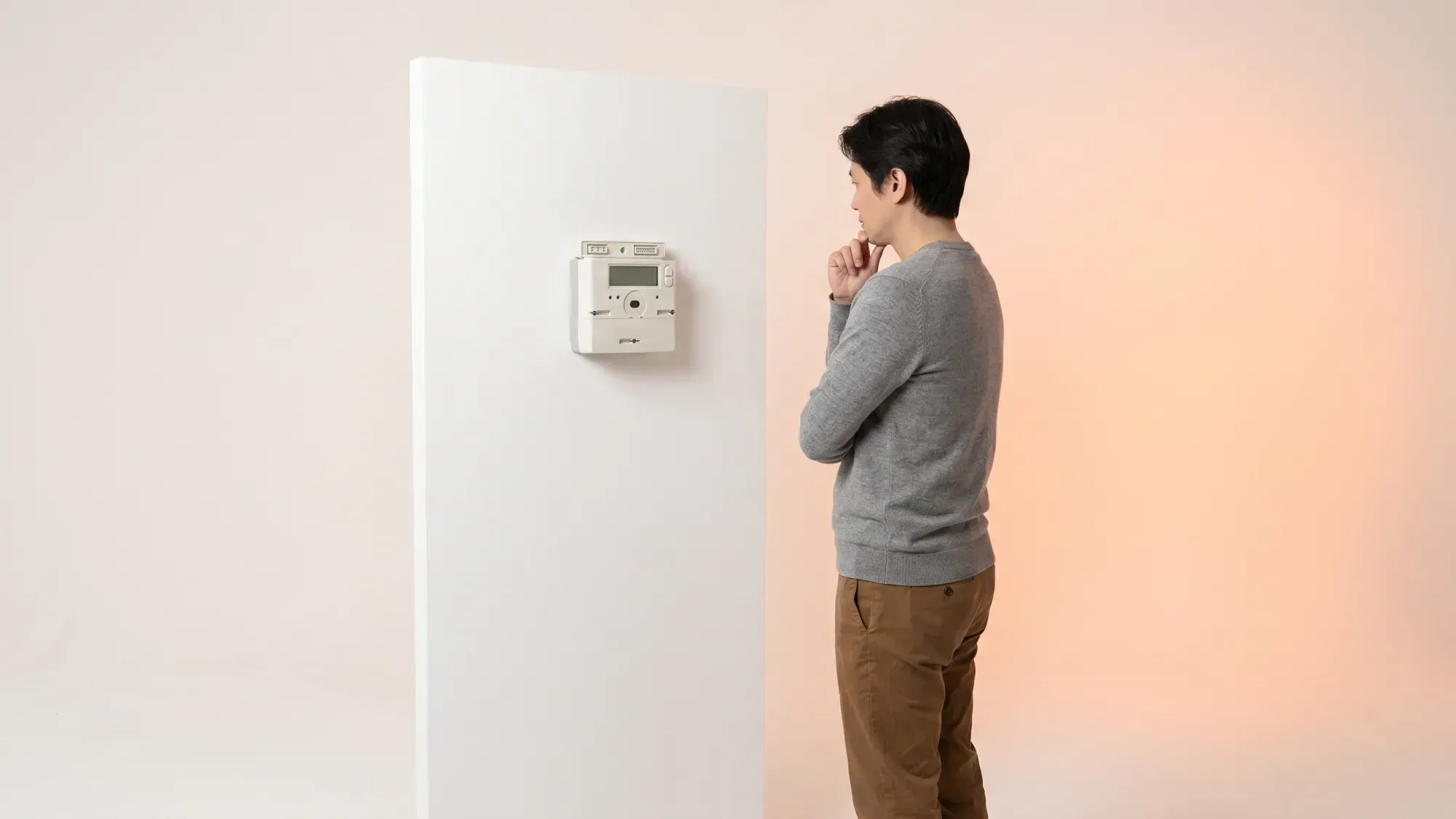
Smart meters are a crucial first step towards gaining greater control over your home energy use. This guide explains what smart meters are, how they work, and how they can benefit your household.
Understanding your energy usage is key to managing your bills effectively. Fuse Energy helps you do just that, offering clear insights and support. Click here to see how easy it is to get started with Fuse Energy.
Enter your address to get a quote and see how much you could save
What exactly is a smart meter?
A smart meter is a new generation of gas and electricity meter that digitally measures your energy use and automatically sends readings to your energy supplier. This removes the need for manual meter readings and helps ensure accurate billing.
Beyond the basics: how they differ from traditional meters
Unlike older, traditional meters that require someone to manually read them (or rely on estimated bills), smart meters communicate directly with your energy supplier. This automatic data transmission means an end to estimated bills, providing you with a clearer picture of your energy consumption. The UK is also phasing out older metering technology, such as the Radio Teleswitch Service (RTS), with the industry-wide switch-off having begun on 30 June 2025. This initiative aims to replace these legacy meters with smart meters, ensuring homes benefit from modern energy management tools.
The role of your In-Home Display (IHD)
Most smart meter installations include an In-Home Display (IHD) . This small device shows your energy consumption in near real-time, typically in pounds and pence. It provides immediate feedback on how much energy you are using, helping you understand where your money is going and make informed decisions about your usage. However, IHD availability and delivery are not guaranteed.
How smart meters work
Smart meters operate by securely sending your energy usage data to your supplier. This process is designed to be efficient and reliable, providing both you and your supplier with accurate information.
Automatic readings and accurate bills
The primary function of a smart meter is to automatically send your gas and electricity readings to your energy supplier. This eliminates the need for you to submit meter readings and ensures your bills are based on your actual energy consumption, rather than estimates. This leads to more accurate billing and helps you avoid unexpected charges or credits. You can also view your half-hourly meter readings in the Fuse app for even greater detail.
Understanding SMETS1 and SMETS2 meters
There are two main generations of smart meters in Great Britain: Smart Metering Equipment Technical Specifications (SMETS) 1 and SMETS2. While both offer automatic readings, SMETS2 meters are the most recent models and are designed to maintain smart functionality even if you switch energy suppliers. This means you can change providers without your smart meter "going dumb" and reverting to manual readings. Many eligible SMETS1 meters have also been migrated to the national network to improve interoperability.
Do smart meters use Wi-Fi?
Smart meters do not use your home's Wi-Fi network. Instead, they communicate via a dedicated, secure national wireless network. This ensures reliable data transmission and means your energy usage data is separate from your home internet, providing an independent and secure connection.
Benefits of having a smart meter
Smart meters offer more than just accurate billing; they are a gateway to better understanding and managing your home energy.
Greater control over your energy usage
With an IHD, you can see your energy consumption in near real-time. This immediate feedback allows you to identify energy-hungry appliances or habits and adjust your usage accordingly. For example, the average UK home uses around 2,500 kilowatt-hours (kWh) of electricity and 9,500 kWh of gas per year. Monitoring your usage against these averages can help you identify areas for improvement and gain a clearer picture of your energy footprint.
Access to smart tariffs and potential savings
Smart meters enable access to a new generation of energy tariffs, often called "smart tariffs." These tariffs can offer different prices for electricity at different times of the day, allowing you to save money by shifting your energy use to off-peak periods when demand (and prices) are lower. While smart meters do not automatically save you money, they provide the data and flexibility to make informed decisions that can lead to potential savings.
Supporting a modern energy grid
The rollout of smart meters is a key component of the UK's energy grid modernisation. By providing better data on energy demand, smart meters help energy providers manage the grid more efficiently, balance supply and demand, and integrate more renewable energy sources. This contributes to a more sustainable and resilient energy system for everyone.
Addressing common smart meter concerns
It is natural to have questions about new technology. Here, we address some common concerns surrounding smart meters.
Data privacy and security explained
Smart meters collect data on your energy consumption, but this data is protected. Energy suppliers are regulated by Ofgem, and your data is handled in accordance with strict data protection laws, including UK General Data Protection Regulation (GDPR) and the Data Protection Act 2018. You have control over how your data is used, and it is primarily used for billing and to help you understand your energy usage. It is not shared for marketing purposes without your explicit consent. Ofgem also requires Distribution Network Operators (DNOs) to agree a privacy plan before accessing smart meter data.
Are smart meters compulsory?
No, smart meters are not compulsory. While the UK government wants energy suppliers to install smart meters in every home in England, Wales, and Scotland, you have the right to decline a smart meter if you do not wish to have one installed. Energy suppliers are responsible for installing and maintaining smart meters at no upfront cost to the customer. However, if your traditional meter is faulty or at the end of its life, it may be replaced with a smart meter as traditional meters are becoming harder to source.
Dealing with connectivity issues
Sometimes, smart meters can experience connectivity issues, commonly referred to as "going dumb," particularly after switching suppliers if you have an older SMETS1 meter. However, SMETS2 meters are designed to maintain their smart functionality across supplier switches. If you experience connectivity problems, your energy supplier is responsible for resolving these issues and ensuring your meter is working correctly. Fuse Energy offers 24/7 human customer support to assist with smart meter queries and ensure customers can maximise their benefits.
How to get a smart meter
Getting a smart meter is a straightforward process, typically handled by your current energy supplier.
Eligibility and installation process
Most homes in Great Britain are eligible for a free smart meter upgrade. To get one, simply contact your current energy supplier. They will check your eligibility and arrange an installation appointment at no upfront cost to you. You can learn more about the process in our guide to smart meter installation.
What to expect during installation
A certified installer will visit your home to replace your existing gas and electricity meters with smart meters. The installation usually takes around two hours, and your power will need to be switched off for a short period. The installer will also set up your In-Home Display and show you how to use it.
Replacing older meters: the RTS phase-out
As mentioned, older metering systems like RTS are being phased out, with the industry-wide switch-off having begun on 30 June 2025. If you have an RTS meter, your current supplier will contact you to arrange a free replacement with a smart meter. This ensures you continue to receive accurate bills and benefit from modern energy management.
Maximising the benefits of your smart meter
Once you have a smart meter, the real value comes from actively using the information it provides.
Using your IHD effectively
Your In-Home Display is a powerful tool. Pay attention to the real-time data it provides to understand how different appliances impact your energy consumption. Experiment with turning off devices or adjusting your heating to see the immediate effect on your usage and cost. This active engagement is key to making informed decisions about your energy habits. Understanding your energy bill is also crucial to making the most of your smart meter data.
Integrating with home energy management
Smart meters can integrate with various home energy management tools. Fuse's all-in-one app, for example, integrates smart meter data, providing transparent energy insights and enabling informed decisions for customers. This allows you to track your usage, understand trends, and potentially even control compatible EV chargers to optimise your energy consumption.
Choosing the right energy supplier for smart meters
The benefits of a smart meter are amplified when paired with a supplier that offers excellent support and smart tariffs. Look for suppliers who provide clear data insights, responsive customer service, and tariffs designed to reward smart energy usage. After switching to Fuse, customers with manual meters are eligible for a free smart meter upgrade, and Fuse Energy offers 24/7 human customer support to help you make the most of your smart meter.
Ready to take control of your home energy with a smart meter and a modern energy supplier? Fuse Energy offers clear pricing, real-time usage data through our app, and 24/7 human customer support to help you make the most of your energy. Switching is quick and easy. Click here to switch to Fuse Energy today. You can also learn more about our mission to make energy abundant and affordable by clicking here.
Disclaimer
For the avoidance of doubt, this article is provided for informational purposes only and is not intended to constitute legal or financial advice. The author and/or Fuse Energy shall not be responsible for any losses arising out of any reliance on the information contained herein.