What is a DNO?
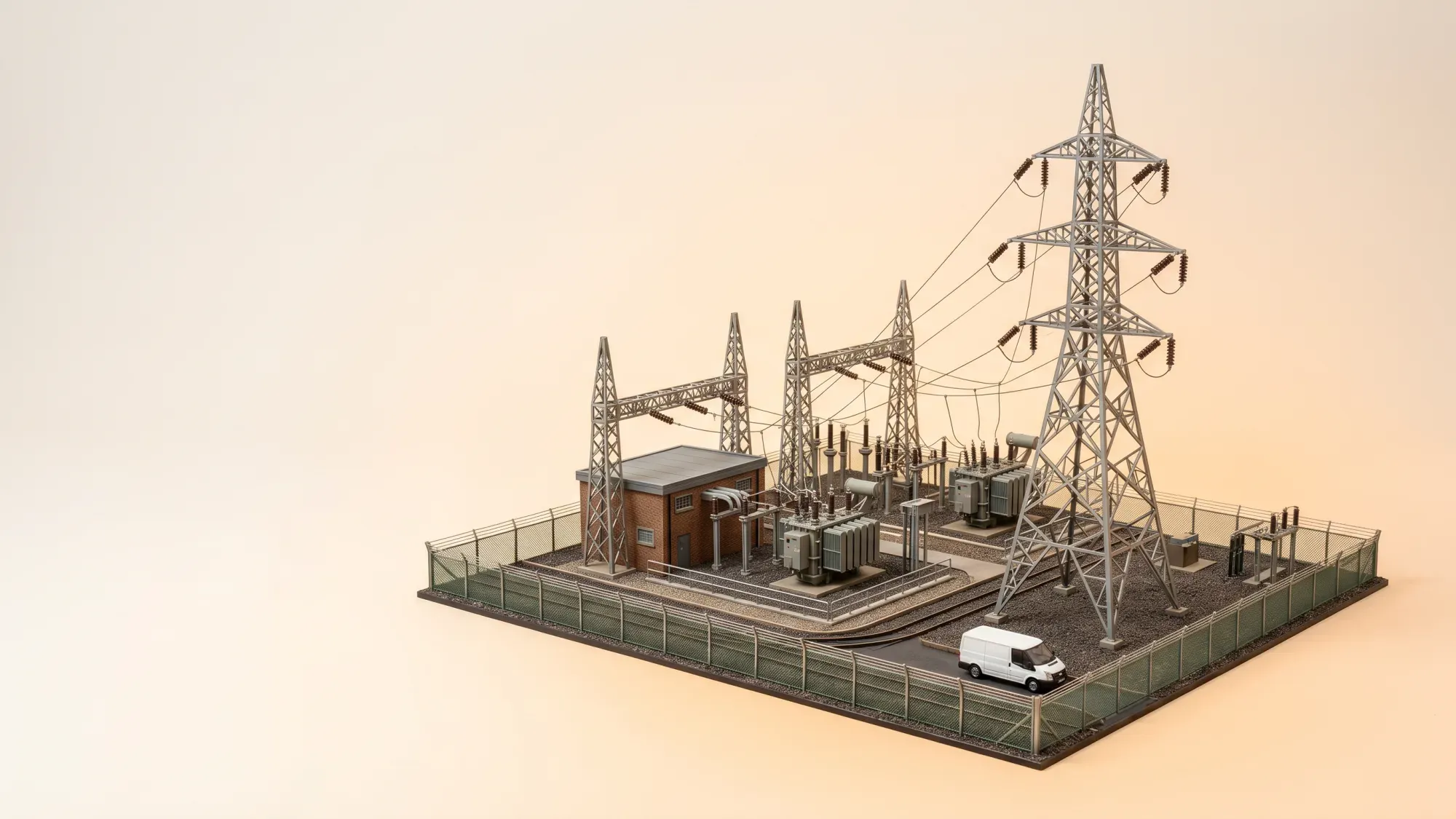
Understanding your Distribution Network Operator (DNO) is a crucial step for homeowners navigating their local electricity supply. DNOs are the companies that own and operate the local electricity network infrastructure, delivering power to homes across Great Britain. Knowing who your DNO is and what they do empowers you to confidently pursue home energy upgrades like solar panels, EV chargers, or battery storage, ensuring new technologies connect safely and efficiently to the grid.
Managing your home's energy should be straightforward. Fuse Energy is here to simplify your energy experience, whether you're looking to understand your DNO's role or considering home energy upgrades. Click here to see how easy it is to switch to Fuse Energy.
Enter your address to get a quote and see how much you could save
What is a distribution network operator (DNO)?
A DNO is a company licensed to distribute electricity in the UK. These companies own and operate the system of cables, transformers, and towers that bring electricity from the national transmission network to properties. They are the intermediaries that take high-voltage power from the National Grid and convert it into usable power for your home.
There are 14 licensed DNOs across Great Britain, managed by six main company groups, each covering a specific geographical area. Ofgem, the energy regulator, regulates DNOs, setting performance standards and price controls to ensure fair charges and reliable service.
Their core responsibilities
DNOs have several critical responsibilities that directly impact homeowners. They are tasked with maintaining and upgrading the local network infrastructure, including cables, substations, and power lines, to ensure it remains efficient and reliable. This proactive approach helps prevent outages and ensures a secure electricity supply.
In addition to maintenance, DNOs are responsible for managing new electricity connections and approving projects that draw from or feed into the grid, such as solar panels or EV chargers. They also play a vital role in responding to power cuts and network faults, making them the first point of contact if your electricity supply goes down.
Why DNOs matter to homeowners
For homeowners, DNOs are essential partners in modernising the grid and enabling the integration of distributed energy resources like solar panels, home batteries, and EV chargers. Understanding your DNO is a critical capability for homeowners looking to install new energy technologies and take control of their energy future. They ensure the safe and reliable delivery of electricity, manage power cuts, and facilitate new connections, which is particularly important when considering home energy upgrades.
DNO vs energy supplier: understanding the difference
It is a common pitfall to confuse DNOs with energy suppliers, but their roles are distinct. While both are crucial for your electricity supply, they handle very different aspects of it.
Who manages your bills?
Your energy supplier is the company you pay for the electricity and gas you consume. They handle your billing, customer service, and the purchase of energy on your behalf. You choose your energy supplier, and you can switch between them to find the best tariffs and services.
Who manages the wires?
Your DNO, on the other hand, is responsible for the physical delivery of electricity to your property, maintaining the reliability and safety of the network. They own and operate the towers, cables, and meters that deliver power to your home. You cannot choose or switch your DNO; it is fixed by where you live.
How to find your distribution network operator
Finding your specific DNO is straightforward and crucial for various situations, from reporting a power cut to planning home energy upgrades.
Using your postcode
The easiest way to find your DNO is by using your postcode. The Energy Networks Association (ENA) provides a postcode lookup tool on their website that will identify your local DNO. Alternatively, you can call 105, the free power cut emergency number, which will automatically connect you to your local DNO in England, Scotland, and Wales.
How do I find my DNO?
You can find your DNO by entering your postcode into the ENA postcode lookup tool. Alternatively, calling the free 105 number will automatically connect you to your local DNO, which is responsible for the electricity network in your area.
List of UK DNOs (brief overview)
There are 14 licensed DNOs in Great Britain, managed by six main company groups. These include:
- Electricity North West (North West England)
- National Grid Electricity Distribution (East Midlands, West Midlands, South West, South Wales - formerly Western Power Distribution)
- Northern Powergrid (North East England and Yorkshire)
- Scottish and Southern Electricity Networks (North Scotland and Central Southern England)
- SP Energy Networks (Central Scotland, Southern Scotland, Merseyside/North Wales)
- UK Power Networks (Eastern England, London, and South East England)
Each DNO covers a specific geographical region, ensuring power is delivered safely and reliably to properties.
Your DNO's role in home energy upgrades
When planning to install new energy technologies at home, your DNO plays an indispensable role. They must be notified about certain installations to ensure grid safety and capacity.
Connecting EV chargers
If you are installing an electric vehicle (EV) charger at home, your DNO needs to be informed. Depending on the charger's power rating and your property's existing supply, the DNO may need to assess if your current connection can handle the additional load. This notification process ensures the local network can support your EV charging without issues. You can also learn more about the cost of EV charger installation.
Integrating solar panels and batteries
For homeowners looking to install solar panels or home battery storage systems, DNO involvement is also mandatory. These systems can export electricity back to the grid, and the DNO needs to ensure that the local network can safely accommodate this bidirectional flow of energy. Your installer will typically handle the application process, often submitting a G98 or G99 application to the DNO. For more details on getting started, see our guide on solar panel installation.
Ensuring grid safety and capacity
The DNO's mandatory involvement in these upgrades is not about control, but about safety and maintaining the stability of the entire electricity network. By notifying your DNO, you help them manage the grid effectively, prevent overloads, and ensure that new energy technologies can be integrated without compromising the reliability of your electricity supply or that of your neighbours.
DNOs and power cuts: what you need to know
In the event of a power cut, your DNO is the entity responsible for restoring your electricity supply. They own and operate the distribution network that brings electricity to your home.
Reporting a power cut
If your power goes out unexpectedly, your first step should be to check if your neighbours are also affected. If they are, or if you suspect a wider outage, you should contact your DNO directly. The easiest way to do this is by calling 105, the free national power cut helpline, which will connect you straight to your local DNO. This number works for both landlines and mobiles.
Understanding restoration times
Once you have reported a power cut, your DNO will work to identify and fix the issue. They will provide updates on the estimated restoration time. If electricity is crucial for any medical equipment you have, you can contact your DNO to be placed on their Priority Services Register for additional assistance during outages. This often involves understanding your smart meter installation and its capabilities.
The evolving role of DNOs: towards a smarter grid
The energy landscape is constantly evolving, and DNOs are adapting to meet future demands. They are transitioning towards becoming Distribution System Operators (DSOs), a change that will significantly impact how our energy system operates.
From DNO to DSO: what it means for you
The shift from DNO to DSO involves a more active management of local energy markets and distributed energy resources. As DSOs, these operators will play a greater role in balancing supply and demand at a local level, integrating technologies like solar, batteries, and EV chargers more dynamically. This transition aims to create a more flexible and resilient grid, often referred to as the 'Smart grid'.
Future energy management
For homeowners, the evolution to DSOs means a more responsive and interactive energy system. It will facilitate greater control over your energy consumption and generation, enabling you to participate more actively in local energy markets. This aligns with Fuse's vision of providing "power to play with," where abundant energy empowers homeowners to manage and upgrade their home energy effectively, contributing to a modernised and efficient grid.
Understanding your DNO is a key part of navigating the modern energy landscape. At Fuse Energy, we believe in making energy simple, transparent, and empowering. Our focus is on providing clear pricing, real-time usage data through our app, and 24/7 human customer support, so you can make informed decisions about your home's energy. Switching to Fuse is quick and easy, putting you in control of your energy bills from day one.
Disclaimer
For the avoidance of doubt, this article is provided for informational purposes only and is not intended to constitute legal or financial advice. The author and/or Fuse Energy shall not be responsible for any losses arising out of any reliance on the information contained herein.