Disadvantages of clean energy
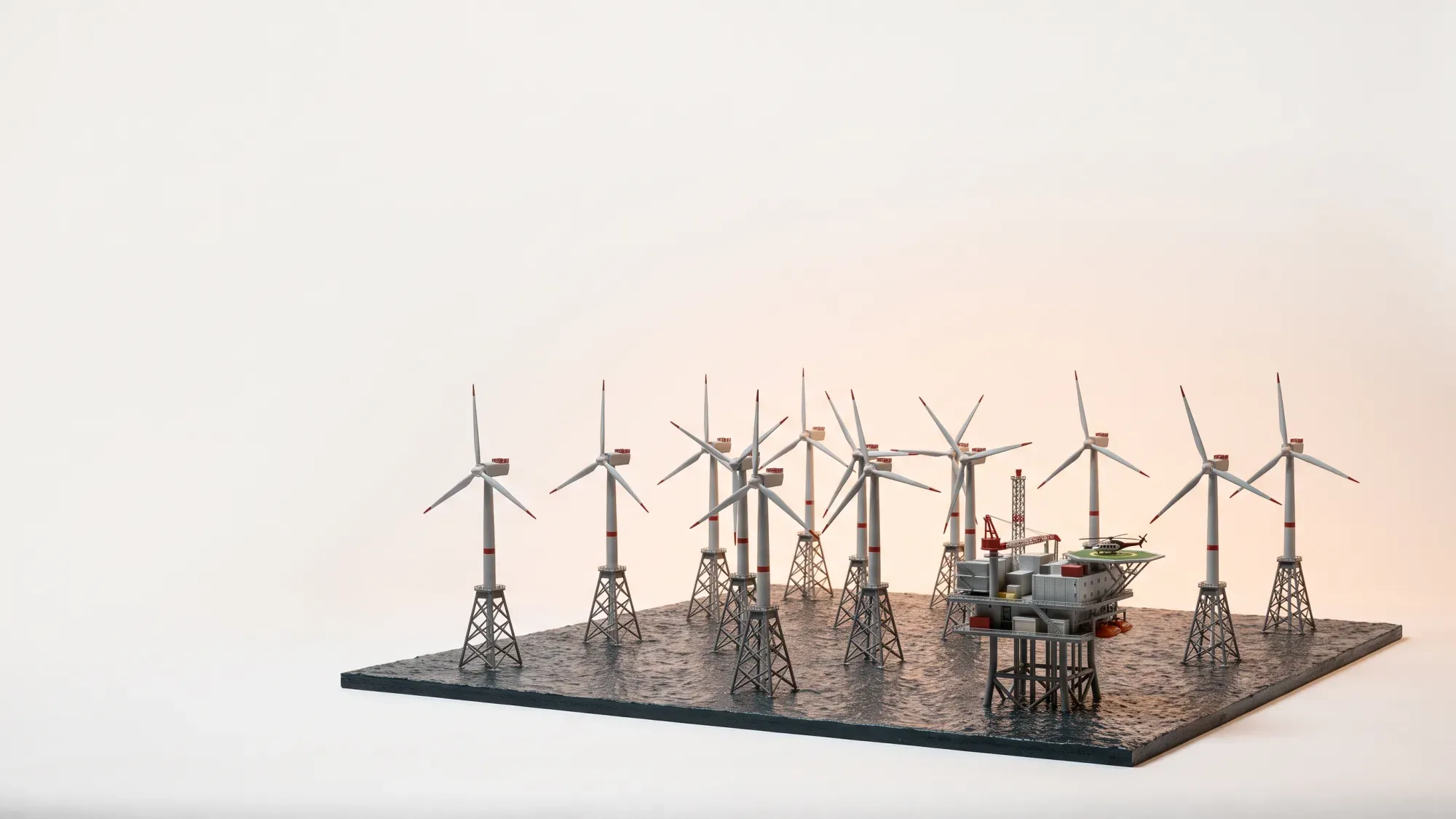
Clean energy sources like wind and solar are vital for a sustainable future, offering a path away from fossil fuels and their environmental impact. However, a realistic understanding of their practical challenges is essential for effective planning and innovation. This article explores the common drawbacks of clean energy within the UK context, not as insurmountable barriers, but as engineering and systemic challenges that can be addressed through strategic development and technological advancement.
Tackling the challenges of clean energy is key to a more sustainable future. Fuse Energy is committed to making energy abundant and accessible, helping you navigate the complexities of the energy transition with clear pricing and smart solutions. Click here to switch to Fuse Energy today.
Enter your address to get a quote and see how much you could save
Intermittency and reliability
Clean energy sources, particularly wind and solar, are inherently dependent on natural weather patterns, leading to variability in generation. This intermittency is one of the primary challenges in building a stable, renewable-dominated energy system.
The challenge of variable generation
Wind turbines only generate electricity when the wind blows, and solar panels only produce power when the sun shines. This means that at any given moment, the output from these sources can fluctuate significantly. For instance, a modern onshore wind turbine (2 MW) with a 27% capacity factor produces roughly 4,700 MWh (4,700,000 kWh) per year, enough for around 1,900 average UK homes, which each use about 2,500 kWh annually. However, this output is not constant; it varies with wind speed. This variability makes it difficult to match supply with demand precisely, especially when these sources make up a large proportion of the energy mix.
The role of energy storage
To counteract variable generation, robust energy storage solutions are crucial. Battery storage, for example, allows excess electricity generated during periods of high wind or sunshine to be stored and then released when generation is low or demand is high. The UK's battery storage capacity is growing significantly, with new projects continually coming online to bolster grid stability. These systems are essential for ensuring a continuous and reliable power supply, even when renewable generation dips.
Demand-side response and smart grids
Beyond physical storage, smart grid technologies and demand-side response programmes offer intelligent ways to manage intermittency. Demand-side response encourages consumers to shift their energy use to times when renewable generation is abundant and prices are lower. Smart grids, meanwhile, use digital communication technology to detect and react to local changes in usage, automatically balancing supply and demand more efficiently. These innovations help to smooth out the peaks and troughs of renewable generation without requiring massive over-generation or storage capacity.
Infrastructure and grid integration
Integrating a growing proportion of decentralised clean energy sources into the existing energy network presents significant infrastructure challenges. The UK's National Grid, originally designed for large, centralised power stations, requires substantial upgrades to accommodate the two-way flow of electricity from numerous smaller generators.
Upgrading the National Grid
The National Grid needs extensive modernisation to handle the increasing volume of renewable energy. This includes reinforcing transmission lines, building new substations, and implementing advanced control systems. These upgrades are costly and time-consuming, but they are fundamental to ensuring the grid can reliably transport clean energy from where it is generated (often remote wind farms) to where it is needed.
Local grid constraints
At a local level, integrating new renewable installations, such as solar panels on homes or small community wind projects, can strain existing distribution networks. Local grid constraints can lead to delays in connecting new projects or require costly local grid reinforcements. This means that while individual households might be keen to generate their own power, the local infrastructure might not always be ready to accommodate it without upgrades.
Transmission losses and efficiency
Electricity loses some energy as it travels through transmission lines. While this is a factor for all electricity generation, the often remote locations of large-scale renewable projects (like offshore wind farms) can mean longer transmission distances, potentially increasing these losses. Improving grid efficiency through better materials, smart routing, and reducing bottlenecks is an ongoing area of focus to minimise this drawback.
Cost and investment
The transition to clean energy involves substantial financial investment, which can be a significant hurdle for both large-scale projects and individual households.
High upfront capital
Developing large renewable energy projects, such as wind farms or solar parks, requires considerable upfront capital. Similarly, for households, installing renewable energy systems like solar panels or heat pumps can involve substantial initial costs. Understanding the running costs of an air source heat pump can help in long-term financial planning. These costs can be a barrier to adoption, even with the promise of long-term savings.
Operational and maintenance expenses
While renewable energy sources often have lower running costs compared to fossil fuel plants (as they do not pay for fuel), they still incur operational and maintenance expenses. This includes regular servicing of turbines and panels, repairs, and the management of associated infrastructure. For homeowners, this might involve periodic checks or cleaning of solar panels to maintain efficiency.
Government support and incentives
To help offset these costs and encourage adoption, the UK government offers various grants and schemes. These can include subsidies for heat pump installations, such as the Boiler Upgrade Scheme, or financial incentives for exporting excess renewable electricity to the grid through mechanisms like the Smart Export Guarantee (SEG). These programmes are crucial for making clean energy more economically viable for a wider range of consumers and investors.
Environmental and social considerations
While clean energy is generally seen as environmentally friendly, its production and deployment are not without their own environmental and social impacts.
Land use and visual impact
Large-scale renewable energy projects, particularly wind farms and solar arrays, require significant land area. This can raise concerns about land use, especially in densely populated areas or those with high ecological value. The visual impact of wind turbines or extensive solar farms on landscapes is also a common point of contention for some communities.
Manufacturing and disposal of components
The manufacturing of components for clean energy systems, such as solar panels, wind turbine blades, and batteries, requires resources and energy. There are also considerations around the end-of-life disposal and recycling of these components. While efforts are underway to improve recycling processes and design for circularity, this remains an important environmental consideration.
Resource extraction for materials
The production of modern clean energy technologies relies on various raw materials, including rare earth elements and other minerals for batteries and electronics. The extraction of these resources can have environmental and social consequences, including habitat disruption and ethical sourcing concerns. Research and development are focused on finding more sustainable materials and reducing reliance on critical minerals.
Overcoming the challenges: solutions and innovation
The challenges associated with clean energy are not static; continuous innovation and strategic development are actively mitigating many of these drawbacks.
Advancements in battery technology
Battery technology is evolving rapidly, with improvements in energy density, lifespan, and cost efficiency. These advancements are making energy storage more accessible and effective, directly addressing the intermittency of renewable sources. New battery chemistries and designs are also exploring ways to reduce reliance on critical raw materials and improve recyclability.
Smart home energy management
Smart home energy management systems empower households to optimise their energy use, often in conjunction with renewable generation and storage. These systems can learn consumption patterns, forecast solar generation, and automatically manage appliances to use electricity when it is cheapest or most abundant. This not only reduces bills but also contributes to overall grid stability.
Policy and regulatory frameworks
Government policies and regulatory bodies like Ofgem play a critical role in shaping the energy transition. Policies such as the SEG influence the economic viability of domestic renewable energy generation, while Ofgem regulates the UK energy market to ensure grid stability and consumer protection. The UK's Net Zero targets continue to drive investment and policy decisions in the clean energy sector, fostering an environment for innovation and growth.
Making informed energy choices
Understanding the challenges of clean energy, alongside the ongoing solutions, allows you to make informed decisions about your personal and household energy choices.
Assessing your household's needs
Consider your energy consumption patterns, available space for generation (like a south-facing roof for solar), and budget when exploring clean energy options. While upfront costs can be substantial, government grants and schemes are available to help offset these, making solutions like solar panels or heat pumps more accessible. For example, you might be eligible for an air source heat pump grant to reduce installation expenses.
The future of abundant clean energy
The journey to a fully clean energy system is complex, but the challenges are being met with innovation and strategic investment. From advanced storage solutions to smart grid technologies and supportive policies, the landscape is continually improving. By staying informed and embracing available technologies, you can contribute to a future where energy is abundant and sustainable, rather than a source of scarcity.
Managing your home energy should be straightforward and transparent. Fuse Energy offers clear pricing, real-time usage data through our app, and 24/7 human customer support to help you make the most of your energy. We are committed to making energy abundant and accessible for every home. Click here to switch to Fuse Energy today and join us in building a more sustainable energy future. You can also learn more about our mission here.
Disclaimer
For the avoidance of doubt, this article is provided for informational purposes only and is not intended to constitute legal or financial advice. The author and/or Fuse Energy shall not be responsible for any losses arising out of any reliance on the information contained herein.