Changing your electricity supplier
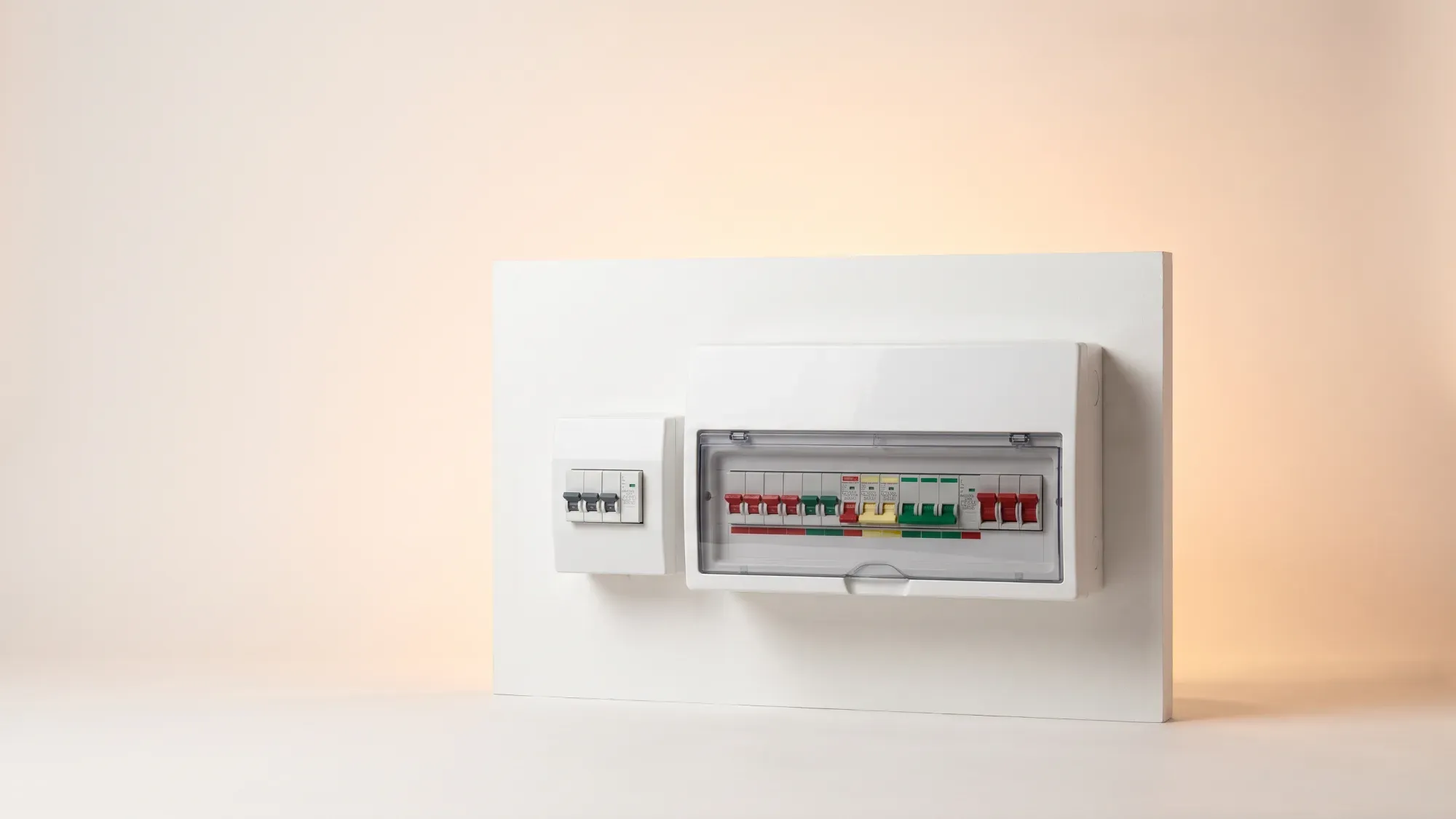
Changing your electricity supplier in the UK is a straightforward process, with the actual transfer of supply between providers typically taking up to 5 working days. It's an empowering step towards greater control and an effortless energy experience, allowing you to secure better value or service for your home. This guide will walk you through each step, helping you confidently navigate the process.
Ready to take control of your home's energy? Changing your electricity supplier can be a simple way to secure better value and service. Fuse Energy offers clear pricing and dedicated support, making the process straightforward. Click here to switch to Fuse Energy today.
Enter your address to get a quote and see how much you could save
Why consider changing your electricity supplier?
Many households remain with their current energy provider out of habit, but there are compelling reasons to consider a change. It's not just about finding the cheapest deal; it's about optimising your energy experience to better suit your needs.
Seeking better value and tariffs
Energy prices fluctuate, and new tariffs are regularly introduced. Comparing deals can reveal options that offer lower unit rates or standing charges, potentially reducing your overall energy expenditure. Ofgem, the UK's energy regulator, sets a price cap that limits the maximum amount suppliers can charge per unit of energy. However, tariffs below this cap are often available, especially for new customers.
Improving customer service and support
Some suppliers offer superior customer service, with quicker response times, more accessible support channels, and a more user-friendly experience. If you've found yourself frustrated with long waits or unhelpful interactions, switching to a provider known for excellent customer support can significantly improve your energy management experience.
Accessing modern energy management
The energy market is evolving, with many suppliers now offering digital tools and apps that provide real-time control and transparency over your energy usage. This can help you understand your consumption patterns, manage costs more effectively, and even contribute to a more efficient energy system. For example, understanding the running costs of an air source heat pump can help you make informed decisions about your home's energy use. For the average UK home using around 2,500 kWh of electricity per year, efficient management and supplier choice are important for household budgets.
Your step-by-step guide to switching
Switching energy suppliers is designed to be a simple process. Here's how to change your electricity supplier in a few clear steps.
Gather your information
Before you begin, have your current energy bill handy. You'll need details such as your address, current supplier, and your Meter Point Administration Number (MPAN) for electricity, or Meter Point Reference Number (MPRN) for gas. Having a recent meter reading will also help you get the most accurate quotes.
Compare tariffs and suppliers
Use an accredited comparison service to explore the available tariffs and suppliers. These services allow you to input your usage details and compare different deals side-by-side, helping you find a tariff that matches your needs and potentially offers better value.
Initiate your switch
Once you've chosen a new supplier and tariff, you can initiate the switch directly through the comparison service or your chosen new supplier. They will handle the transfer process with your old provider.
Understand the cooling-off period
After agreeing to a new contract, you have a 14-day cooling-off period during which you can cancel your switch without penalty. This period begins from the day you agree to the new contract, not from the date your supply actually switches over. This gives you time to review your decision and ensure you've made the right choice.
What is the cooling-off period when switching energy suppliers?
The cooling-off period is a 14-day window, starting from the day you agree to a new energy contract, during which you can cancel your switch without incurring any penalties. This allows consumers to reconsider their decision and ensures they are protected if they change their mind.
Finalise your switch
Your new supplier will manage the transfer of your electricity supply, which typically takes up to 5 working days. You'll usually be asked to provide a final meter reading to your new supplier on the day of the switch, who will then send it to your old supplier. After the transfer, check your first bill from the new supplier to ensure everything is correct.
Key information you will need
To ensure a smooth transition when you change your electricity supplier, having certain details readily available will speed up the process.
Your current energy bill
This document contains crucial information, including your account number, current tariff name, annual energy consumption, and your MPAN for electricity, or MPRN for gas.
Meter readings
Providing accurate, up-to-date meter readings ensures that your final bill from your old supplier is correct and that your new supplier starts billing you accurately from day one.
Personal details
You'll need to provide your full name, current address, and contact information. If you're setting up a Direct Debit, have your bank details ready.
Common switching scenarios
Switching electricity suppliers can sometimes involve specific circumstances, such as outstanding debt or moving home. Understanding how these situations are handled can prevent delays.
Switching with outstanding debt
If you have debt with your current supplier, it can sometimes block a switch. If you have a prepayment meter and owe less than £500 per fuel, you may still be able to switch under the Debt Assignment Protocol (DAP), where your new supplier may agree to take on the debt. For credit meters, debt less than 28 days usually doesn't block a switch. In other cases, you may need to clear your debt or agree on a repayment plan before switching.
Changing supplier when moving home
When moving home, you can either switch to a new supplier for your new property or stay with the existing supplier at that address. It's often a good opportunity to compare deals and choose a supplier that best suits your needs in your new home. Remember to take final meter readings at your old property and opening readings at your new one.
Smart meters and switching
Smart meters are designed to make switching easier by providing accurate readings automatically. If you have a smart meter, it should continue to function as normal when you change your energy supplier. Many homeowners also consider modernising their heating and cooling systems, such as through an air conditioning installation, to further optimise energy use. In some rare cases, older smart meters (SMETS1) might lose some smart functionality, but they will still work as traditional meters, and your new supplier can usually re-establish the smart connection.
Your rights and protections when switching
The UK energy market is regulated to protect consumers and ensure a fair and transparent switching process.
The energy switch guarantee
This is a set of standards that energy suppliers sign up to, ensuring a smooth and reliable switching process. It guarantees that your switch will be completed within 5 working days, and that you won't be without energy during the transfer. The 14-day cooling-off period runs in parallel and does not delay the switch.
Ofgem's role in consumer protection
Ofgem, the energy regulator for Great Britain, oversees the energy market, setting rules for suppliers and protecting consumer rights. They ensure that suppliers adhere to their obligations, including fair billing practices, clear communication, and support for vulnerable customers. If you have a complaint that your supplier hasn't resolved, you can escalate it to the Energy Ombudsman.
Accessing the Priority Services Register
The Priority Services Register (PSR) provides extra help to people in vulnerable situations, such as those of state pension age, with a disability or long-term health condition, or who rely on medical equipment. If you're eligible, registering ensures you receive additional support during power cuts or supply interruptions. You can register with your energy supplier.
Changing your electricity supplier doesn't have to be complicated. Fuse Energy is committed to making energy simple and transparent, with clear pricing and dedicated support. Our easy-to-use app helps you track your usage, and our 24/7 human support team is always ready to assist. Ready for a smarter energy experience? Click here to switch to Fuse Energy today. You can also learn more about our mission to make energy fairer and greener by clicking here.
Disclaimer
For the avoidance of doubt, this article is provided for informational purposes only and is not intended to constitute legal or financial advice. The author and/or Fuse Energy shall not be responsible for any losses arising out of any reliance on the information contained herein.