Choosing your smart meter supplier
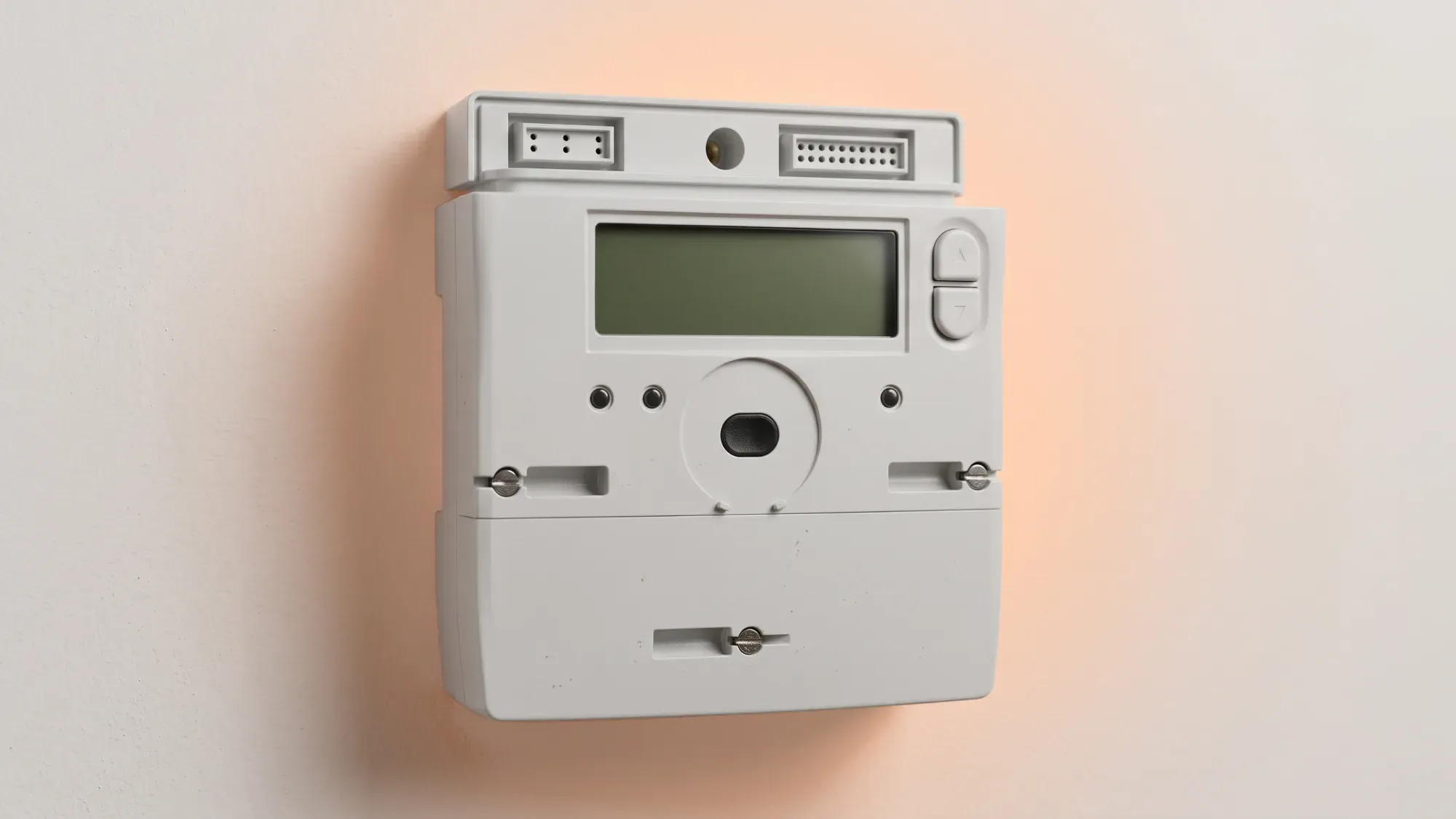
Choosing an energy supplier with a strong smart meter offering can significantly improve how you manage your home's energy. A smart meter provides greater control over your usage, helps you understand your consumption, and can unlock potential savings through more informed energy choices.
A smart meter can transform your energy management, and Fuse Energy is here to help you make the most of it. With clear pricing and real-time usage data, we empower you to take control of your home's energy. Click here to switch to Fuse Energy today.
Enter your address to get a quote and see how much you could save
What is a smart meter and why do you need one?
A smart meter is more than just a device that measures your energy consumption; it's a gateway to a more dynamic and informed relationship with your energy use. Unlike traditional meters, smart meters automatically send readings to your supplier, eliminating estimated bills and providing accurate charges for the energy you actually use.
Accurate billing and real-time insights
Smart meters provide near real-time energy usage data, typically updated every 30 minutes, which you can view on an in-home display (IHD) or through your supplier's app. This immediate feedback allows you to see how much electricity and gas you're using in pounds and pence, helping you to budget more effectively and identify where you can reduce consumption. For example, according to Ofgem1, the average UK home uses around 2,500 kWh of electricity per year. Understanding how your daily habits contribute to this figure empowers you to make informed decisions.
Unlocking flexible tariffs
One of the most significant advantages of smart meters is their ability to unlock access to flexible and time-of-use tariffs. These tariffs offer different prices for energy at various times of the day, typically cheaper during off-peak hours when demand is low or when renewable energy generation is high. By strategically shifting energy-intensive tasks, such as charging an electric vehicle or running a washing machine, to these cheaper periods, you can significantly reduce your energy bills. Dual-rate tariffs, which offer different prices for peak and off-peak electricity, typically require a smart meter or a multi-register meter.
The national smart meter rollout
The UK is undergoing a national smart meter rollout, with energy suppliers in Great Britain generally obligated to offer and install smart meters for their customers. Installation is free, and suppliers are required to meet certain targets for the rollout. Ofgem, the energy regulator for Great Britain, oversees supplier conduct and consumer protection.
What is the Radio Teleswitch Service (RTS)?
RTS was a legacy system using radio signals to switch older electricity meters between peak and off-peak rates. This technology reached the end of its operational life, with the signal phase-out beginning on 30 June 2025. Your current supplier is responsible for replacing these meters with smart meters.
Key features to look for in a smart meter supplier
When choosing an energy supplier, consider more than just the tariff price. The quality of their smart meter integration and customer support can make a substantial difference to your experience.
Advanced app integration and data visualisation
A good smart meter supplier will offer an intuitive mobile app or online portal that goes beyond basic billing. Look for features that provide detailed data visualisation, allowing you to track your energy usage by hour, day, or month. Some apps even break down usage by appliance category, offer tailored energy efficiency tips, or allow you to manage EV and home battery charging. This level of insight transforms raw data into actionable capability, putting you in control of your energy consumption.
Tariff options and flexibility
The best suppliers offer a range of tariffs designed to maximise the benefits of your smart meter. This includes various time-of-use tariffs, such as dual-rate variable tariffs that can benefit electric vehicle (EV) charging. The ability to switch between tariffs easily, often without penalties on variable tariffs, is also a key indicator of a flexible and customer-focused supplier.
Customer support and installation process
Even with advanced technology, good customer service remains crucial. Enquire about the supplier's support for smart meter issues, including their response times for queries and fault resolution. The installation process should be straightforward: your supplier will arrange an appointment, which typically takes one to two hours, during which your power will be temporarily switched off. Someone over 18 must be present at the property for the duration of the installation.
SMETS1 vs SMETS2: what you need to know
Smart meters come in two main generations: SMETS1 and SMETS2. SMETS stands for Smart Metering Equipment Technical Specifications.
- SMETS1 meters were the first generation. While many have been remotely upgraded, some older SMETS1 meters may lose their smart functionality if you switch energy suppliers.
- SMETS2 meters are the current standard and are designed to maintain smart functionality even if you switch energy suppliers. They connect to a national, secure network, making them more reliable and future-proof. All new smart meters installed in the UK today are SMETS2 models.
If you're unsure which type you have, your energy supplier can confirm. For most households, SMETS2 offers a more consistent experience, especially if you plan to switch suppliers or use advanced time-of-use tariffs.
How to compare smart meter energy suppliers
Evaluating suppliers requires looking beyond the advertised price to understand the full value and service they offer.
Beyond price: evaluating value and service
While competitive tariffs are important, consider the overall value package. This includes the quality of the supplier's app, the range of smart tariffs available, and their reputation for customer service regarding smart meter issues. A supplier that actively helps you understand and optimise your energy use through their tools provides more long-term value.
Reading customer reviews and feedback
Customer reviews on independent platforms can offer valuable insights into a supplier's performance, particularly concerning smart meter installations, app functionality, and how they handle issues. Look for consistent themes in feedback, both positive and negative, to get a balanced view.
Checking for digital tools and innovation
An innovative supplier will continuously improve their digital tools to enhance your energy management. This might include features like personalised energy-saving tips, carbon footprint tracking, or integration with other smart home devices. A supplier committed to digital-first solutions can offer a more empowering and engaging energy experience.
Making the most of your smart meter
Once you have a smart meter, the real 'power play' begins. Actively using the data and tools available can lead to significant benefits.
Understanding your energy usage patterns
Your smart meter's in-home display and your supplier's app provide a detailed breakdown of your energy consumption. By regularly checking this data, you can identify peak usage times, understand which appliances consume the most energy, and spot any unusual patterns. This awareness is the first step towards making smarter energy choices.
Optimising for time-of-use tariffs
If you're on a time-of-use tariff, actively shifting your energy consumption to off-peak periods can lead to substantial savings. For instance, charging an electric vehicle overnight when rates are lower, or running your dishwasher during the day, can make a tangible difference to your bills. This strategic approach turns energy management into a game of optimisation, where you gain the advantage. Understanding your energy usage can also help you evaluate the air source heat pump running cost for your home.
Reducing your carbon footprint
Beyond cost savings, optimising your energy usage, especially by shifting demand to times when renewable energy generation is high, contributes to a greener grid and a reduced carbon footprint. Smart meters help the energy system become more efficient by providing data that allows network operators to balance the grid more effectively.
Getting a smart meter with your chosen supplier
Getting a smart meter is a straightforward process, and understanding what to expect can ensure a smooth experience.
Eligibility and installation process
To get a smart meter, simply contact your energy supplier. They are generally required to offer and install one for you at no charge. The installation typically takes around one to two hours, during which a qualified engineer will replace your existing meters. Your power will be briefly switched off for safety during this time. Someone over 18 must be present at the property for the duration of the installation.
What happens after installation
Once installed, the engineer will demonstrate how your new smart meter and in-home display work. Your smart meter will then begin sending automatic readings to your supplier, ensuring accurate bills. You can also connect your smart meter to your supplier's app to access detailed usage data and manage your account. This can be particularly useful when considering the air source heat pump efficiency of your home.
Addressing common concerns
Concerns about smart meters are often related to data privacy or functionality. Smart meters use a secure network to send readings, and suppliers are regulated by Ofgem to protect consumer data. If there are issues during a switch, your supplier is obligated to complete the transfer within five working days, with compensation due if they fail to meet this standard.
Fuse Energy empowers customers with a 'power play' approach to home energy management. Our app integrates smart meter data to provide real-time insights and control, transforming data into actionable capability. Smart meters also unlock access to Fuse's advantageous dual-rate tariffs, enabling customers to strategically shift usage and optimise their energy consumption. Fuse offers continuous human support for smart meter queries and installations, ensuring a smooth and reassuring customer experience. Discover more about our mission to make energy simple and sustainable by clicking here, or switch to Fuse Energy today by clicking here.
References
Disclaimer
For the avoidance of doubt, this article is provided for informational purposes only and is not intended to constitute legal or financial advice. The author and/or Fuse Energy shall not be responsible for any losses arising out of any reliance on the information contained herein.