Balcony solar panels: small space, real power
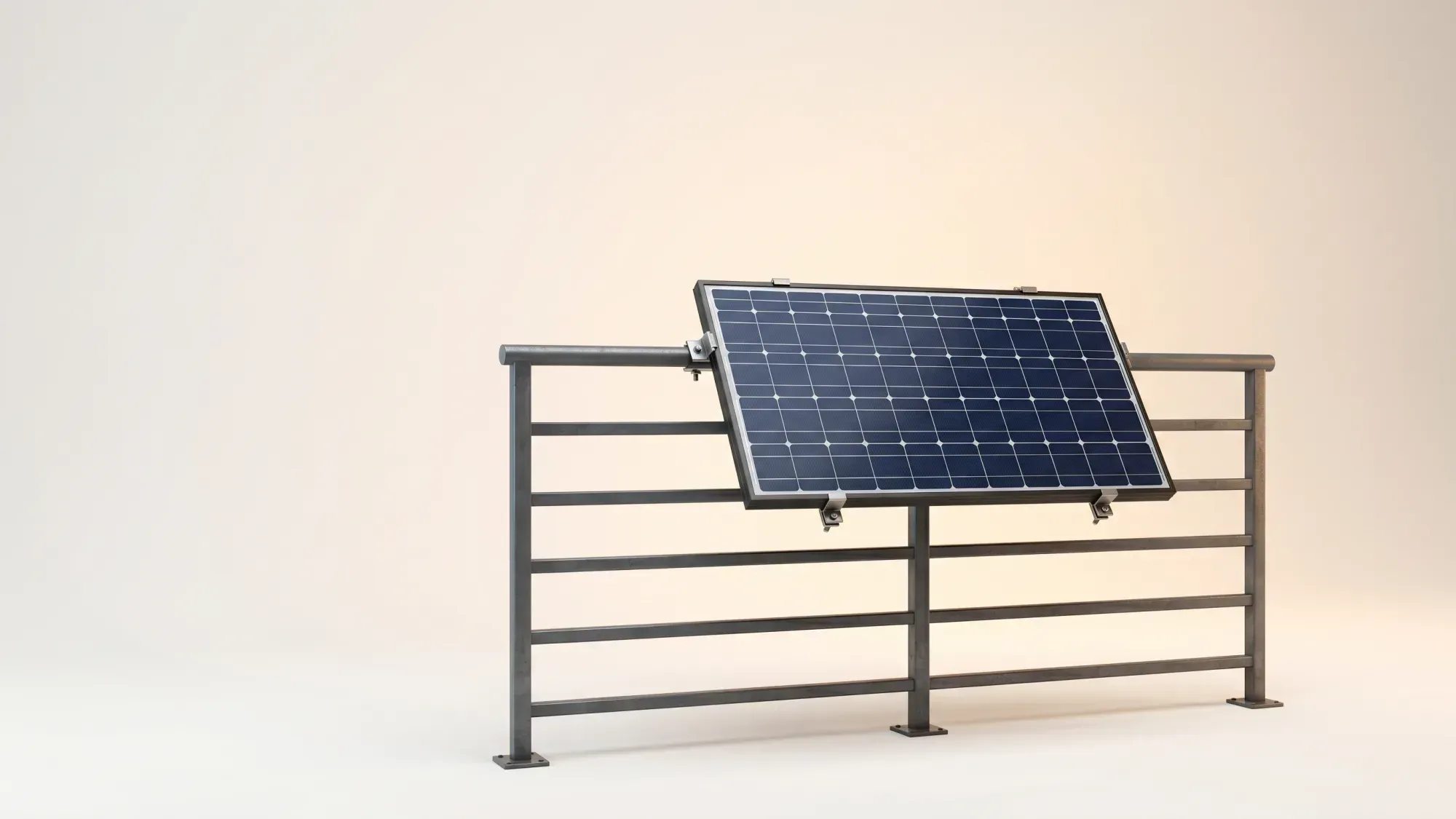
Balcony solar panels offer a practical way for individuals in flats or homes with limited roof space to generate their own electricity, giving them more control over their energy. While often marketed as 'plug-and-play', it is important to understand that UK regulatory compliance, including Distribution Network Operator (DNO) notification and adherence to G98/G99 engineering recommendations, is generally required for grid connection. This guide helps UK residents navigate the feasibility, cost-effectiveness, and regulatory landscape for balcony solar panels.
What are balcony solar panels?
Balcony solar panels are compact photovoltaic (PV) systems designed for smaller outdoor spaces such as balconies, patios, or garden walls. Unlike large rooftop installations, they are typically modular, making them easier to integrate into existing urban and suburban living arrangements. They provide an accessible entry point into renewable energy for those without extensive property or suitable roof space. To understand the broader context of how these systems integrate with your home, you might find our guide on how solar panels work on a house helpful.
How plug-in solar panels work
Plug-in solar panels convert sunlight into electricity for direct use in your home. The process begins with the solar panels capturing photons from sunlight, generating direct current (DC) electricity. This DC power then travels to a micro-inverter, a small device typically attached to the back of each panel or a small group of panels. The micro-inverter's essential function is to convert the DC electricity into alternating current (AC), which is the type of electricity used by household appliances. The term 'plug-in' refers to the system's ability to connect into your home's electrical system, often via a dedicated socket, allowing the generated electricity to offset your household consumption. Even on cloudy days, solar panels can still generate electricity, albeit at a reduced output.
Components of a balcony solar system
A typical balcony solar system comprises several key components:
- Solar panels: These are the photovoltaic modules that capture sunlight and convert it into DC electricity. Balcony panels typically range from 300W to 800W in individual panel capacity.
- Micro-inverter: This device converts the DC electricity from the panels into usable AC electricity for your home.
- Mounting system: Specialised brackets or frames designed to securely attach the panels to your balcony railing, wall, or other suitable surface.
- Cabling: Electrical wiring to connect the panels to the micro-inverter and then to your home's electrical system.
- Monitoring system (optional): Many systems come with an app or display to track energy generation and consumption.
Benefits of balcony solar for UK homes
Balcony solar panels offer a practical solution for urban and suburban residents looking to embrace clean energy and reduce their household expenses.
Reducing electricity bills
By generating a portion of your own electricity, balcony solar panels can directly reduce the amount of power you need to buy from the grid. The average UK home uses around 2,700 kWh of electricity per year1. While a small balcony system will not cover all your needs, it can significantly offset your base load, leading to noticeable savings on your monthly electricity bill. Understanding your average monthly electric bill with solar panels can help you gauge potential savings.
Contributing to clean energy
Installing balcony solar panels means you are actively participating in the transition to a cleaner energy system. You will be reducing your reliance on fossil fuels and lowering your carbon footprint, contributing to a more sustainable future for the UK.
Accessibility for limited spaces
One of the primary advantages of balcony solar is its suitability for properties with limited space. Flats, apartments, and homes without suitable roof access can still benefit from solar power, making renewable energy accessible to a broader demographic of UK residents.
UK regulatory landscape for balcony solar
Navigating the regulatory requirements for balcony solar panels in the UK is crucial for safe and legal operation. Despite marketing claims, 'plug-and-play' does not mean 'plug-and-forget' when it comes to grid connection.
Understanding DNO notification
All grid-connected microgeneration systems in the UK, including balcony solar panels, typically require notification to your local DNO within 28 days of commissioning. The DNO manages the local electricity network and needs to be aware of any generation connected to it to ensure stability and safety.
G98 and G99 compliance explained
Engineering Recommendations G98 and G99 are critical for connecting microgeneration systems to the UK grid. These recommendations outline the technical requirements and safety standards that must be met.
- G98 compliance: Systems with an aggregate capacity up to 16A per phase (approximately 3.68kW for a single-phase connection) generally fall under G98 engineering recommendations. For G98, the process is typically "fit and notify," meaning you install the system and then inform your DNO within 28 days of commissioning.
- G99 compliance: Systems with an aggregate capacity exceeding 16A per phase (or 3.68kW per phase) require compliance with G99 engineering recommendations. This involves a more detailed application process, often requiring DNO approval before installation.
The reality of 'plug-and-play' systems
The term 'plug-and-play' can be misleading. While these systems are designed for simpler installation, it does not exempt them from DNO notification or G98/G99 compliance for safe and legal connection to the National Grid. You are informing the DNO of a new generator on their network, not asking for permission for a simple appliance.
Are 'plug-and-play' solar panels exempt from UK regulations?
No. Despite marketing, 'plug-and-play' balcony solar systems in the UK are generally not exempt from regulatory requirements. All grid-connected microgeneration, including these systems, typically requires notification to your local DNO and compliance with either G98 or G99 engineering recommendations for safe and legal operation.
Installation and practical considerations
Careful planning and adherence to safety standards are paramount when installing balcony solar panels.
Assessing your balcony's suitability
Before purchasing, assess your property's suitability. Consider:
- Space: Do you have enough room for the panels without obstructing pathways or views?
- Orientation: South-facing balconies receive the most sunlight, maximising generation. East or west-facing can still be viable, but north-facing is generally unsuitable.
- Shading: Identify any potential shading from neighbouring buildings, trees, or other structures throughout the day and year.
- Structural capacity: Ensure your balcony can safely support the weight of the panels and mounting system, especially in windy conditions.
Mounting and positioning
Panels need to be securely mounted and positioned to capture maximum sunlight. This might involve railing mounts, floor stands, or wall brackets. The angle of the panels is also important for optimal energy capture.
Safety and electrical connections
While some systems are designed for DIY installation, it is crucial to ensure any installation strictly adheres to safety and regulatory guidelines. If you are unsure, consider arranging for professional installation or consulting a qualified electrician to ensure all electrical connections are safe and compliant.
Costs, savings, and return on investment
Understanding the financial aspects of balcony solar panels is key to making an informed decision.
Typical system costs in the UK
The cost of balcony solar panel systems in the UK can start from approximately £300-£500 for a basic 400W single panel setup. Prices can vary significantly based on panel wattage, micro-inverter quality, mounting hardware, and whether a battery storage option is included. A full 800W system might cost between £500 and £1,000 for panels and a micro-inverter.
Calculating potential energy savings
The amount you save will depend on several factors, including the system's output, your household's electricity consumption patterns, and the prevailing electricity prices. A well-positioned 400W panel in the UK might produce around 265 to 450 kWh annually, depending on location and conditions. At current electricity prices, a typical 800W system with good self-consumption could save roughly £144-£192 per year.
Factors affecting roi
The return on investment (ROI) for balcony solar panels is influenced by:
- System size and output: Larger systems generally generate more electricity and offer greater savings.
- Electricity usage: Maximising self-consumption (using the electricity as it is generated) improves ROI.
- Sunlight exposure: Balconies with optimal orientation and minimal shading will yield better returns.
- Future energy prices: Rising electricity prices can shorten the payback period.
Choosing the right balcony solar system
Selecting the appropriate system for your needs requires careful consideration of various specifications and features.
Key features to look for
When researching balcony solar panel systems, prioritise:
- Efficiency: Higher efficiency panels convert more sunlight into electricity in a smaller footprint.
- Micro-inverter quality: A reliable micro-inverter is crucial for system performance and longevity.
- Certifications: Ensure all components meet relevant UK and international safety standards.
- Ease of installation: While regulatory steps are still needed, some systems are physically simpler to set up.
System size and output
Balcony solar panels typically range from 300W to 800W in individual panel capacity. Consider your typical electricity usage and the available space to determine the most suitable system size. Remember that the total output capacity will influence the DNO notification requirements (G98 vs G99).
Warranties and support
Opt for reputable suppliers that offer robust warranties on both panels and inverters. Good customer support can be invaluable if you encounter any issues or have questions about your system's performance or compliance.
Integrating balcony solar with your home energy
Balcony solar panels can be a powerful component of a broader home energy strategy, especially when combined with smart technology.
Smart meters and energy monitoring
Integrating your balcony solar system with a smart meter allows for precise monitoring of your energy generation and consumption. This data can help you optimise your usage patterns, ensuring you consume the electricity you generate rather than exporting it unnecessarily. Many systems come with apps that provide real-time insights into your energy flow.
Future-proofing with battery storage
While most balcony solar systems are designed for direct consumption, pairing them with battery storage can further enhance your energy independence. Batteries allow you to store excess electricity generated during the day for use in the evenings or when generation is low, maximising your self-consumption and potentially reducing your reliance on the grid even further.
References
Disclaimer
For the avoidance of doubt, this article is provided for informational purposes only and is not intended to constitute legal or financial advice. The author and/or Fuse Energy shall not be responsible for any losses arising out of any reliance on the information contained herein.