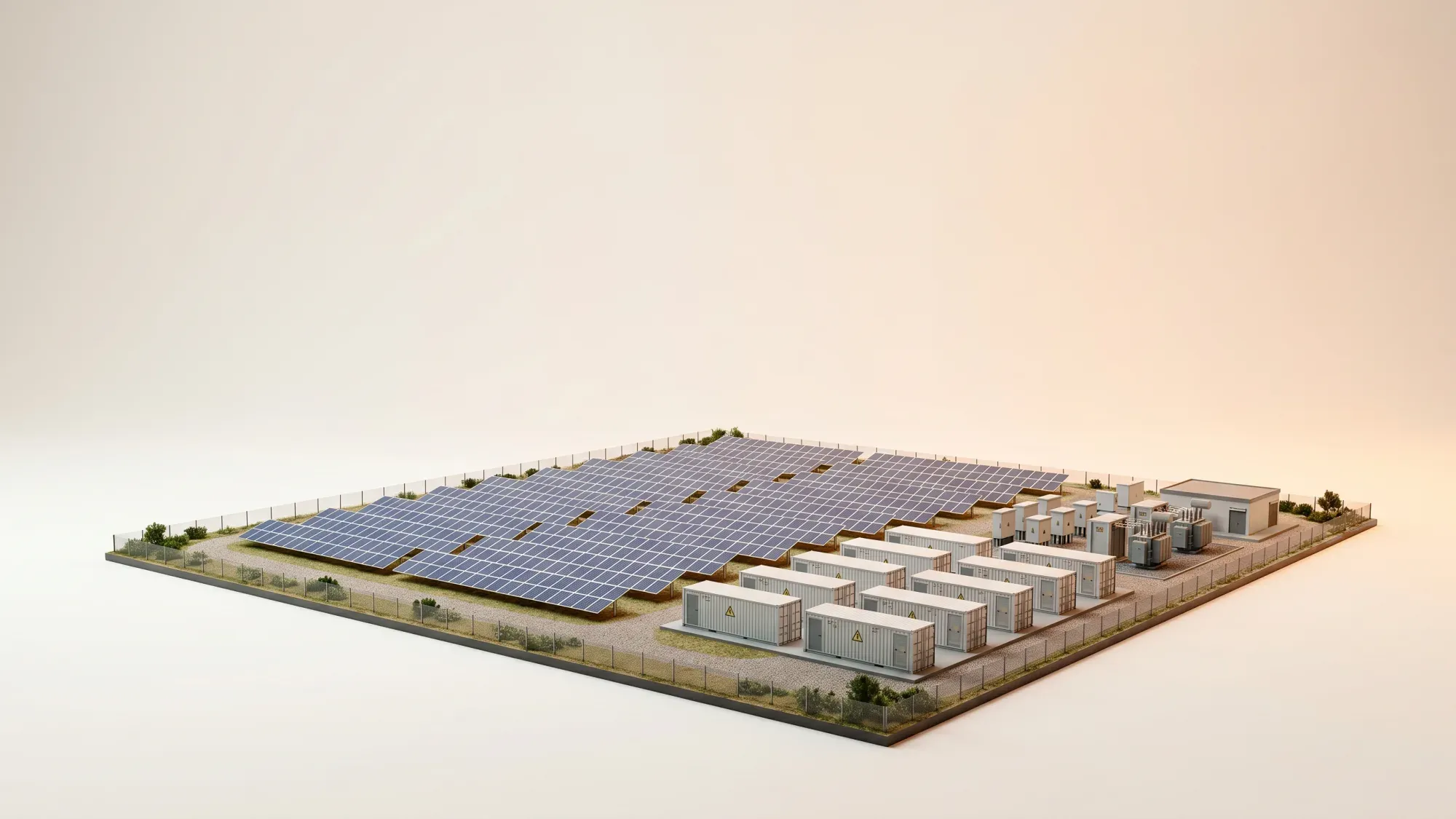
The UK government has granted planning approval for 1.2 GW of new solar capacity across three major projects in England within a five-day period1, marking a significant step for the nation's renewable energy infrastructure. This move "paves the way for construction to begin at three of the largest plants in England" and precedes the eighth UK Contracts for Difference (CfD) allocation round, which opens for bids on 20 July. These approvals are crucial for the government's ambitious Clean Power 2030 strategy, which aims for 45 GW of deployed solar capacity by 2030.
Harnessing the power of renewable energy is key to a sustainable future. Fuse Energy is committed to making clean energy accessible and affordable for homes across the UK.
With Fuse Energy, you get clear pricing, real-time usage data, 24/7 human customer support, and a modern energy experience designed around you. Signing up takes just a few minutes, so you could take control of your bills from day one. Click here to switch to Fuse Energy today and potentially save.
The UK's solar capacity is set for a substantial increase following the recent approval of 1.2 GW across three large-scale projects in England within a five-day period. This development is a significant boost for the country's renewable energy goals, paving the way for construction to begin on some of the largest solar plants in the country.
The scale of new approved capacity
These recent approvals add a significant 1.2 GW to the UK's solar pipeline, which is vital for expanding the National Grid's clean energy supply.
Key projects driving the increase in solar capacity
The approved projects include the 740 MW One Earth Solar Farm, the 320 MW Peartree Hill Solar Farm, and the 150 MW Dean Moor Solar Farm. All three are expected to feature co-located battery energy storage systems (BESS).
Co-located battery energy storage systems (BESS)
Integrating BESS with solar farms helps manage the intermittent nature of solar power. It stores excess energy generated during peak sunshine hours and releases it when demand is high or generation is low. This enhances grid stability and ensures a more consistent supply of renewable electricity. Homeowners can also benefit from home battery storage systems to maximise their own solar generation.
Large-scale energy projects in the UK navigate a specific regulatory landscape designed to manage their significant impact and ensure strategic development.
The national significant infrastructure planning (NSIP) process
Solar projects in England with a capacity of 100 MW or greater must secure planning permission through the National Significant Infrastructure Planning (NSIP) process. This centralised process handles decisions for major infrastructure projects, streamlining approvals for developments critical to national objectives, rather than relying on local planning departments.
Contracts for difference (CfD) allocation round 8
The eighth UK Contracts for Difference (CfD) allocation round opens for bids on 20 July. The CfD scheme is a key government mechanism designed to incentivise investment in renewable energy generation. It provides developers with a stable and predictable revenue stream, reducing investment risk and encouraging the deployment of new clean power projects.
The role of CfD in securing renewable energy investment
The CfD scheme offers renewable energy generators a guaranteed price for the electricity they produce. If the wholesale price of electricity falls below this agreed "strike price", the government pays the difference. Conversely, if the wholesale price rises above the strike price, generators pay back the difference. This mechanism provides revenue stability for developers, making large-scale renewable energy projects more attractive to investors.
The recent approvals are a crucial step towards the UK's broader clean energy ambitions.
The clean power 2030 strategy
The UK's Clean Power 2030 strategy outlines the nation's commitment to decarbonising its electricity system. This comprehensive plan aims to ensure a secure, affordable, and clean energy supply for the future.
The 45 GW solar deployment target
As part of this strategy, the UK aims for an ambitious 45 GW of deployed solar capacity by 2030. This target underscores the government's recognition of solar power's vital role in the energy transition.
Why these approvals are crucial for national goals
"Securing significant solar capacity through AR8 will be key to the government achieving ambitious solar deployment targets as part of its broader Clean Power 2030 strategy". These large-scale projects contribute substantially to the overall capacity needed to meet the 2030 goal, enhancing energy security and reducing reliance on fossil fuels. The approvals demonstrate tangible progress in building the infrastructure required for a cleaner, more resilient energy system.
While these projects are massive in scale, their success has tangible benefits for individual homeowners across the UK.
How increased national solar capacity benefits domestic installations
The growth in national solar capacity contributes to a more robust and reliable grid, making the overall energy system greener. This increased supply of renewable energy can help stabilise wholesale electricity prices, which could indirectly benefit homeowners through more competitive tariffs. Moreover, a thriving large-scale solar sector often drives innovation and economies of scale, potentially leading to more affordable and efficient solar technology for residential use. For those considering home solar, understanding the solar panel installation cost is a key first step.
Government incentives and support for residential solar
Homeowners interested in solar energy can benefit from various incentives. While specific grants and schemes can change, government initiatives often aim to reduce the upfront cost of installation or provide payments for electricity generated and exported to the grid. These can make home solar installations more financially viable.
Taking control of your energy with home solar and battery storage
The increasing abundance of clean energy nationally creates a favourable environment for homeowners to make their own 'power play'. Installing solar panels and battery storage systems allows you to generate your own electricity, reduce reliance on grid power, and store energy for use when the sun is not shining. This move offers greater control over your energy consumption and bills. Many homeowners also pair this with a smart meter installation to track usage.
Taking the step to install solar at home can feel complex, but with the right approach, it is a straightforward process to gain energy independence.
Planning your home solar project
Start by assessing your property's suitability. Consider roof orientation, shading, and available space for panels and a battery energy storage system. Researching local planning requirements is also a good idea, although many residential solar installations fall under permitted development rights.
Choosing the right solar solution for your property
Obtain quotes from several reputable solar installers. Compare not just the price, but also the panel efficiency, warranty, and the installer's accreditations. A well-chosen system can significantly reduce your energy bills and carbon footprint. Calculate the potential return on investment by considering installation costs, energy savings, and any export tariff earnings.
Fuse Energy: your partner in abundant, clean energy
Fuse Energy believes in a future with power to play with. As national solar infrastructure grows, we empower homeowners to make their own 'power play' by adopting home solar and battery storage. We are committed to rebuilding the energy system from scratch, supporting distributed solar and home energy upgrades. With easy home energy upgrades and transparent management, Fuse facilitates your journey towards greater energy independence.
Managing your energy bills should be clear and easy to understand. Fuse Energy focuses on straightforward pricing, so you can see exactly what you are paying without unnecessary complexity. If you have a smart meter, you can view detailed usage data through the app or website, helping you understand how you can lower your bills. Our 24/7 human support team is always on hand with fast response times whenever you need help. Click here to switch to Fuse Energy today. Find out about our mission by clicking here.