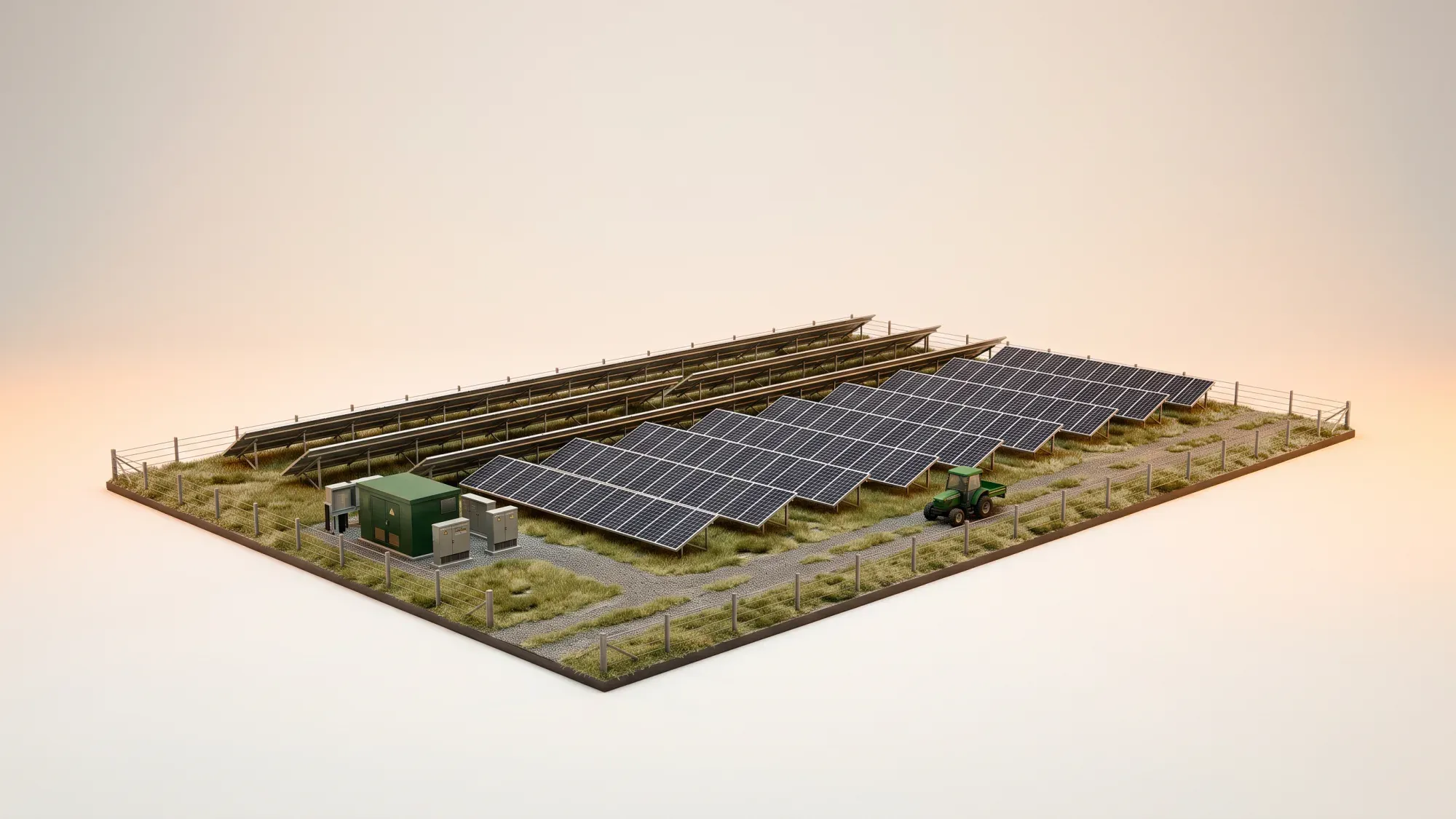
Solar energy supplied a record 14.4% of Great Britain's electricity in July 2023, marking a significant milestone for renewable energy generation within the UK's power sector1. This achievement underscores a tangible step towards a future with abundant energy, challenging the outdated narrative of scarcity.
Understanding your home's energy usage is key to managing your bills. Fuse Energy provides clear pricing and real-time usage data, helping you understand and control your electricity consumption. Click here to switch to Fuse Energy.
The July generation peak
In July 2023, solar farms and rooftop panels collectively provided 14.4% of Great Britain's electricity, setting a new monthly record. This figure represents a substantial increase, demonstrating solar power's growing contribution to the National Grid.
Surpassing previous milestones
This July 2023 record surpassed the previous monthly record of 12.4% set in May 2023. Furthermore, the July 2023 solar share was 50% higher than the 9.6% recorded in July of the previous year (2022). This consistent upward trend highlights the accelerating integration of solar into the UK's energy mix.
Favourable weather conditions
The record-breaking generation in July 2023 was partly attributed to long spells of cloudless weather across parts of the UK, which saw almost twice the average sunshine hours for the time of year. While weather conditions naturally influence solar output, the underlying capacity for this generation is crucial.
Increased capacity and investment
The surge in solar power is also a result of increased capacity and investment in both large-scale solar farms and domestic rooftop installations. More households are fitting solar panels to cut energy bills, contributing significantly to the overall solar capacity. If you're considering this, understanding the solar panel cost is a good first step.
Policy support and green targets
Government policies and investment in renewable infrastructure have been key drivers for the growth of solar power in the UK. The UK government aims to fully decarbonise its electricity system by 2035, subject to maintaining security of supply. This ambitious target provides a clear framework for continued solar expansion.
Reducing carbon emissions
Increased solar power generation directly contributes to the reduction of carbon emissions, moving the UK closer to its net-zero targets. By displacing fossil fuel-based electricity, solar energy helps to clean up the power sector and mitigate climate change.
Enhancing energy independence
Relying more on homegrown solar power enhances the UK's energy independence and security, reducing exposure to volatile international energy markets. This shift towards domestic renewable sources strengthens the nation's energy resilience.
Balancing the grid with renewables
Integrating intermittent renewable sources like solar requires sophisticated grid management. The UK's electricity grid is undergoing a significant transition to accommodate a diverse mix of renewables, including solar, wind, and hydro, ensuring a reliable supply. Many homeowners pair solar with a smart meter installation to track usage and manage their energy more effectively.
Continued growth and innovation
The trajectory for solar energy in the UK points towards continued growth and innovation. Advances in photovoltaic technology and energy storage solutions will further enhance solar's efficiency and reliability.
Role in decarbonisation targets
Solar power is central to the UK's ambition to achieve a decarbonised electricity system by 2035. Alongside wind, it is expected to account for a significant portion of total electricity generation, transforming the energy landscape.
Beyond the grid: storage and smart homes
The future of solar extends beyond large-scale generation to integrated home energy systems. Battery storage and smart home technologies will allow consumers to maximise their self-generated solar power, reducing reliance on the grid and fostering greater energy independence.
Challenging the scarcity mindset
The UK's solar power records are tangible proof that a future of energy abundance is not just possible, but actively being built. These milestones directly challenge the outdated narrative of energy scarcity, demonstrating that 'more' energy is achievable through clean, abundant sources.
National progress, personal abundance
Increased solar generation shifts power towards a more decentralised, resilient, and cleaner energy system, putting more control into the hands of the nation and, eventually, the consumer. The average UK home uses around 2,500 kWh of electricity per year. As solar contributes more to the national mix, the benefits of cleaner, more affordable energy can increasingly be felt by individual households. Fuse Energy aligns with this mission to deliver abundant, clean energy, empowering customers with transparent pricing and real-time usage data.
Ready to take control of your energy? Switch to Fuse Energy today and join the movement towards a future with power to play with. Our sign-up process is quick and easy, and our 24/7 human support team is always on hand to help. Find out more about our mission by clicking here.
Take the stress out of managing your energy. With Fuse Energy, you get clear pricing, real-time usage data, 24/7 human customer support, and a modern energy experience designed around you. Signing up takes just a few minutes, so you can take control of your bills from day one. Click here to switch to Fuse Energy today and start saving.
Managing your energy bills should be clear and easy to understand. Fuse Energy focuses on straightforward pricing, so you can see exactly what you're paying without unnecessary complexity. If you have a smart meter, you can view detailed usage data through the app or website, helping you understand how you can lower your bills. If you don't have a smart meter, Fuse Energy can upgrade your non-smart meter, completely for free. This can make it easier to track spending and make informed decisions about your energy use. Our 24/7 human support team is always on hand with fast response times of under 5 minutes whenever you need help. Click here to switch to Fuse Energy today. Find out about our mission by clicking here.
References
- The Guardian. Solar power's record share in Britain's electricity in July