UK power prices and gas independence: a strategic outlook for businesses
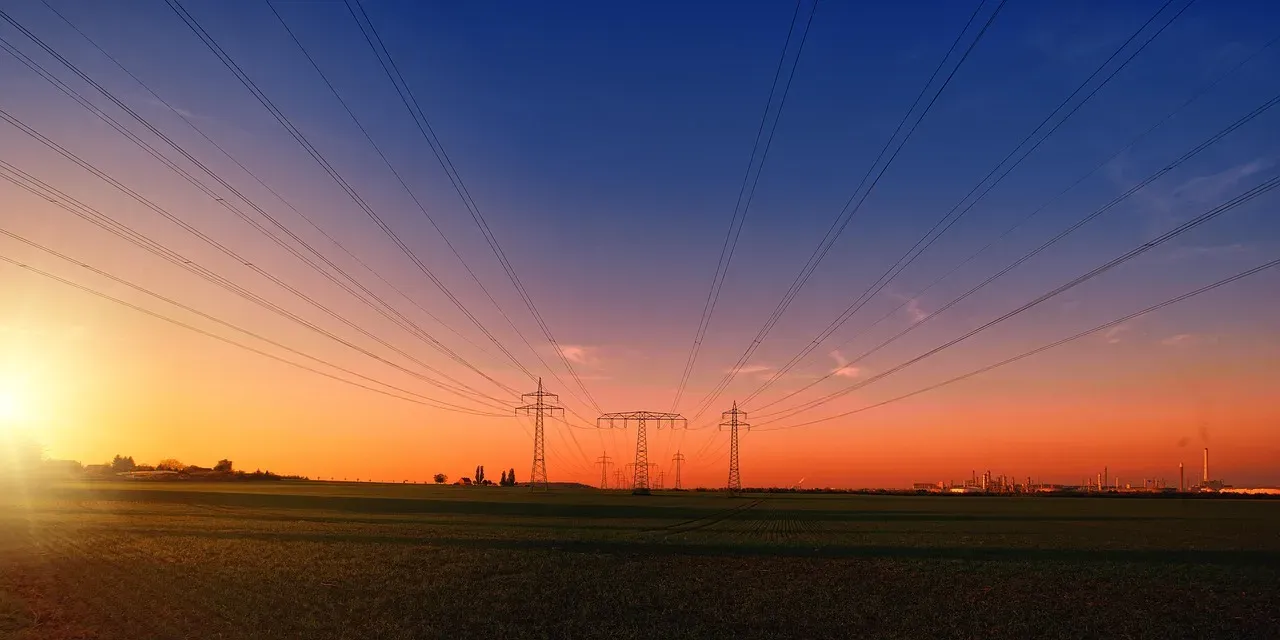
The UK's energy landscape is undergoing a significant transformation, driven by the imperative to enhance energy security and stabilise UK power prices. For businesses, understanding this shift towards gas independence is crucial for managing costs and planning for the future. This article explores the evolving relationship between British electricity costs and gas, the strategies for decoupling them, and the practical steps businesses can take to navigate this dynamic UK energy market.
As energy markets evolve, businesses are increasingly seeking greater transparency, flexibility, and control over their energy procurement and consumption. In response, suppliers such as Fuse Energy are developing digital-first solutions designed to help you better manage energy costs, monitor usage, and navigate a rapidly changing market environment. Click here to switch to Fuse today.
Enter your address to get a quote and see how much you could save
Understanding the UK's energy landscape and gas reliance
Historically, UK power prices have been heavily influenced by global gas markets. Gas-fired power stations often set the marginal price for electricity, meaning fluctuations in gas price impact UK electricity bills directly. This reliance has exposed businesses to considerable energy price volatility UK, making budgeting and forecasting a challenge. The UK energy mix has long included a substantial proportion of gas, contributing to the nation's energy supply challenges. This dependency has underscored the urgent need for greater energy security UK and a more resilient energy supply UK.
Decoupling power prices: the UK's energy transition strategy
The UK is actively pursuing a strategy to decouple UK electricity prices from gas, aiming for greater UK energy independence. This involves a robust energy transition UK, with significant investment in renewable energy UK and other low-carbon sources. Key initiatives include Electricity Market Reform (EMR) UK1, which aims to decarbonise electricity generation and secure investment in low-carbon technologies, and a focus on diversifying UK power generation. The British Energy Security Strategy2, published in April 2022, also aims to accelerate homegrown power for greater energy independence, targeting large capacity increases in nuclear, renewables, and hydrogen. The goal is to build a future of green energy UK that reduces exposure to volatile fossil fuel markets. This strategic shift in UK energy policy and UK energy strategy is reshaping the energy sector UK, promising a more stable and sustainable future of UK energy through enhanced energy diversification UK and improvements to UK energy infrastructure. The government aims to provide 95% of UK electricity from low-carbon sources by 2030, on track to fully decarbonise the power system3.
Managing energy costs and volatility for UK businesses
For UK businesses, navigating the current UK energy market requires a proactive approach to managing energy costs UK. The ongoing power market trends UK indicate a continued push towards renewables, but also highlight the need for businesses to adapt to new pricing structures and potential short-term volatility. Understanding the components of UK electricity prices and how they are influenced by both wholesale markets and national policy is essential. Businesses that can effectively manage their energy consumption and procurement strategies will be better positioned to mitigate the impact of energy price volatility UK.
Practical steps for businesses towards greater energy independence
Achieving greater UK energy independence for your business involves strategic planning and investment. Here are some practical steps:
- Optimise energy consumption: Conduct regular energy audits to identify areas for efficiency improvements. Implementing smart technologies and behavioural changes can significantly reduce overall energy costs UK. Government schemes and advice are available to support businesses in improving energy efficiency.
- Explore renewable energy procurement: Consider Power Purchase Agreements (PPAs) directly with renewable energy UK generators. PPAs can offer long-term price stability, mitigate price volatility with fixed-price contracts, and align with sustainability goals.
- Invest in on-site generation: For suitable businesses, installing solar panels or other forms of on-site UK power generation can provide a direct route to reducing reliance on grid electricity and enhancing energy security UK. On-site generation can offer greater control over energy supply and reduce susceptibility to price fluctuations. Common solutions include rooftop solar, small-scale wind power, and battery storage.
- Engage with demand-side response (DSR): Participate in programmes that reward businesses for adjusting their energy use during peak times. DSR schemes pay businesses to be flexible with their energy consumption, helping to stabilise the electricity grid and potentially generating revenue.
- Monitor the UK energy market: Stay informed about power market trends UK, regulatory changes, and new technologies to make informed decisions about your energy supply UK.
Managing your energy bills should be clear and easy to understand. Fuse Energy focuses on straightforward pricing, so you can see exactly what you're paying without unnecessary complexity. If you have a smart meter, you can view detailed usage data through the app or website, helping you understand how you can lower your bills. If you don't have a smart meter, Fuse Energy can upgrade your non-smart meter, completely for free. This can make it easier to track spending and make informed decisions about your energy use. Our 24/7 human support team is always on hand with fast response times of under 5 minutes whenever you need help. Click here to switch to Fuse Energy in as little as 3 minutes. Find out about our mission by clicking here.
References
- Department of Energy & Climate Change. Electricity Market Reform: policy overview.
- UK Government. British energy security strategy.
- UK Government. Make Britain a Clean Energy Superpower.
Disclaimer
For the avoidance of doubt, this article is provided for informational purposes only and is not intended to constitute legal or financial advice. The author and/or Fuse Energy shall not be responsible for any losses arising out of any reliance on the information contained herein.