Plug-in batteries: a UK energy game changer overlooked by policy
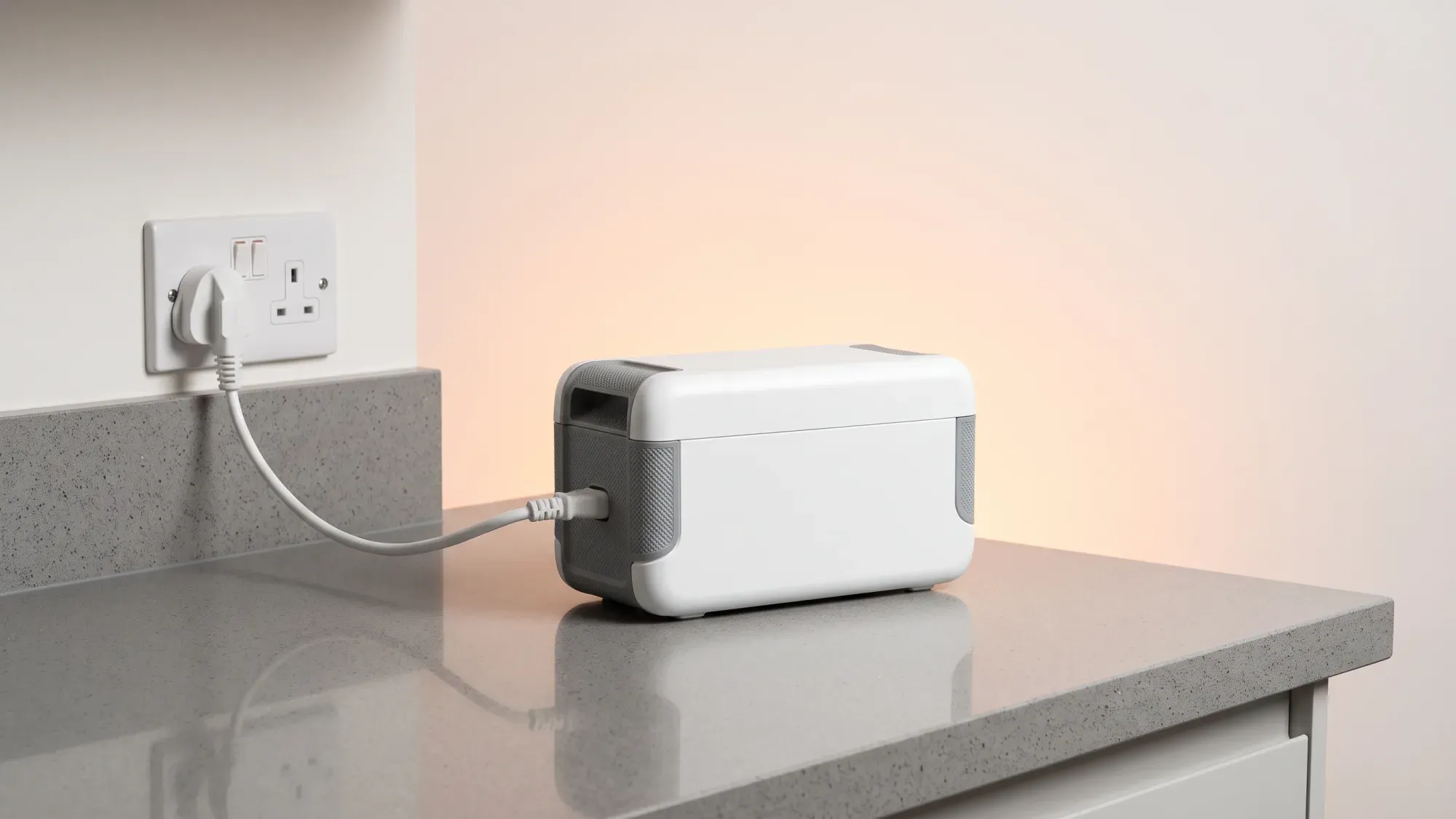
Small, plug-in home batteries are emerging as a significant opportunity for the UK's energy system. These compact devices offer homeowners a straightforward path to lower electricity bills and greater energy independence. Often described as "shoe box size" units, they could be a "game changer" by allowing households to actively participate in smart electricity tariffs and optimise their energy usage. While current government policy has largely focused on larger, professionally installed battery solutions, the potential of these smaller, easy-to-integrate units is gaining recognition, despite being "partially noticed" or overlooked in policy discussions1.
What are UK plug-in home batteries?
The rise of 'shoe box size' energy storage
Plug-in home batteries are compact, portable energy storage devices designed for domestic use. Unlike larger, permanently installed systems, many of these units are "shoe box size" and can simply plug into a standard wall socket. This significantly reduces installation complexity and cost, making them an accessible option for a wider range of UK homeowners looking to manage their energy more effectively.
Beyond solar: how they integrate with the grid
While often associated with solar panels, plug-in batteries offer substantial benefits even for homes without their own generation. Their primary utility lies in their ability to interact dynamically with the national electricity grid through smart tariffs. By charging when electricity is cheap and abundant, and discharging when demand is high and prices are expensive, these batteries help balance the grid and provide financial advantages to the homeowner. This integration supports a more flexible and decentralised energy system, moving beyond traditional energy consumption patterns.
The 'power play' with smart tariffs and negative prices
Leveraging variable electricity pricing for savings
The true "power play" of plug-in batteries comes alive when paired with smart electricity tariffs. These tariffs, such as Octopus Agile, feature variable pricing that can change frequently, sometimes every half-hour, reflecting the real-time cost of electricity on the wholesale market. By strategically charging their batteries during periods of low demand and low prices, and then using that stored energy when rates are higher, homeowners can significantly reduce their overall energy expenditure.
Understanding negative prices: getting paid to use energy
An increasingly common phenomenon on smart tariffs is the occurrence of "negative prices". This happens when there is an excess of electricity generation, often from renewable sources like wind and solar, and demand is low. During these periods, you can be paid to take electricity off the grid. A plug-in battery can capitalise on these events by charging up, effectively earning money for the homeowner.
What are negative electricity prices?
Negative electricity prices occur when the wholesale cost of electricity falls below zero, typically due to high renewable generation and low demand. On specific smart tariffs, this means consumers can be paid to use electricity during these periods, effectively turning consumption into a financial benefit.
How plug-in batteries optimise energy flow
Plug-in batteries act as intelligent buffers within the home energy system. They can be programmed, often via a smartphone app, to automatically charge during the cheapest periods - including negative price events - and then release that stored energy during peak times when electricity is most expensive. This energy arbitrage not only saves money but also provides a degree of independence from real-time grid fluctuations, giving homeowners more control over their energy usage. Understanding your smart tariff can help you maximise these benefits.
Significant savings and energy independence for homeowners
Recouping costs: the potential for rapid return on investment
The financial benefits of plug-in batteries can be substantial. Through strategic charging and discharging, homeowners could potentially recoup the cost of a plug-in home battery in under two years through annual energy savings. This rapid return on investment is driven by the ability to exploit variable tariffs and avoid high peak-time rates.
Reducing peak demand charges and energy bills
By shifting electricity consumption away from peak hours, plug-in batteries help homeowners avoid the highest unit rates on their tariffs. This directly translates into lower monthly energy bills. Furthermore, by reducing demand during system-wide peaks, individual households contribute to a more stable and efficient National Grid, potentially reducing overall system costs in the long run.
Boosting energy resilience and self-sufficiency
Beyond financial savings, plug-in batteries offer enhanced energy resilience. Storing electricity provides a buffer against potential power outages, ensuring essential appliances remain operational. This increased self-sufficiency gives homeowners greater control and peace of mind, reducing reliance on a constantly fluctuating grid.
UK policy and the future of domestic battery storage
Current government focus: larger batteries vs plug-in units
The UK government's approach to home battery storage has historically leaned towards larger, professionally installed systems, often integrated with solar panels. This focus has meant that the unique advantages of smaller, plug-in units - their affordability, ease of installation, and broad applicability - have been "partially noticed" or overlooked in policy discussions.
The call for deregulation and VAT exemption
There has been significant advocacy for policies that specifically support the adoption of smaller, plug-in batteries. Matthew Lockwood, writing for the Sussex Energy Group, states that only professionally installed batteries are currently exempt from standard rate 20% VAT. He argues this exemption "should be extended to novel plug-in batteries as they arrive on the market to create a fair playing field". This move, along with further deregulation, could simplify the process for homeowners and manufacturers, unlocking the full potential of these devices.
Impact on the UK energy system and infrastructure
Widespread adoption of plug-in batteries could have a profound impact on the UK's energy system.
Disclaimer: This blog post is for informational purposes only and does not constitute financial or energy advice. Energy prices and tariffs can vary. Always consult with a qualified professional for personalised advice.
For the avoidance of doubt, this article is provided for informational purposes only and is not intended to constitute legal or financial advice. The author and/or Fuse Energy shall not be responsible for any losses arising out of any reliance on the information contained herein.
Plug-in batteries: a UK energy game changer overlooked by policy