Saving on energy bills with a Time of Use tariff
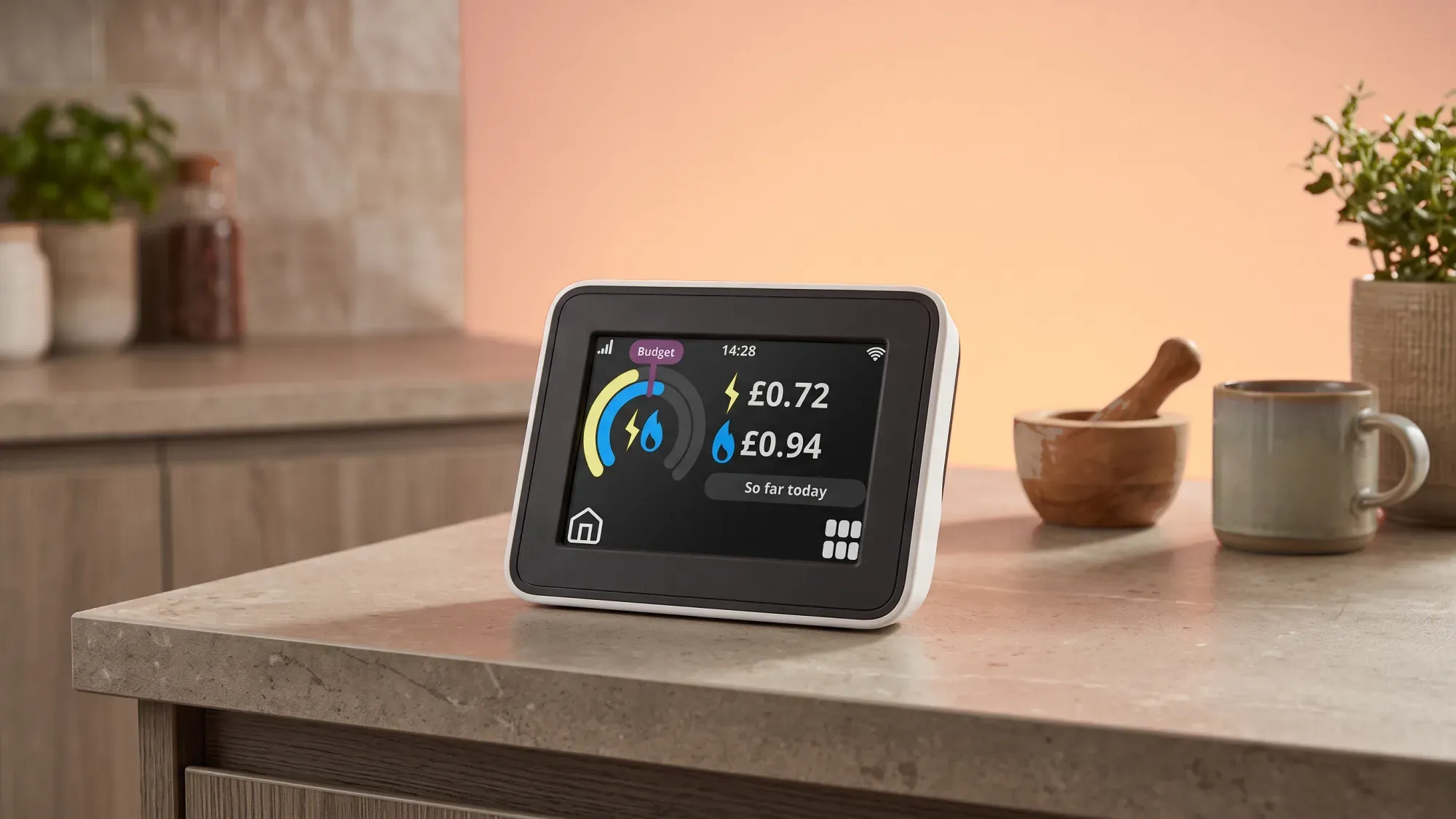
Time of Use (TOU) tariffs offer a straightforward way for UK homeowners to reduce electricity bills by paying different rates at different times of the day. These tariffs reward you for shifting energy use to off-peak hours, providing greater control over your spending and contributing to a more stable National Grid.
Enter your address to get a quote and see how much you could save
What is a Time of Use tariff?
A Time of Use tariff is an electricity pricing plan that varies the cost of electricity based on the time of day, week, or even season. Unlike traditional flat-rate tariffs where you pay the same price per unit regardless of when you use it, TOU tariffs introduce a dynamic pricing structure. This approach reflects the actual cost of generating and supplying electricity at different times, which fluctuates with demand.
Understanding variable energy pricing
The core idea behind variable energy pricing is to align the cost consumers pay with the wholesale price of electricity. During periods of high demand, electricity is more expensive to produce and deliver, so TOU tariffs charge more. Conversely, when demand is low, prices drop. This pricing model encourages consumers to become more aware of their energy consumption habits and make conscious choices about when they use power.
The role of peak and off-peak hours
TOU tariffs typically define specific "peak" and "off-peak" periods. Peak hours are when electricity demand is highest, usually during weekday evenings when most people are home, cooking, and using appliances. Off-peak hours, conversely, are periods of lower demand, often overnight or during the middle of the day. Some tariffs might also include "shoulder" periods with intermediate rates. By understanding these defined windows, you can strategically plan your energy use to take advantage of cheaper rates. This not only saves you money but also helps to balance the load on the National Grid, reducing strain during peak times.
How Time of Use tariffs work in the UK
In the UK, Time of Use tariffs are becoming increasingly common as the energy grid evolves. They are designed to make the most of renewable energy sources, which often generate electricity when demand is lower, and to manage the overall stability of the supply.
The importance of smart meters
Smart meters are highly beneficial for most modern Time of Use tariffs in the UK. These devices record your energy usage in half-hourly intervals and send this data directly to your energy supplier. This allows for accurate billing based on your actual consumption during different pricing periods. While smart meters provide granular data, some older multi-register meters can also support variable rates, albeit with less detail.
Do I need a smart meter for a Time of Use tariff?
While smart meters are highly beneficial for most modern Time of Use tariffs, they are not always essential. Some dual-rate manual meters can also support off-peak tariffs. Smart meters provide detailed half-hourly usage data, which allows for precise application of variable rates.
The UK government's smart meter rollout programme aims to offer every home a smart meter, which is crucial for these tariffs. Older multi-rate meters, such as those supported by the Radio Teleswitch Service (RTS), are being phased out, with the industry-wide switch-off having started on 30 June 2025. If you have an RTS meter, your current supplier will replace it with a smart meter at no cost.
Common tariff structures and examples
While specific tariffs vary between providers, common structures for Time of Use tariffs in the UK often include:
- Day/night rates: A simpler structure with one rate for daytime usage and a lower rate for overnight usage. This is similar to older Economy 7 tariffs but typically managed by a smart meter.
- Multi-period rates: More complex tariffs that might have three or more distinct pricing periods throughout the day, such as peak, off-peak, and shoulder rates. These offer greater flexibility for optimisation.
- Dynamic rates: Some advanced tariffs can even change rates daily or hourly based on real-time wholesale prices, offering the greatest potential for savings but requiring more active management.
These structures are designed to encourage consumers to shift their energy consumption away from periods of high demand, helping to balance the National Grid and reduce strain.
Benefits for UK homeowners
Adopting a Time of Use tariff offers several compelling advantages for UK homeowners, extending beyond just financial savings.
Potential for significant cost savings
By effectively shifting energy usage to off-peak hours, you can achieve significant savings on your electricity bills. The average UK home uses around 2,500 kWh of electricity per year, so even small savings can make a noticeable difference. These savings are achieved by running high-consumption appliances when electricity is cheapest, rather than during expensive peak times.
Contributing to grid stability and sustainability
Time of Use tariffs play a vital role in supporting the stability of the National Grid. When demand is spread out more evenly throughout the day, the grid experiences less stress, reducing the need for expensive and often carbon-intensive backup power generation. This also helps integrate more renewable energy sources, such as wind and solar, which generate electricity intermittently. By using energy when it is abundant and cheaper, you are indirectly supporting a greener, more sustainable energy system.
Increased control over energy spending
One of the most empowering aspects of a TOU tariff is the increased control it gives you over your energy spending. You are no longer a passive consumer; you become an active participant in managing your energy costs. Understanding when electricity is cheaper allows you to make informed decisions, giving you the power to influence your monthly bills directly. This control can lead to greater peace of mind and a more predictable energy budget. You can also learn how to read your smart meter to keep track of your usage.
Challenges and considerations
While Time of Use tariffs offer significant benefits, they also come with challenges that require active management and understanding. They are not a set-and-forget solution.
The need for usage shifting
The primary challenge is the need to actively shift a significant portion of your energy consumption to off-peak periods. If you continue to use most of your electricity during peak hours, a TOU tariff could end up costing you more than a standard flat-rate tariff. This requires a change in habits and routines, which might not suit every household.
Understanding your household's energy profile
Before switching, it is crucial to understand your current energy usage patterns. Identify which appliances consume the most electricity and when they are typically used. Consider how flexible your household is: can you run your washing machine overnight? Can your electric vehicle charge during the early hours of the morning? Knowing your energy profile will help you determine if a TOU tariff is a good fit and how much you stand to save.
Meter compatibility and upgrades
While smart meters are highly beneficial for most modern Time of Use tariffs, they are not always essential. If you have an older RTS meter, your current supplier will replace it with a smart meter at no cost, as the RTS system is being phased out. This upgrade is a necessary step for those with RTS meters to ensure accurate billing and access to modern tariffs. You can also consider a smart meter installation if you have an older, traditional meter.
Optimising your energy usage
Once you are on a Time of Use tariff, optimising your energy usage becomes key to maximising savings. This involves strategic planning and, in some cases, smart technology.
Smart appliances and home automation
Modern smart appliances, such as washing machines, dishwashers, and tumble dryers, often come with built-in timers or can be controlled remotely via an app. This allows you to schedule them to run automatically during off-peak hours, even when you are not home. Smart plugs can also turn regular appliances into 'smart' ones, enabling you to automate their operation during cheaper periods.
Strategic EV charging
Electric vehicle (EV) charging is one of the biggest energy consumers in many households. With a TOU tariff, charging your EV during off-peak hours can lead to substantial savings. Many EV chargers and vehicles can be programmed to start charging automatically when electricity rates are lowest, ensuring your car is ready when you need it without incurring peak charges.
Scheduling high-consumption activities
Beyond smart appliances and EVs, consider other high-consumption activities you can shift. This might include:
- Hot water heating: If you have an immersion heater, schedule it to heat water overnight.
- Battery storage: If you have a home battery, charge it during off-peak times and discharge it during peak hours to power your home.
- Cooking: Plan meals that require less oven use during peak evening hours, or use slow cookers that can run during the day.
Choosing the right Time of Use tariff
Selecting the best Time of Use tariff requires careful consideration of your lifestyle and the specific offerings from different energy providers.
Comparing rates and terms
Do not just look at the off-peak rate; compare the peak rates, standing charges, and any potential exit fees across different tariffs. A very low off-peak rate might be offset by a very high peak rate, which could be detrimental if you cannot shift enough of your usage. Use comparison websites and directly check supplier offerings, paying close attention to the exact timings of peak and off-peak periods.
Assessing your lifestyle and flexibility
The most suitable TOU tariff for you will depend heavily on your household's ability to adapt. If you have a flexible schedule, work from home, or own an EV, you will likely find it easier to benefit. Households with less flexibility, or those who are unable to shift significant energy use, might find a TOU tariff less advantageous or even more expensive. Be realistic about how much you can change your habits.
Support and tools for management
Managing a Time of Use tariff effectively often means staying informed about your consumption and the changing rates. Energy suppliers that offer intuitive apps with real-time usage insights, alerts, and automation features can greatly simplify this process. Having access to 24/7 human customer support can also provide reassurance and guidance as you navigate optimising your energy usage.
Making the most of a Time of Use tariff means having clear information and support. Fuse Energy provides transparent pricing and an intuitive app to help you track your energy usage in real-time, making it easier to shift consumption to cheaper periods. Our 24/7 human customer support team is always on hand to assist you. Discover a smarter way to manage your energy and contribute to a more sustainable grid.
Click here to switch to Fuse Energy today and take control of your energy bills. You can also learn more about our mission to power a cleaner future here.
Disclaimer
For the avoidance of doubt, this article is provided for informational purposes only and is not intended to constitute legal or financial advice. The author and/or Fuse Energy shall not be responsible for any losses arising out of any reliance on the information contained herein.