Heat pump surveys: homeowners question radiator upgrade advice
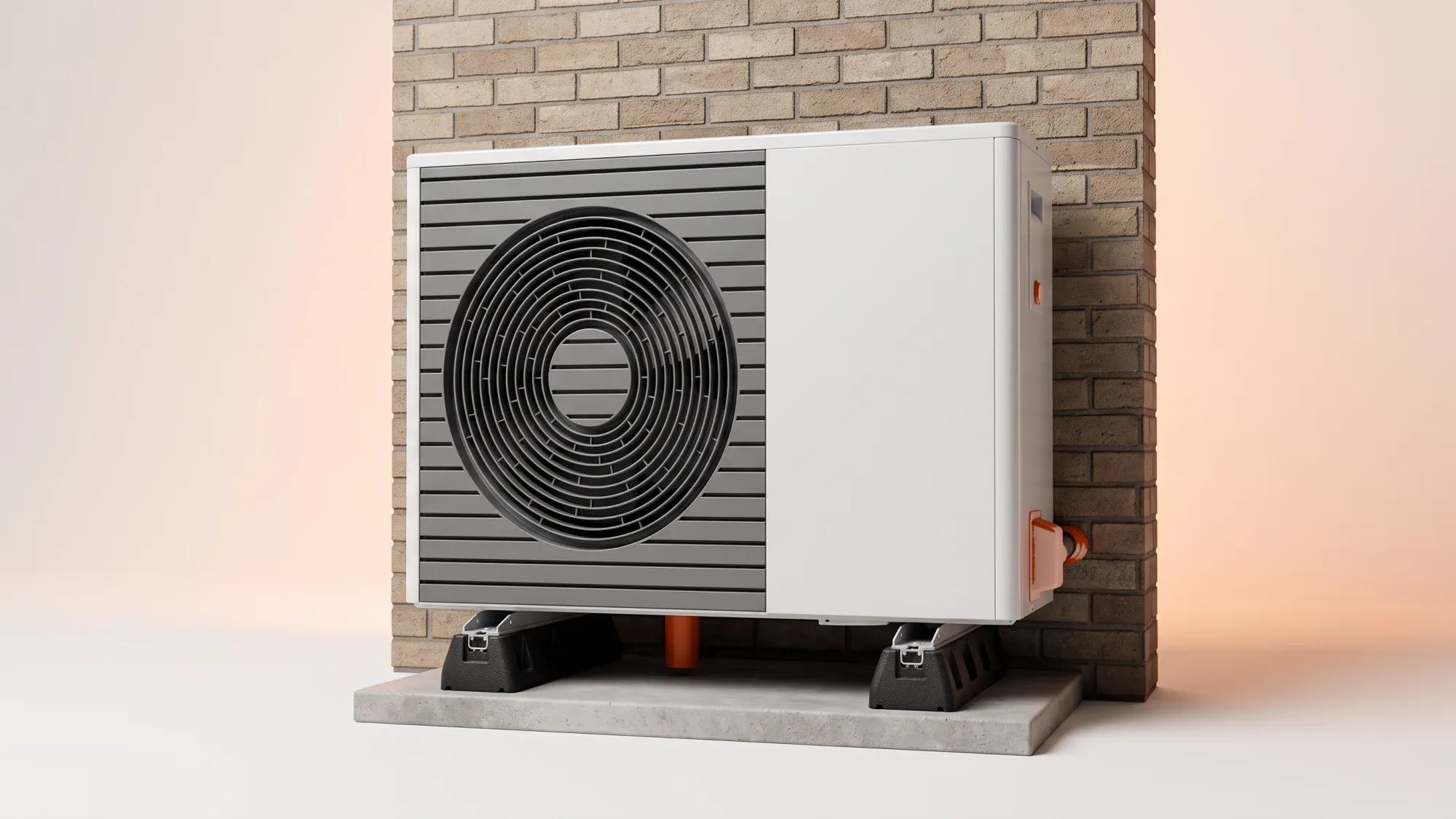
Installing a heat pump can significantly improve your home's energy efficiency, but many UK homeowners find themselves questioning whether their existing radiators are up to the task. A common concern arises when heat pump surveys recommend costly radiator replacements, even if current heating systems seem adequate. This often stems from a misunderstanding of how heat pumps interact with your home's heating emitters.
Understanding heat pumps and low-temperature heating
Heat pumps operate differently from traditional boilers, fundamentally changing how your home is heated. Unlike boilers that burn fuel to generate high-temperature water, heat pumps extract heat from the air or ground and transfer it into your home's heating system. This process is highly efficient, but it relies on lower operating temperatures.
How heat pumps work
Heat pumps function by moving heat from one place to another, rather than creating it. An air source heat pump, for example, absorbs heat from the outside air, even on cold days, and uses a refrigerant cycle to increase its temperature before releasing it into your home's heating and hot water systems. This means for every unit of electricity consumed, a heat pump can deliver multiple units of heat, making them very efficient.
The role of flow temperature
The key difference lies in the "flow temperature" - the temperature of the water circulating through your heating system. Traditional gas boilers typically operate with flow temperatures between 60°C and 80°C. Heat pumps, however, achieve optimal efficiency when running at much lower flow temperatures, usually between 35°C and 55°C. Each degree of flow temperature can impact efficiency, with higher flow temperatures generally leading to increased electricity consumption.
Running a heat pump at the lowest possible flow temperature that still maintains comfort is crucial for maximising its efficiency and reducing running costs.
Are your existing radiators compatible?
The lower flow temperatures of heat pumps directly impact the performance of your existing radiators. Radiators designed for high-temperature boiler systems may struggle to adequately heat a room when supplied with cooler water.
Assessing radiator output
Radiator heat output is directly proportional to its surface area and the temperature difference between the radiator and the room. If you put lower temperature water through a radiator, it puts out less heat, meaning its wattage output is lower. This relationship is not linear; output drops quickly as the temperature difference falls. For instance, a radiator's output at a 30°C temperature difference (ΔT30) will be significantly lower than at a 50°C difference (ΔT50).
The impact of lower flow temperatures
Many older UK heating systems were designed for high flow temperatures. When a heat pump operates at 45-55°C, these radiators might not provide enough heat to keep your home comfortable, especially during colder periods. This is why heat pump surveys often recommend replacing existing radiators with larger ones or alternative emitters like underfloor heating to compensate for the lower flow temperature.
Can I test my radiators' compatibility with a heat pump?
Yes, you can simulate heat pump efficiency by lowering your gas boiler's flow temperature to around 55°C. This helps you understand how your home performs with constant, lower-temperature heating and can reveal if your current radiators are sufficient. Ensure your radiator valves are fully open for this test.
The importance of accurate heat loss calculations
Accurate heat loss calculations are the bedrock of an efficient heat pump system. Without them, any recommendations for radiator upgrades or system sizing are merely guesswork.
Why surveys matter
Heat loss calculations determine a building's heating needs by quantifying heat loss through its fabric (walls, windows, roof, floor) and ventilation. These calculations are essential for correctly sizing heat pumps and ensuring optimal efficiency, preventing the system from being under or oversized. In the UK, heat pump installations must adhere to Microgeneration Certification Scheme (MCS) standards, which require detailed heat loss calculations for compliance and optimal performance.
The calculations consider factors like the area and U-value (how well a material conducts heat) of building components, as well as the temperature difference between inside and outside. Ventilation heat loss, which accounts for heat lost when warm indoor air is replaced by colder outdoor air, is also a critical component.
Questioning recommendations
It's crucial for homeowners to critically evaluate heat loss assessments and radiator upgrade proposals. Recently, a UK homeowner shared their experience on Reddit1 after a heat pump survey recommended replacing downstairs radiators. This was despite their existing boiler effectively heating the home at a similar flow temperature of around 55°C (131 Fahrenheit). The homeowner noted that their current boiler runs at about 55°C (131 Fahrenheit) normally and they had "not had a problem heating the downstairs at all". Commenters on Reddit suggested that such estimates might be overly cautious, potentially not fully reflecting factors like insulation improvements or heat from people and appliances.
It is advisable to "Get more quotes" and question assumptions about heat loss and radiator output before undertaking costly upgrades. The total of room-by-room heat losses no longer matches the building's overall heat loss in the latest BS 12831:2017 standard, which can lead to overestimation if not applied correctly.
Radiator upgrade options and considerations
If radiator upgrades are genuinely necessary, understanding the available options and their implications is vital for making an informed decision.
Types of heat pump radiators
When upgrading, you might consider radiators specifically designed for low-temperature heating. These often have a larger surface area to maximise heat transfer at lower flow temperatures. Some modern radiators, known as "low H2O" rads, contain less water and feature heat exchangers, often made from aluminium and copper, to provide more effective and responsive heat convection. Vertical radiators can also maximise the "chimney effect" (natural convection) for impressive results at low water temperatures.
Cost vs efficiency trade-offs
Replacing radiators can be a substantial expense, with costs varying significantly based on size, type, and installation complexity. While specific costs can vary, it's important to factor in both material and labour charges for any upgrades.
While the Boiler Upgrade Scheme (BUS) provides grants for heat pump installations in England and Wales, these grants do not directly cover radiator upgrades. This means the cost of new radiators will be an additional expense. However, investing in appropriately sized radiators can significantly improve your heat pump's efficiency, leading to lower long-term running costs. Lowering the flow temperature, for example from 55°C to 45°C, can notably cut running costs by improving the Coefficient of Performance (COP). You can learn more about heat pump grants in the UK to understand eligibility and application processes.
Complementary home improvements
Before committing to extensive radiator upgrades, consider improving your home's insulation. A well-insulated house retains heat more effectively, reducing the overall heat demand and potentially making your existing radiators more suitable for a heat pump system. Loft, cavity wall, and floor insulation can be cost-saving measures that reduce how much radiator output you need.
Optimising your heat pump system for efficiency
Once your heat pump and radiators are in place, smart energy management becomes crucial for maximising efficiency and controlling costs.
Smart energy management
Running a heat pump continuously at lower temperatures, rather than in short bursts, is generally more efficient. This approach helps maintain a stable indoor temperature and prevents the heat pump from working harder to bring the temperature up from a cold start.
Fuse's app and smart tariffs can help homeowners manage the energy consumption of their heat pump and compatible radiators more cost-effectively. By providing clear energy insights, Fuse empowers you to understand your usage patterns and make informed decisions about when and how to heat your home, potentially taking advantage of cheaper off-peak electricity. Pairing your heat pump with a smart meter installation can provide the detailed usage data needed to optimise your heating schedule.
Long-term running costs
The long-term running costs of your heat pump system are heavily influenced by its efficiency, which in turn depends on factors like flow temperature, radiator sizing, and home insulation. While the upfront cost of a heat pump installation can be significant (typically £7,000 to £15,000 before grants), the £7,500 BUS grant can substantially reduce this. However, the vast majority of homes require further work, such as replacing pipework, insulation, or radiators, to make the heat pump function efficiently. Understanding your energy bill and how these costs are calculated is also important for managing your overall expenses. You can find more information on understanding your energy bill on our blog.
By optimising radiator performance and embracing smart energy management, you can ensure your heat pump delivers comfortable home heating while keeping your energy bills in check. This aligns with Fuse's vision of abundant energy, allowing you to get more heat and comfort for your energy spend.
Disclaimer
For the avoidance of doubt, this article is provided for informational purposes only and is not intended to constitute legal or financial advice. The author and/or Fuse Energy shall not be responsible for any losses arising out of any reliance on the information contained herein.