The UK's energy policy is navigating a complex landscape, balancing the need for secure, affordable, and sustainable energy with an ambitious commitment to reach net zero emissions. While the overarching strategy maintains a consistent direction, there are growing calls for a more rapid transition, a perspective notably championed by Miatta Fahnbulleh. This dual focus on continuity and accelerated climate action defines the current trajectory of the nation's energy future.
Managing your home's energy should be straightforward and clear. Fuse Energy aims to provide transparent pricing and engaging app features to help you understand and control your energy consumption. Click here to switch to Fuse Energy today.
The bedrock of UK energy policy rests on a fundamental "trilemma": ensuring energy security, maintaining affordability for consumers, and driving decarbonisation (also known as sustainability). These three pillars guide strategic decisions, from investment in new generation capacity to regulatory frameworks. Successive UK governments have consistently used this trilemma as a basis for policy development.
The energy trilemma: security, affordability, decarbonisation
Energy security means ensuring a reliable and adequate supply of energy, resilient to both short-term disruptions and long-term challenges. Affordability focuses on minimising the cost of energy for consumers. Decarbonisation involves reducing carbon and other greenhouse gas emissions from energy supply and use to mitigate climate change impacts. Balancing these often-competing objectives is a complex challenge for policymakers.
Continuity amidst calls for accelerated change
Current UK energy strategy aims to balance the continuity of existing approaches with the urgent need for accelerated climate action. The Department for Energy Security and Net Zero (DESNZ) is the government body responsible for delivering UK energy security, protecting billpayers, and achieving net zero. Ofgem, the energy regulator for Great Britain, plays a crucial role in regulating the gas and electricity markets, protecting consumer interests, and ensuring a clean, fair, and secure energy system.
The UK has a legally binding target to achieve net zero greenhouse gas emissions by 2050. This ambitious goal, established by the Climate Change Act 2008 and strengthened in 2019, positions the UK as the first major economy to commit to such a legally binding target.
Legislative commitments and strategic goals
The Climate Change Act 2008 mandates a 100% reduction in greenhouse gas emissions by 2050 compared to 1990 levels. This framework includes a system of five-year carbon budgets to cap national emissions and ensure progress towards the long-term target. The Climate Change Committee (CCC), an independent body established under the Climate Change Act 2008, advises the government on these targets and monitors progress.
Miatta Fahnbulleh's perspective on expedited transition
Amidst the established legislative framework, figures like Miatta Fahnbulleh have expressed support for a more rapid move towards net zero.1 This perspective highlights a desire to expedite the transition beyond the current pace, advocating for swifter action in climate goals.
Key pillars of decarbonisation efforts
Decarbonisation efforts are multi-faceted, focusing on increasing domestic renewable energy generation and nuclear power. The UK's energy mix is increasingly shifting towards renewable sources. In Q4 2023, renewables accounted for a record 50.4% of UK electricity generation. This growth was driven by new capacity, with renewable capacity increasing by 7.3% (4.1 GW) in 2023, half of which came from solar PV. Wind power remained a significant contributor, generating 29.2% of total electricity in 2023.
The British Energy Security Strategy, published on 7 April 2022, outlines the UK's plan to increase energy independence and boost domestic production. This strategy was developed in response to global energy concerns and aims to expand home-grown, low-carbon energy sources.
Reducing reliance on imports
A core objective of the strategy is to reduce the UK's reliance on volatile international energy markets and foreign sources. This involves diversifying energy supplies and enhancing self-sufficiency, particularly in the wake of geopolitical events that have highlighted the vulnerabilities of energy imports.
Investing in domestic generation capacity
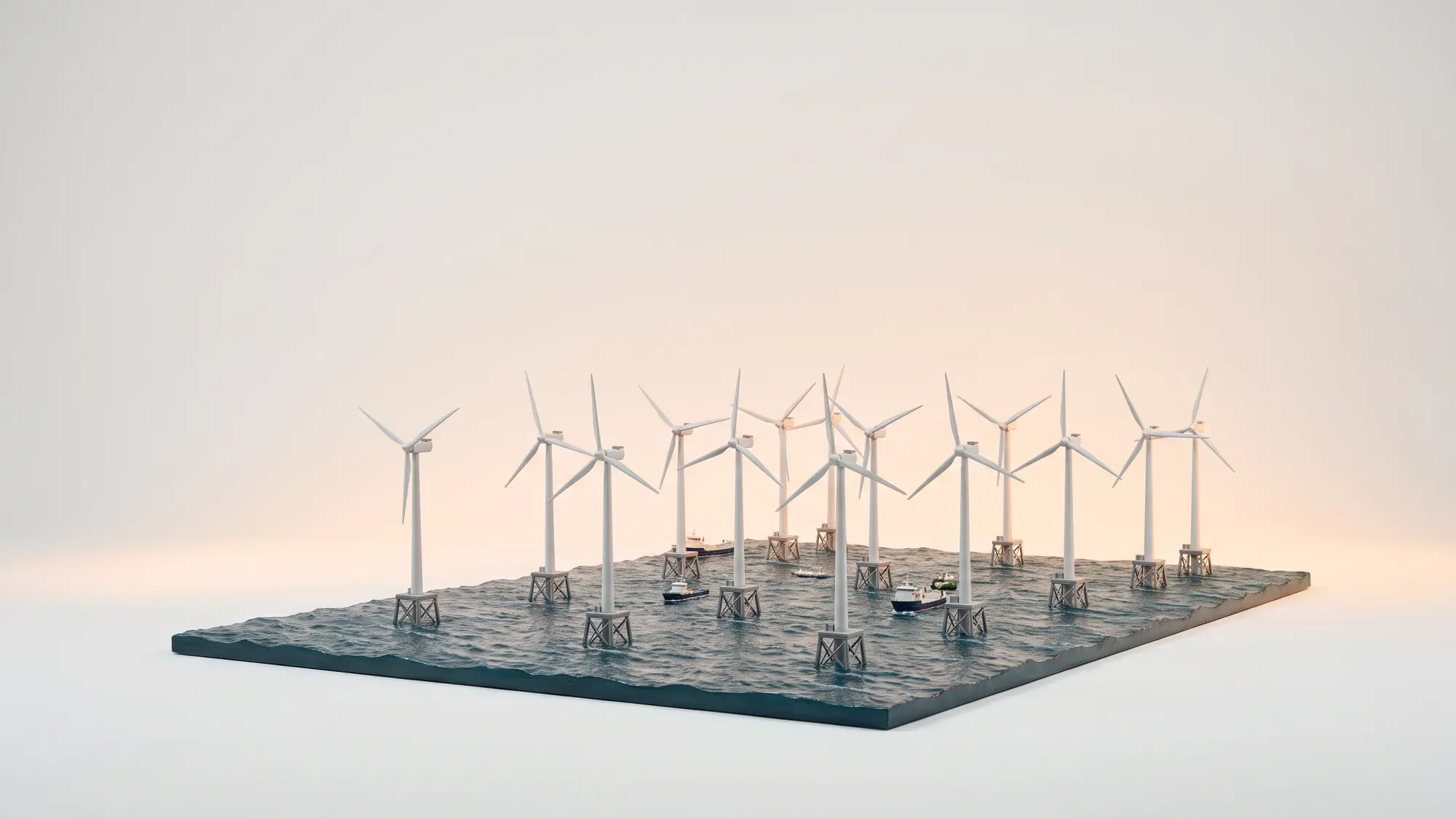
The strategy prioritises significant investment in domestic generation capacity, particularly in offshore wind, solar, and nuclear power. Ambitions include producing up to 50 GW of electricity from offshore wind by 2030, with a focus on streamlining the development of wind farms. Onshore wind capacity is also targeted to rise to 27-29 GW by 2030. Solar power also receives support, with consultations on amending planning regulations to favour solar development.
The role of energy infrastructure development
Developing robust energy infrastructure is critical for both security and decarbonisation. This includes not only generation assets but also the transmission and distribution networks that deliver energy to homes. Investment in grid modernisation and expansion is essential to integrate increasing amounts of renewable energy and support new demands, such as electric vehicles. You can learn more about how to switch energy supplier here.
The transition to a net zero energy system presents significant challenges that require ongoing innovation and strategic planning.
Grid modernisation and storage solutions
The existing energy grid, largely built for a different era of energy generation, requires substantial modernisation to handle the intermittent nature of renewable sources like wind and solar. This includes developing advanced grid management systems and large-scale energy storage solutions to ensure a stable and reliable supply.
Navigating investment and innovation
Attracting and sustaining investment in new energy technologies and infrastructure is crucial. The energy transition requires substantial capital, and policies must create a stable and attractive environment for private sector investment. Innovation in areas like hydrogen, carbon capture, and advanced nuclear technologies will also play a vital role in achieving long-term decarbonisation goals. Understanding your energy bill here can help you manage costs.
Adapting to market dynamics
The energy market is constantly evolving, influenced by technological advancements, global events, and consumer behaviour. Adapting to these dynamics requires flexible policy frameworks and regulatory mechanisms that can respond effectively to new challenges and opportunities, ensuring fair competition and consumer protection. The energy price cap explained here can offer further insight.
Achieving the UK's ambitious energy goals depends heavily on private sector innovation and investment. Companies are actively contributing to the energy transition by developing and deploying clean energy technologies.
Accelerating renewable energy deployment
Private companies are at the forefront of accelerating renewable energy deployment, investing in and operating solar and wind projects across the UK. This tangible action directly supports the government's renewable energy strategy and decarbonisation efforts.
Vertical integration as a solution
Vertical integration in the energy sector, where companies manage everything from generation to supply, can streamline operations and reduce costs. This approach allows for greater control over the energy value chain, from building new generation assets to delivering energy directly to consumers.
Empowering consumers with abundant clean energy
Innovative energy providers are empowering consumers with greater control and understanding of their energy usage through digital-first approaches. By focusing on delivering abundant, clean energy, these companies aim to shift the narrative from scarcity to a future where energy is plentiful and accessible.
Thinking about UK energy policy? Fuse Energy offers clear pricing, 24/7 human customer support, and a modern energy experience designed around you. We aim to provide engaging app features to help you understand and control your energy consumption. Take control of your bills today. Click here to switch to Fuse Energy. Find out about our mission by clicking here.