UK AI data centre cost: £16-22 million per megawatt
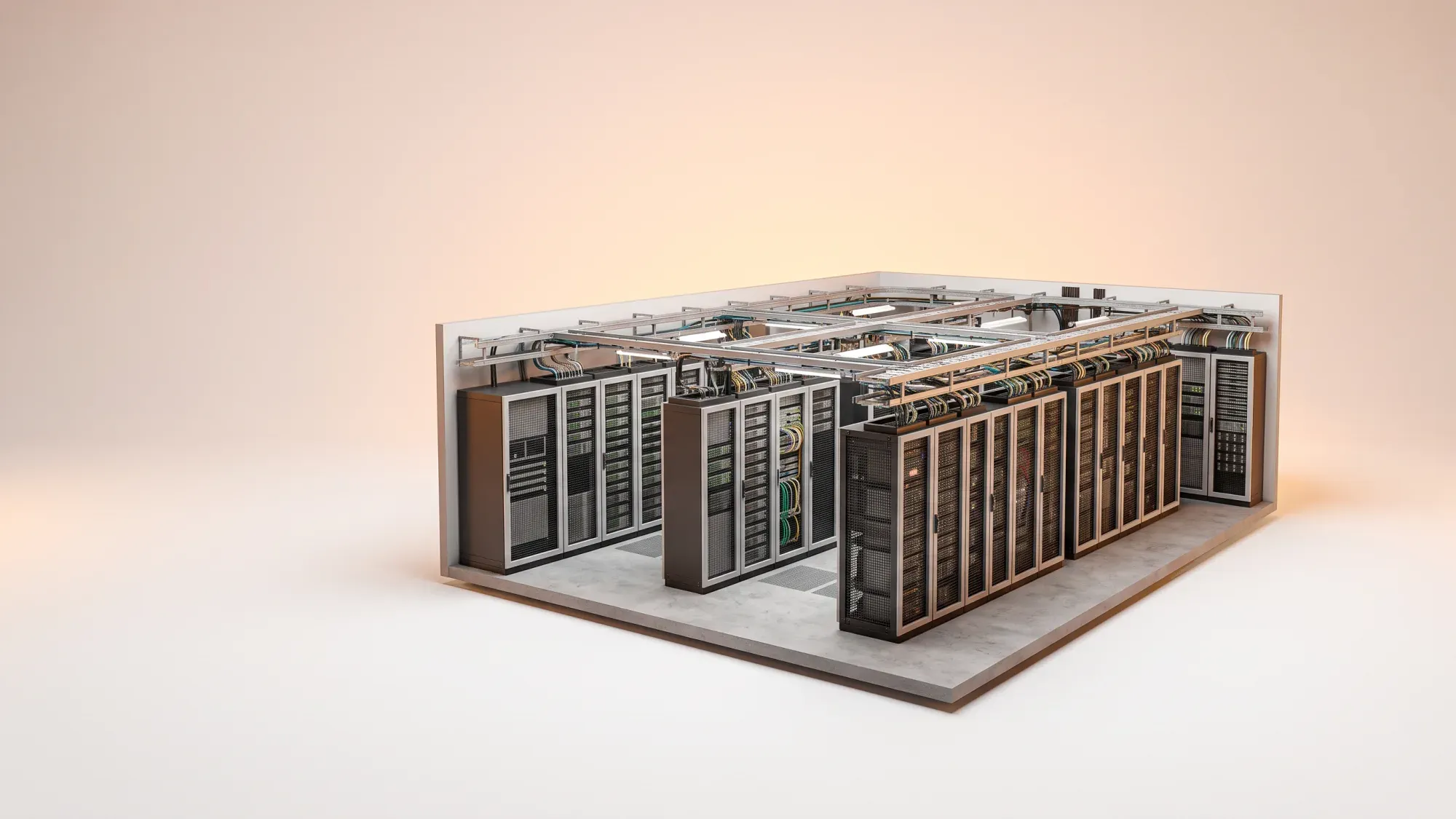
The rapid expansion of artificial intelligence (AI) is driving unprecedented demand for data centre infrastructure across the UK, presenting a dual challenge of escalating financial outlays and significant environmental pressures. Building AI-optimised facilities in the UK typically costs between £16 million and £22 million per megawatt of IT capacity, significantly more than traditional data centres due to the specialised infrastructure required1. Understanding these complex costs and impacts is crucial for sustainable development and informed investment decisions.
As the UK grapples with the energy demands of AI data centres, managing your home's energy usage efficiently becomes even more important. Discover how Fuse Energy can help you take control of your electricity and gas bills. Click here to switch to Fuse Energy today.
Enter your address to get a quote and see how much you could save
The escalating demand for UK AI data centres
The UK is experiencing an immense push for digital infrastructure, largely fuelled by the rapid advancements in AI. This growth, while promising for technological progress, places unique pressures on the nation's resources and existing infrastructure.
Why AI demands specialised infrastructure
AI workloads, particularly those involving machine learning and complex data processing, require immense computational power. This necessitates specialised infrastructure that traditional data centres are not equipped to handle. High power density, for instance, is a critical requirement for AI facilities, meaning more power is concentrated in smaller physical footprints. This intensifies the need for robust and efficient cooling systems, which are far more advanced than those found in conventional data centres. The increased complexity and scale of these systems directly translate into higher capital expenditure.
The dual challenge: cost and environment
The expansion of AI data centres in the UK presents a dual challenge: escalating financial outlays and significant environmental pressures. The financial burden stems from the high capital investment in specialised infrastructure and the ongoing operational costs, primarily energy. Environmentally, these facilities exert pressure on the National Grid, consume substantial amounts of water, contribute to carbon emissions, and demand considerable land. Addressing these challenges requires a strategic approach that balances technological advancement with sustainable development.
Capital expenditure: building AI-optimised facilities
The capital expenditure for AI data centres is markedly higher than for their traditional counterparts. This is largely due to the specific demands of AI workloads, which necessitate a complete rethinking of data centre design and construction.
Specialised cooling systems and high-power-density
AI servers generate significantly more heat than standard IT equipment, requiring advanced cooling solutions. Building AI-optimised facilities in the UK costs significantly more than traditional data centres due to the need for advanced liquid cooling systems and higher rack densities. These specialised cooling systems, often involving liquid cooling, are complex and costly to install. They are essential for maintaining optimal operating temperatures and preventing hardware failures in high-power-density environments.
Hardware costs: the role of GPUs
The computational backbone of AI data centres relies heavily on Graphics Processing Units (GPUs). These powerful processors are crucial for accelerating AI model training and inference. However, GPUs are considerably more expensive than traditional Central Processing Units (CPUs). The sheer number of GPUs required for large-scale AI operations, coupled with their high individual cost, contributes significantly to the overall capital expenditure. This investment in high-performance hardware is a primary driver of the elevated costs associated with building AI-optimised facilities.
Operational costs: energy consumption and environmental impact
Beyond the initial capital outlay, the operational costs of AI data centres are substantial, dominated by their immense energy consumption and the resulting environmental footprint.
Data centres' share of UK electricity
Data centres are significant consumers of electricity. In the UK, these facilities currently consume approximately 5.8% of the nation's electricity, according to International Data Centre Authority (IDCA) research. This figure is close to the 6% threshold where community and political pushback against new facilities typically intensifies. The surge in demand, driven largely by the explosive growth of artificial intelligence, places considerable strain on the existing energy infrastructure.
Water usage and carbon emissions
The environmental impact of data centres extends beyond electricity consumption. They require substantial water usage for cooling. Water UK estimates that data centres in England use around 6.6 million litres of drinking water each day, a figure that could rise to 19.8 million litres per day by 2030 if capacity triples. This places additional pressure on water supplies, especially in water-stressed regions of the UK. Furthermore, data centres contribute to carbon emissions, both directly from their energy use and indirectly through the manufacturing and disposal of their components. Communities near data centres have reported environmental concerns.
How much water do AI data centres use for cooling?
Water UK estimates that data centres in England use around 6.6 million litres of drinking water each day, a figure that could rise to 19.8 million litres per day by 2030 if capacity triples. This highlights a significant environmental concern, especially during heatwaves.
Strain on the National Grid and land use
The rapid growth of AI infrastructure places a substantial strain on the National Grid. The demand for power can lead to delays in grid connections for new facilities. This situation raises concerns about the UK's ability to meet its climate targets. Moreover, data centres require vast areas of land, leading to "pressure on our natural spaces". Green belt land, intended to protect nature and prevent urban sprawl, is increasingly being targeted for these energy-intensive developments, raising concerns about land use and its impact on biodiversity and local communities. Ofgem has proposed changes to data centre grid connectivity to manage capacity, including a new Data Centre Commitment Fee and project progress milestones.
Sustainable growth: powering the AI economy
Supporting the growth of the AI economy in the UK requires a fundamental shift towards robust and sustainable energy infrastructure. Without this, the financial and environmental costs could become prohibitive.
Renewable energy solutions for data centres
Integrating renewable energy solutions is crucial for mitigating the environmental impact of AI data centres. This includes sourcing electricity from wind and solar farms, and exploring innovative approaches like power purchase agreements (PPAs) that directly support renewable projects. Locating data centres near renewable generation sources can also help balance the grid and reduce carbon intensity. The goal is to power these energy-intensive facilities with clean, sustainable sources, reducing their reliance on fossil fuels and aligning with net-zero commitments.
The need for robust UK energy infrastructure
The immense energy demands of AI data centres underscore the urgent need for a robust UK energy infrastructure. This involves not only increasing renewable generation capacity but also upgrading and modernising the National Grid to handle high power density and ensure reliable supply. Strategic planning is essential to ensure that the development of AI infrastructure is integrated with broader energy and climate goals, preventing uncoordinated expansion that could strain resources and lead to public opposition.
Fuse Energy's vision for an abundant energy future
The immense energy demands of AI data centres highlight the urgent need for a future where energy is abundant and not a limiting factor for technological growth and economic development. Fuse Energy's mission to deliver abundant, clean energy aims to create a resilient overall energy ecosystem that can indirectly support the UK's AI data centre growth sustainably.
Rebuilding the energy system for high-demand sectors
Fuse Energy believes that rebuilding the UK's energy system from the ground up is essential to provide the robust, sustainable, and high-capacity infrastructure required to power high-demand sectors like AI. This involves vertical integration and a commitment to generating terawatt-hours of the cheapest, cleanest energy possible. By focusing on fundamental changes to energy generation and distribution, Fuse aims to create an energy landscape that can support advanced technologies without compromise.
Empowering the UK's digital infrastructure
Fuse's positioning, which focuses on delivering more energy, not less, contributes to a future energy landscape that can support high-demand sectors like AI without compromising the UK's overall energy needs or environmental goals. This vision for energy abundance ensures that the UK can continue to develop its digital infrastructure, fostering innovation and economic growth. While Fuse Energy currently supplies residential energy only, its broader mission to create "power to play with" for all ultimately benefits the entire UK economy, including the AI industry, by ensuring a sustainable and plentiful energy supply.
Managing your home's energy should be simple and transparent. Fuse Energy offers clear pricing, real-time usage data through our app, and 24/7 human customer support to help you stay in control of your bills. Switching is quick and easy, so you can start making smarter energy choices today. Click here to switch to Fuse Energy and join us in building a future with abundant energy. You can also find out more about our mission by clicking here.
References
- Fuse Energy. UK AI data centre cost: £16-22 million per megawatt
Disclaimer
For the avoidance of doubt, this article is provided for informational purposes only and is not intended to constitute legal or financial advice. The author and/or Fuse Energy shall not be responsible for any losses arising out of any reliance on the information contained herein.