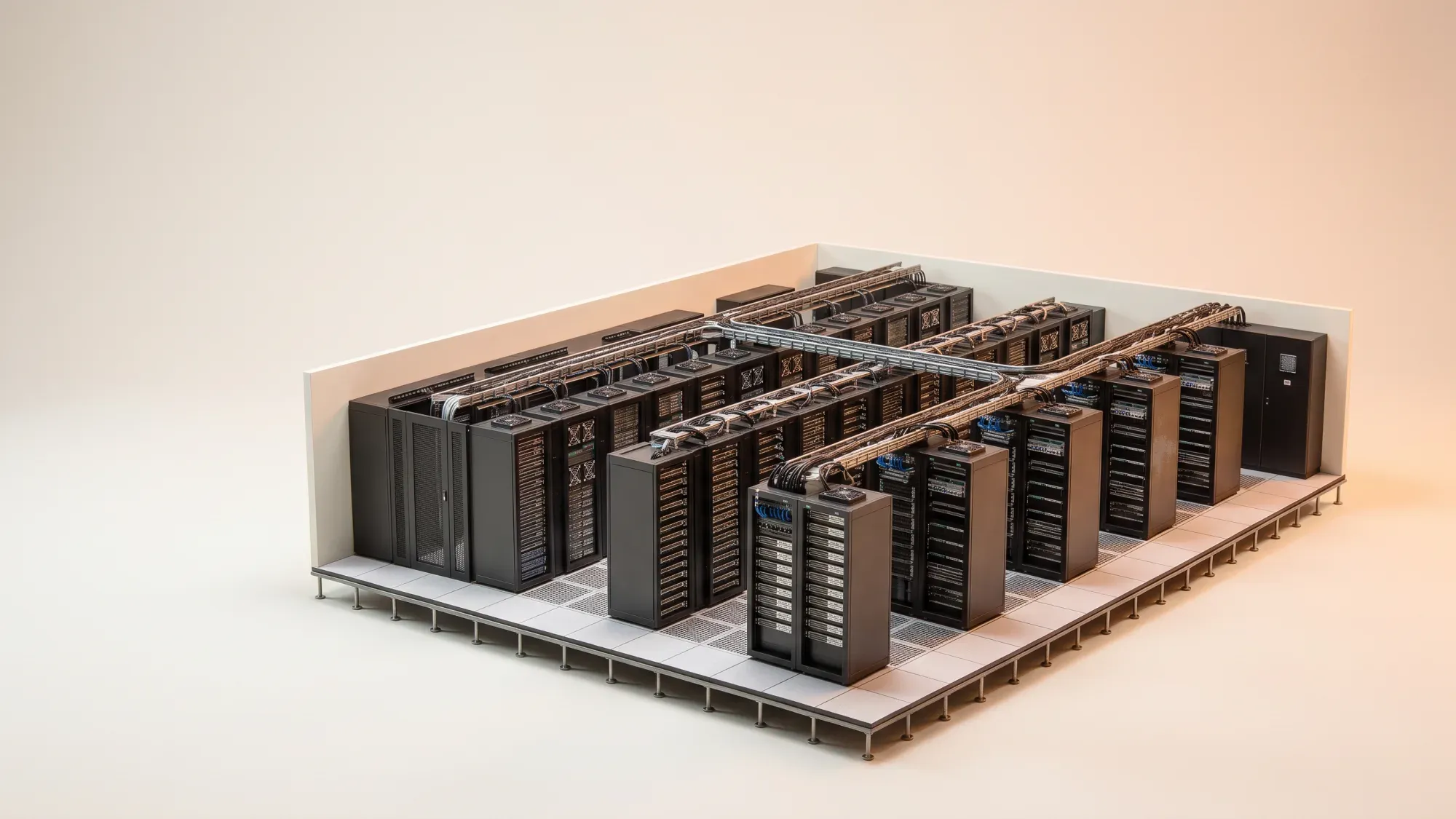
The rapid expansion of artificial intelligence (AI) is driving unprecedented demand for data centre infrastructure across the UK. This growth presents a dual challenge: managing escalating financial outlays while mitigating significant environmental pressures. Understanding these complex costs and impacts is crucial for sustainable development and informed investment decisions.
As the UK grapples with the energy demands of AI data centres, managing your home's energy usage efficiently becomes even more important. Discover how Fuse Energy can help you take control of your electricity and gas bills. Click here to switch to Fuse Energy today.
The proliferation of data centres across the UK, particularly those supporting artificial intelligence, is leading to significant environmental concerns. This expansion is causing "pressure on our natural spaces"1 and raising questions about the environmental footprint and the impact on the UK's landscape and resources.
Understanding the growth of AI infrastructure
AI workloads demand immense computational power, which translates directly into a need for specialised data centre infrastructure. Unlike traditional data centres, AI-optimised facilities require higher power densities and advanced cooling systems to handle intensive processing. This fundamental difference drives up both initial build costs and ongoing operational expenses. The UK government is actively promoting 'AI Growth Zones' to facilitate this development, aiming to unlock large-scale compute capacity by addressing barriers like slow planning processes and delays in grid access.
Balancing economic opportunity with environmental pressure
The economic opportunities presented by AI are substantial, with the potential for innovation, job creation, and public service transformation. However, this growth comes with an environmental cost. Data centres are energy-intensive, and their expansion places considerable strain on the National Grid and natural resources. The challenge lies in balancing the drive for technological advancement with the imperative to protect the UK's environment.
Building AI data centres requires substantial capital expenditure, often exceeding that of traditional facilities due to the specialised infrastructure needed for AI workloads.
Land acquisition and site development costs
The initial phase of any data centre project involves securing suitable land. This is particularly challenging in the UK, where available sites with adequate power and connectivity are at a premium. Land costs represent a significant portion of the total development budget, and the need for large, often rural, plots can lead to pressure on natural spaces.
Construction and specialised facility design
The cost to build a data centre in the UK can range from £7 million to over £10 million per megawatt (MW) of IT capacity. However, AI-optimised facilities often exceed these figures, typically falling in the range of £16 million to £22 million per MW. This premium reflects the additional cost of high-density power distribution, specialised liquid cooling systems, and the structural reinforcements required for heavier equipment loads.
Hardware and networking investments for AI workloads
Hardware costs, particularly for Graphics Processing Units (GPUs) essential for AI, represent a significant portion of capital expenditure. The demand for these components also drives up their prices. A single eight-GPU NVIDIA HGX B300 server, a current platform for new AI clusters, can cost roughly $550,000-$750,000 (approximately £430,000-£590,000). For large-scale deployments, a 32-GPU cluster with fabric and storage can run about $2.5-3.8 million (approximately £2 million - £3 million). These figures highlight the substantial investment required for the computational backbone of AI data centres.
Once built, AI data centres incur considerable operational expenses, dominated by their intensive energy and resource demands.
Escalating energy consumption for AI processing
Data centres in the UK currently consume approximately 5.8% of the nation's electricity, according to International Data Centre Authority (IDCA) research. This is a substantial increase from earlier estimates of 2.5%. The intensive computational demands of AI workloads mean that energy consumption is a primary driver of operational costs. For instance, powering a 100 MW data centre in the UK could cost around £210 million to £245 million per year, based on typical industrial electricity prices of 24p to 28p per kilowatt hour. The UK's electricity prices for energy-intensive industries are also higher compared to many other European countries and the United States.
Water usage for advanced cooling systems
Water usage for cooling in data centres can be substantial. Water UK estimates that data centres in England use around 6.6 million litres of drinking water each day, a figure that could rise to 19.8 million litres per day by 2030 if capacity triples. This places additional pressure on water supplies, especially in water-stressed regions of the UK.
Maintenance, software, and connectivity expenses
Beyond energy and water, operational costs include ongoing maintenance, software licensing, and high-bandwidth connectivity. The complexity of AI infrastructure necessitates specialised maintenance teams and continuous software updates. Furthermore, the need for low-latency data transfer for AI applications requires robust and often expensive network connections. Understanding your energy bill can help you identify areas for potential savings in your own home.
The environmental impact of AI data centres extends beyond energy and water consumption, affecting land use and contributing to carbon emissions.
Carbon emissions and grid strain
The significant electricity demand of AI data centres contributes to the UK's carbon footprint, particularly if powered by non-renewable sources. The rapid increase in demand also places considerable strain on the National Grid, leading to concerns about grid connection queues and the need for expanded network infrastructure. This has prompted Ofgem to propose changes to data centre grid connectivity to manage capacity, including a new Data Centre Commitment Fee and project progress milestones.
Local ecological effects and land use
The construction of large data centres requires substantial land, often in areas that were previously natural spaces or farmland. This can lead to local ecological disruption and concerns about urban sprawl. In some instances, green belt land has been targeted for these developments, raising objections from environmental groups.
Regulatory considerations for sustainable data centre operation
Environmental regulations regarding energy efficiency, carbon emissions, and water discharge are becoming increasingly stringent for energy-intensive industries like data centres. This regulatory environment influences how data centres operate and are developed. Government initiatives like 'Delivering AI Growth Zones' aim to streamline development but also highlight the need for sustainable practices. Ofgem's role in regulating the energy market indirectly impacts data centre operational costs through electricity pricing and grid connection policies.
The long-term viability of AI data centre investments in the UK is intrinsically linked to the development of a robust and sustainable energy infrastructure.
The strategic importance of clean, reliable energy infrastructure
The immense energy demands of AI data centres highlight the urgent need for abundant, clean energy. A reliable supply of energy is critical for data centres, which operate 24/7. Investing in and expanding renewable energy sources and grid capacity is paramount to supporting the continued growth of digital infrastructure without compromising environmental goals. You can learn more about the future of UK energy and how it impacts everyone.
Moving beyond scarcity: enabling sustainable AI growth
Instead of advocating for reduced AI data centre growth due to energy scarcity, a forward-looking approach focuses on rebuilding the energy system to provide the terawatt-hours needed for all sectors, including advanced AI infrastructure. This perspective aligns with a vision where energy is not a limiting factor for growth, allowing for innovation and economic development.
Long-term vision for UK digital infrastructure
The UK's ambition to be a global leader in AI requires a long-term vision for its digital infrastructure, underpinned by sustainable energy. Fuse Energy's strategy to deliver the cheapest, cleanest energy possible through vertical integration is a systemic solution that can indirectly support the sustainable, long-term energy needs of the UK's digital infrastructure. While Fuse Energy currently supplies residential energy only and does not offer commercial energy services or direct solutions for AI data centres, its core belief is to never settle on the scarcity story, working towards a future with power to play with.
Managing your home's energy should be simple and transparent. Fuse Energy offers clear pricing, real-time usage data through our app, and 24/7 human customer support to help you stay in control of your bills. Switching is quick and easy, so you can start making smarter energy choices today. Click here to switch to Fuse Energy and join us in building a future with abundant energy. You can also find out more about our mission here.