UK smart home market set to reach £5.8 billion
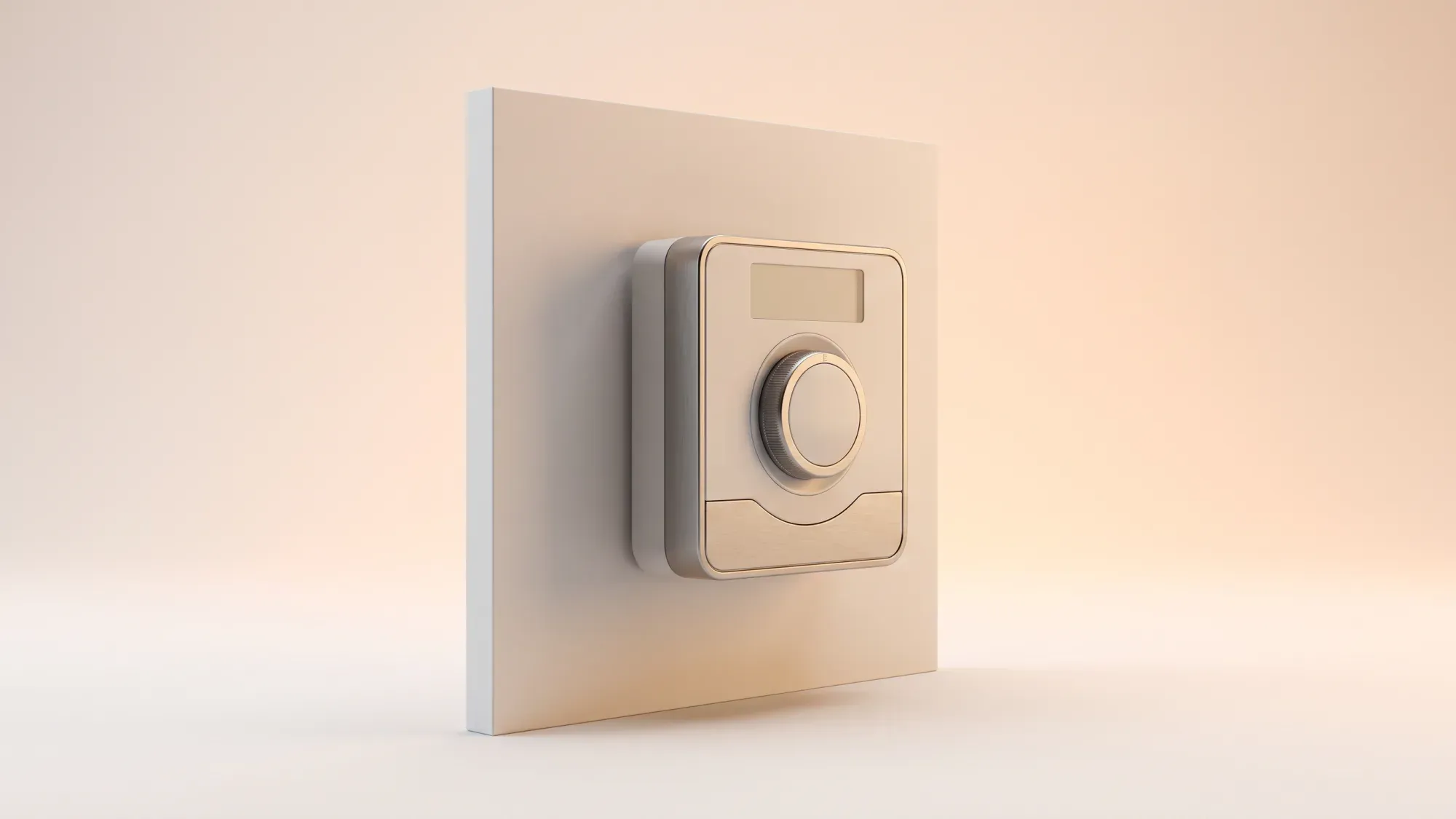
The UK smart home market is undergoing a significant transformation, moving from a luxury niche to a household standard. This shift is driven by advancements in energy management, interoperability, and artificial intelligence (AI). This is particularly evident in 2026, with the market projected to reach between £5.2 and £5.8 billion by year-end, and household penetration climbing to approximately 53-65%. This growth is fuelled by a desire for greater control over home environments, enhanced security, and the promise of substantial energy savings.
As smart home technology helps you manage your energy, consider how Fuse Energy can empower you with clear pricing and real-time usage data. Click here to switch to Fuse Energy today.
Enter your address to get a quote and see how much you could save
The latest in smart home technology
The smart home landscape in the UK is seeing continuous innovation, with new product releases and significant industry announcements shaping how we interact with our living spaces. From advanced security systems to intelligent lighting, devices are becoming more sophisticated and integrated.
New product releases and innovations
July 2026 alone saw a flurry of new smart home product launches1. Ring expanded its offerings with the Outdoor Camera (2nd Gen) and Peephole Camera 2K, while Reolink introduced its Video Doorbell (2nd Gen). Other notable releases included the SwitchBot Outdoor Pan/Tilt Cam 3K and the Tapo C575D 4K Outdoor Security Camera, alongside innovative lighting solutions like the Govee Outdoor Wall Floodlight and Nanoleaf Smart LED Monitor Stand. These products highlight a trend towards higher resolution, more robust outdoor capabilities, and deeper integration within existing smart ecosystems.
Key industry announcements
A major development in June 2026 was the launch of the Google Home Speaker, a new flagship smart speaker designed to replace previous Nest models. This device integrates Gemini voice commands and smart home assistance, offering 360-degree sound. Beyond individual products, the industry is seeing a push towards local control and more intelligent sensors, moving away from cloud-dependent systems for faster routines and improved reliability.
Emerging trends in the UK smart home market
The UK smart home market is not just growing; it is evolving in fundamental ways, with key trends focusing on enhanced connectivity, the pervasive influence of AI, and a strong emphasis on sustainability.
Enhanced automation and connectivity
Automation in 2026 is less about manual app control and more about homes anticipating needs. Advanced mmWave presence sensors, for instance, can detect micro-movements and even count occupants, ensuring lights do not switch off prematurely and optimising climate control based on real-time occupancy. This level of precision moves smart homes beyond simple remote control to truly proactive systems.
The rise of AI in home devices
Artificial intelligence is no longer a futuristic concept but a core component of modern smart homes. AI-driven predictive automation allows devices to learn inhabitant patterns and automatically adjust security settings, temperatures, and lighting. This shift towards local AI processing also helps address privacy concerns by keeping data on-device, reducing latency and enhancing cybersecurity. AI is also making security cameras smarter, with advanced recognition capabilities.
Sustainability and energy efficiency focus
Energy management has become the leading category in the UK smart home market, surpassing entertainment. This focus is driven by persistent energy cost concerns and tightening regulatory requirements. Smart thermostats, for example, now integrate with dynamic energy tariffs, automatically heating homes during off-peak hours when electricity is cheaper. New regulations in 2026 also require grid-interactive capabilities in smart appliances to shift energy usage and support the UK's Net Zero goals.
How smart homes are evolving
The evolution of smart homes extends across various aspects, from robust security systems to intelligent climate and lighting control, all underpinned by improved interoperability.
Advancements in home security systems
The security segment held a significant 54.3% share of the UK smart home market in 2025, reflecting growing consumer concerns about home safety. Modern smart security cameras offer 4K resolution, AI detection, and seamless integration with voice assistants. The Product Security and Telecommunications Infrastructure Act 2022, with its regulations enforced from April 2024, mandates unique credentials, vulnerability disclosure, and transparent support for smart devices, significantly enhancing baseline security and privacy standards.
Smart lighting and climate control
Smart lighting has moved beyond basic on/off functions to offer adaptive, personalised, and integrated experiences. Modern LED systems, when paired with intelligent controls, can cut energy usage by up to 75-80%. These systems can create custom lighting scenes based on brightness, colour temperature, and even circadian rhythms. Similarly, smart heating systems can learn routines and automatically adjust temperatures, helping to reduce energy bills without constant manual input. Smart thermostats, such as those from Nest, Hive, and tado°, are widely adopted for their ability to deliver 8-12% HVAC savings through occupancy awareness and schedule optimisation. Many homeowners often pair this with a smart meter installation to track usage more effectively.
Interoperability with standards like Matter
The Matter interoperability standard has reached significant maturity, with version 1.5 released in late 2025 and version 1.6 in June 2026. This standard has largely resolved the fragmentation issues that previously plagued the smart home market, making cross-brand device ownership the norm. Matter 1.6 introduces features like NFC-based commissioning for easier setup of hardwired devices and "Joint Fabric," which allows multiple controllers to manage the same Matter network, simplifying life for households with mixed ecosystems.
Smart home technology and energy management
Smart home technology is increasingly central to managing and optimising energy use, offering homeowners unprecedented control and contributing to a future of energy abundance.
Optimising energy use with connected devices
Connected devices provide tangible pathways to energy efficiency. Smart electrical panels with circuit-level monitoring, for example, can reduce utility bills by at least 10% under time-of-use and demand-charge tariffs by shifting loads to off-peak periods. This capability is crucial as the UK expands its time-of-use tariff offerings. Smart plugs can also address energy waste from devices like cable boxes, which can consume over 170 kWh annually.
How much energy can smart thermostats save?
ENERGY STAR-certified smart thermostats can deliver at least 8% HVAC energy savings compared to manual thermostats, with field performance typically ranging from 8% to 12%. This is primarily achieved through occupancy awareness and schedule-aware geofencing features that automatically adjust temperatures, preventing wasted energy in unoccupied homes.
The integration of smart home devices with energy management systems allows for a more dynamic and responsive approach to energy consumption. This aligns with Fuse's vision of "power as capability," empowering customers with greater control over their energy usage and home environment. For a deeper dive into what defines these connected living spaces, explore what is a smart home.
The future of home energy abundance
The focus on smart home technology for energy management is shifting from merely "using less" to optimising and empowering. By leveraging smart devices, homeowners can make active choices about their energy consumption, taking advantage of periods when energy is abundant and cheaper. This proactive management transforms energy from a source of anxiety into a tool for enhancing capability and control. Fuse Energy believes in a future with "power to play with," where energy is so abundant it stops being a constant concern. Smart home innovations are key to this, enabling homes to intelligently manage solar generation, battery storage, and EV charging to maximise efficiency and minimise costs.
Staying ahead in the connected home landscape
Navigating the rapidly evolving smart home market requires informed choices and an understanding of future trends.
Expert insights and future outlook
Experts suggest that by 2027, AI energy hubs will dynamically shift power between solar, EV chargers, and appliances, moving towards Zero-waste homes. Predictive maintenance, enabled by sensors in smart thermostats, will flag issues like boiler faults early. The emphasis will be on expanded private AI, with on-device learning personalising smart living experiences beyond reliance on cloud systems. It is anticipated that UK regulations will continue to encourage interoperability, making cross-platform smart living standard.
Making informed choices for your smart home
When considering smart home upgrades, prioritise Matter-certified products to future-proof your setup. Focus on devices that offer demonstrable value through energy savings or security improvements, rather than just novelty. The most effective approach combines smart controls with foundational improvements to building insulation and air sealing, as these can significantly reduce heating and cooling costs before any smart devices are even added. This ensures that your investment in smart technology delivers genuine, long-term benefits. For more ways to cut down on your energy use, check out our energy efficiency tips.
Managing your home's energy can be simpler with the right tools. Fuse Energy offers clear pricing and real-time usage data through our app, helping you understand and control your consumption. Our 24/7 human support team is always available to assist you. Click here to switch to Fuse Energy today and experience a smarter way to power your home. You can also learn more about our mission to make energy abundant by clicking here.
References
- TechRadar. Smart home news
Disclaimer
For the avoidance of doubt, this article is provided for informational purposes only and is not intended to constitute legal or financial advice. The author and/or Fuse Energy shall not be responsible for any losses arising out of any reliance on the information contained herein.