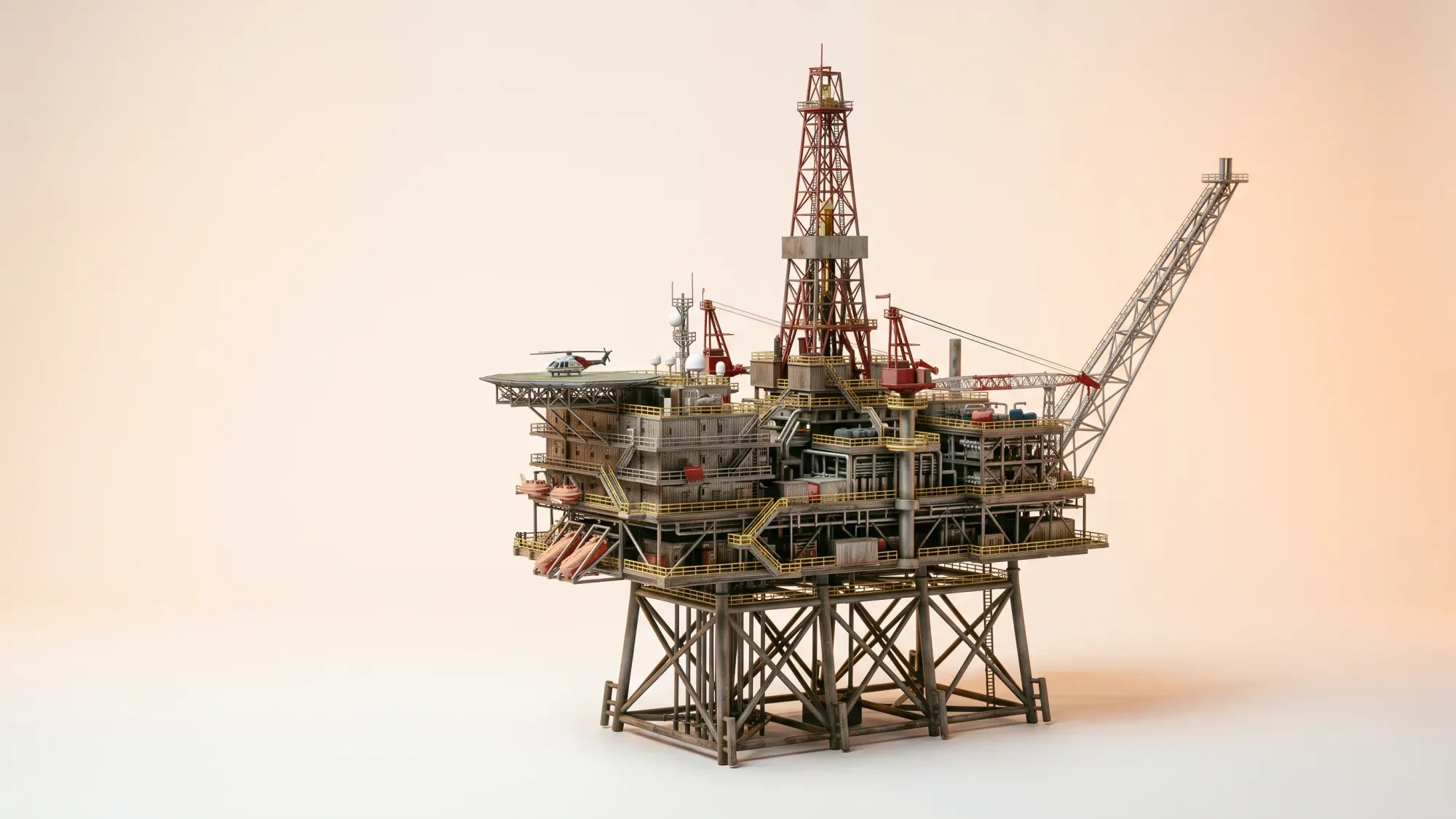
Offshore Energies UK (OEUK) has urged accelerated consent for the Rosebank and Jackdaw energy projects, highlighting their strategic importance to the UK's energy security, economy, and industrial future1. These projects, representing a combined investment of £10.8 billion, have faced two years of uncertainty despite prior government approvals.
Understanding the complexities of major energy projects like Rosebank and Jackdaw is key to grasping the UK's energy landscape. At Fuse Energy, we believe in transparent information to help you make informed decisions about your home's energy. Switch to Fuse Energy today and take control of your energy bills. Click here to get started.
The Rosebank and Jackdaw projects are two significant offshore energy developments in the UK, central to ongoing discussions about the nation's energy future.
What are Rosebank and Jackdaw?
Rosebank is an oil and gas field, while Jackdaw is a gas field. Both are located in the North Sea region and are intended to bolster the UK's domestic energy production. Rosebank is considered the largest advanced energy project awaiting regulatory approval in the UK.
Project locations and scale
The Rosebank project, an £8.7 billion investment, is situated approximately 80 miles west of the Shetland Islands in the North Atlantic. The Jackdaw gas field, representing a £2.1 billion investment, lies about 150 miles east of Aberdeen in the North Sea. Together, these projects represent a substantial £10.8 billion investment in UK offshore energy.
Offshore Energies UK advocates for the accelerated approval of Rosebank and Jackdaw, citing their importance for UK energy security and economic benefits.
Addressing UK energy security concerns
Domestic production from these fields aims to reduce the UK's reliance on imported oil and gas, which often carry a higher carbon footprint. David Whitehouse, chief executive of Offshore Energies UK, stated that "UK production meets only 39% of UK gas demand according to latest figures, and without new investment, the UK's reliance on imported gas will continue to increase". At peak output, Rosebank and Jackdaw could account for 10% of UK domestic gas production and 10% of UK oil output. This contributes to the overall UK energy mix.
Economic benefits and job creation
These projects are projected to generate £28.7 billion in Gross Value Added (GVA) across their operating lifespans. They are also expected to support over 3,500 jobs at peak construction and sustain around 880 positions during production. This includes significant supply-chain activity, with £9.1 billion projected to be spent in this area.
"Permission for these two projects would help clear the log jam preventing development of other projects in the North Sea."
— David Whitehouse, Chief Executive of Offshore Energies UK
Reducing reliance on energy imports
The argument for domestic production is strongly linked to reducing the UK's dependence on energy imports. OEUK points out that if the UK does not produce oil and gas from its own resources, it will simply import more, which can involve a carbon footprint up to four times higher. This makes domestic production a strategic asset for the country, offering more control over energy supply in an uncertain world.
The development of Rosebank and Jackdaw involves significant environmental considerations and has navigated a complex regulatory landscape.
Carbon emissions and extraction methods
The projects are expected to utilise state-of-the-art extraction methods designed to reduce their carbon emissions to around half the North Sea average.
The regulatory framework and approval process
Both Rosebank and Jackdaw received prior approvals from the government in 2023 and 2022, respectively. However, these projects have since faced two years of uncertainty. Public consultations are part of the regulatory process required before Rosebank can commence production. The UK's regulatory framework for offshore energy projects aims to balance economic, environmental, and energy security considerations.
The ongoing debate and public consultation
The debate surrounding these projects underscores the tension between immediate energy needs and long-term climate goals. Public consultations are a crucial part of the regulatory process, allowing various stakeholders to voice their concerns and support.
The Rosebank and Jackdaw projects highlight the ongoing challenge of balancing the UK's immediate energy demands with its long-term commitment to a sustainable energy future.
Balancing immediate needs with long-term goals
While projects like Rosebank and Jackdaw address the immediate need for domestic energy production and contribute to energy security, they are a symptom of a scarcity-driven energy system. The UK's continued reliance on oil and gas, even as it transitions to renewables, necessitates a careful balance between securing current supply and investing in future clean energy sources.
The transition to abundant, clean energy
True, long-term energy security for the UK will come from abundant, clean energy sources. This vision challenges the scarcity mindset that often underpins debates around fossil fuel projects. Instead, it advocates for building a future where energy is so abundant it stops being a constant concern. This means accelerating the deployment of renewable energy sources and investing in innovative solutions that move beyond traditional fossil fuel extraction.
Managing your home's energy should be straightforward and transparent. Fuse Energy offers clear pricing and real-time usage data through our app, helping you understand and manage your consumption effectively. Our 24/7 human customer support team is always available to assist you.
Ready to experience a modern approach to energy? Click here to switch to Fuse Energy today. You can also learn more about our mission to make energy abundant by clicking here.