SUEZ highlights innovative local energy from waste and wastewater
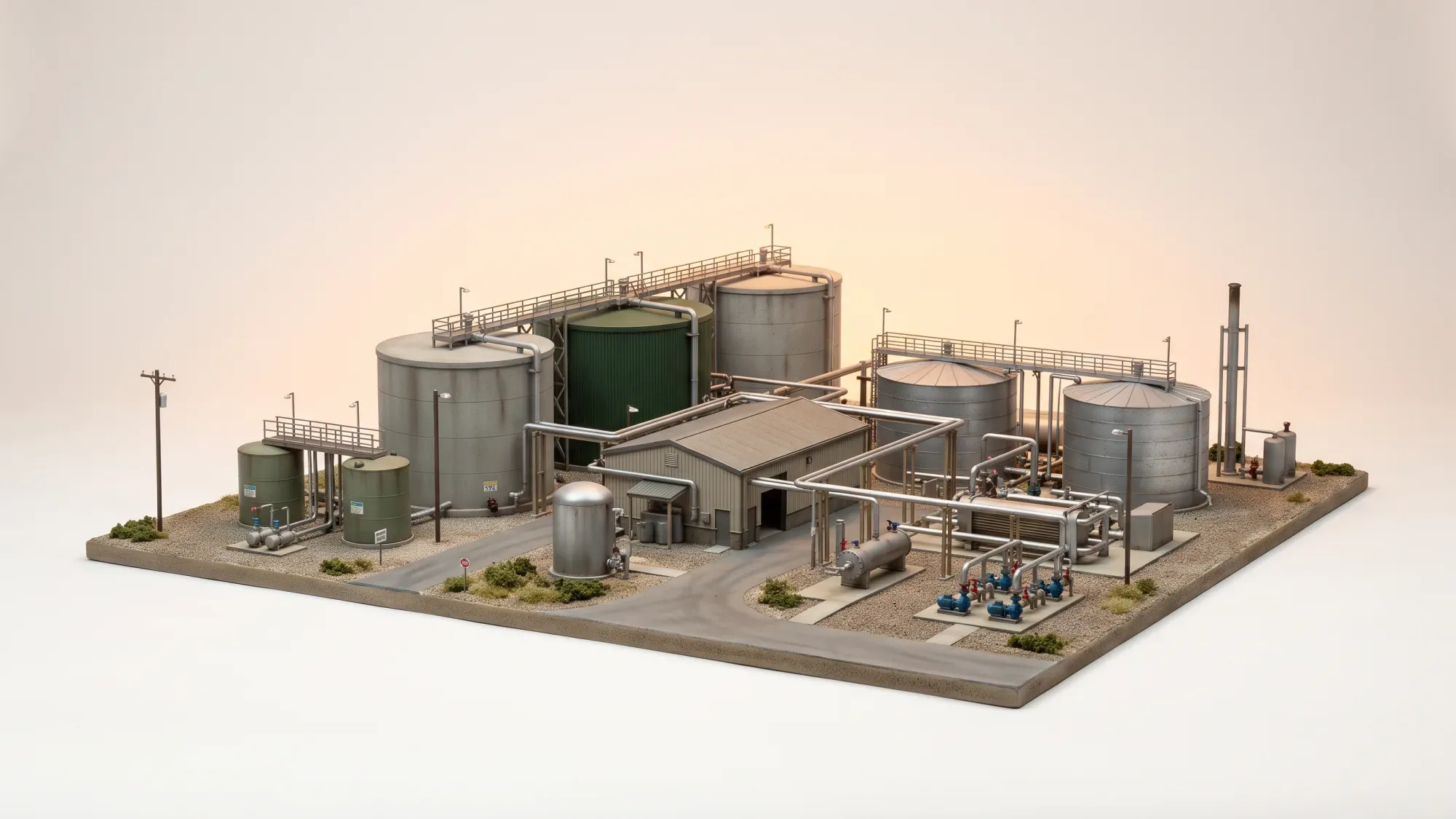
Local energy recovery transforms waste and wastewater into valuable power sources, moving beyond traditional disposal to create a more sustainable and energy-abundant future. This approach empowers households with decentralised energy solutions, reduces environmental impact, and aligns with a circular economy model, as explored by SUEZ in their work on local energy generation1.
Managing your home's energy should be straightforward and clear. Fuse Energy focuses on transparent pricing and helping you understand your usage. Switch to Fuse Energy today and gain greater insight into your energy consumption.
Explore smarter energy for your home. With Fuse Energy, you get clear pricing, real-time usage data, 24/7 human customer support, and a modern energy experience designed around you. Signing up is quick and easy, offering you the potential to manage your energy more effectively from day one. Click here to switch to Fuse Energy.
Enter your address to get a quote and see how much you could save
What is local energy recovery?
Defining the concept
Local energy recovery involves capturing and converting energy from waste and wastewater streams within a specific geographic area, typically close to where these resources are generated. Instead of simply disposing of materials, this method views them as valuable inputs for local power generation, heat production, or fuel creation. It marks a fundamental shift from a linear "take-make-dispose" model to a more circular approach, where resources are continuously reused and recycled. This concept is central to sustainable development, aiming to reduce reliance on finite fossil fuels and minimise environmental impact.
What is the core principle of local energy recovery?
The core principle of local energy recovery is to convert waste and wastewater into usable energy forms like electricity, heat, or biogas. This approach treats waste as a valuable resource, supporting a circular economy by reducing landfill dependency and environmental pollution, while simultaneously enhancing energy security for communities.
The shift from waste disposal to resource recovery
Historically, waste management primarily focused on disposal methods such as landfill and incineration. However, growing environmental concerns, coupled with the increasing demand for sustainable energy sources, have driven a paradigm shift towards resource recovery. The UK, for instance, generates approximately 222.9 million tonnes of total waste annually, with a significant portion holding energy recovery potential. This shift recognises that waste streams, including municipal solid waste, agricultural residues, and industrial by-products, contain embedded energy that can be harnessed. By treating waste as a resource, local energy recovery projects contribute to a more efficient use of materials and a reduction in greenhouse gas emissions.
Benefits of decentralised energy generation
Decentralised energy systems, often enabled by local energy recovery, offer numerous benefits. They enhance energy security and resilience for households by reducing dependence on large, centralised power plants and vulnerable national grids. Local generation means energy is produced closer to where it is consumed, minimising transmission losses and improving grid stability. Furthermore, these systems can provide economic benefits through job creation, reduced energy costs for local households, and opportunities for community ownership and investment. This aligns with Fuse's vision of a future with "power to play with," where energy is abundant and accessible, empowering households to build and innovate without the constraint of energy scarcity.
Key technologies for local energy generation
Local energy recovery employs a range of proven and emerging technologies to transform waste and wastewater into usable energy. The choice of technology often depends on the type and volume of available resources, as well as the desired energy output.
Energy from waste (EfW) facilities
Energy from Waste (EfW) facilities, sometimes referred to as waste-to-energy plants, thermally treat residual waste that cannot be recycled. Modern EfW plants are highly regulated and incorporate advanced emission control technologies to minimise environmental impact. In 2022, EfW plants in the UK generated 9,428 GWh of electricity. This process typically involves combustion to produce steam, which then drives a turbine to generate electricity. Some facilities also capture the heat generated for district heating networks, improving overall energy efficiency.
Anaerobic digestion for biogas production
Anaerobic digestion is a biological process that breaks down organic matter in the absence of oxygen, producing biogas - a mixture primarily of methane and carbon dioxide. This technology is particularly effective for treating organic waste streams such as food waste, agricultural waste, and sewage sludge. Biogas can be used directly for heating, converted into electricity, or upgraded to biomethane for injection into the gas grid or use as vehicle fuel. Anaerobic digestion can significantly reduce greenhouse emissions by preventing methane release from organic waste, a gas with a global warming potential 28 times higher than carbon dioxide over 100 years.
Heat recovery systems
Heat recovery is a crucial aspect of many local energy recovery projects, particularly in industrial settings and EfW facilities. Instead of allowing waste heat to dissipate into the atmosphere, these systems capture and reuse it for various applications, such as district heating, industrial processes, or even electricity generation through technologies like Organic Rankine Cycle (ORC). This maximises the energy extracted from waste resources and improves the overall efficiency and sustainability of the energy recovery process.
Wastewater treatment as an energy source
Wastewater treatment plants are increasingly recognised not just as facilities for cleaning water, but also as potential energy hubs. Through processes like anaerobic digestion of sewage sludge, these plants can produce biogas, which can then be used to power the plant itself, reducing operational costs and carbon footprints. Some wastewater treatment plants are even becoming energy neutral or net energy producers through biogas recovery from sludge. This innovative approach transforms a traditionally energy-intensive process into a source of renewable energy, contributing to both water and energy management goals.
The benefits of local energy recovery in the UK
Implementing local energy recovery strategies offers a multitude of benefits for the UK, addressing critical challenges in energy security, environmental protection, and economic development.
Enhancing energy independence and security
By diversifying the energy mix with locally sourced power, the UK can reduce its reliance on imported fossil fuels and enhance national energy independence. Decentralised generation makes the energy system more resilient to external shocks and disruptions, providing communities with a more stable and secure energy supply. This aligns with the broader goal of rebuilding the energy system from scratch, moving away from outdated centralised models towards a more robust and distributed network.
Reducing environmental impact and carbon emissions
Local energy recovery plays a vital role in mitigating climate change. By diverting waste from landfills, it prevents the release of potent greenhouse gases like methane. Furthermore, generating energy from waste and wastewater reduces the demand for fossil fuels, leading to a decrease in carbon dioxide emissions. The Environment Act 2021 provides a framework for environmental governance, including targets for waste reduction and resource efficiency, underscoring the UK's commitment to these environmental goals.
Supporting a circular economy model
This approach is a cornerstone of the circular economy, where resources are kept in use for as long as possible, extracting the maximum value from them whilst in use, then recovering and regenerating products and materials at the end of each service life. By transforming waste into energy, local recovery initiatives close resource loops, minimise waste, and reduce the need for virgin materials, fostering a more sustainable and resource-efficient economy. The UK's Waste Management Plan for England sets out policies for waste prevention and management, including a hierarchy that prioritises energy recovery over disposal.
Creating local economic opportunities
Local energy recovery projects stimulate local economies by creating jobs in construction, operation, and maintenance. They can also attract investment in green technologies and infrastructure, fostering innovation and economic growth within communities. Furthermore, by providing a stable and potentially cheaper energy source, these projects can support local businesses and industries, contributing to regional prosperity.
Challenges and opportunities for implementation
While the benefits of local energy recovery are clear, successful implementation in the UK requires navigating several challenges and seizing key opportunities.
Navigating regulatory and planning frameworks
The regulatory landscape for energy and waste management in the UK can be complex. Projects must comply with various environmental permits, planning regulations, and energy market rules. Ofgem regulations, for example, govern the connection and operation of decentralised energy generation facilities to the National Grid. Streamlining these processes and providing clear guidance can accelerate project development.
Securing funding and investment
Initial infrastructure development for local energy recovery projects often requires significant capital investment. Securing adequate funding from public and private sources is crucial. While government incentives like the Renewable Heat Incentive (now closed to new applicants) have historically supported bioenergy projects, future policies are expected to continue driving investment in sustainable energy solutions. Innovative financing models and public-private partnerships can help overcome this hurdle.
Ensuring community engagement and acceptance
Public acceptance is a critical factor for the success of any local energy project. Engaging with local communities early and transparently, addressing concerns about environmental impact, noise, and traffic, and highlighting the local benefits can foster support and ownership. Projects that involve community participation or ownership models often see greater success.
Integrating with existing energy infrastructure
Integrating decentralised energy recovery systems into the existing National Grid and local energy networks requires careful planning and coordination. This includes ensuring grid stability, managing intermittency where applicable, and optimising energy distribution. Advances in smart grid technologies and energy storage solutions present opportunities to seamlessly integrate these local sources into the broader energy system. Understanding your energy consumption, for example, can be made easier with a smart meter and help you make informed decisions about your household's energy use.
The future of local energy recovery in the UK
The trajectory for local energy recovery in the UK is one of significant growth and increasing importance, driven by policy, innovation, and the urgent need to achieve net-zero targets.
Policy drivers and government support
The UK government's commitment to decarbonisation and resource efficiency will continue to drive policy support for local energy recovery. Future policies are likely to focus on incentivising investment in advanced technologies, promoting circular economy principles, and supporting decentralised energy solutions. This regulatory environment is crucial for providing the certainty and stability needed for long-term project development.
Innovation in waste-to-energy technologies
Continuous innovation in waste-to-energy technologies will enhance efficiency, reduce environmental footprints, and expand the range of waste streams that can be effectively processed. This includes advancements in anaerobic digestion, gasification, pyrolysis, and more efficient heat recovery systems. Research and development will be key to unlocking new opportunities and optimising existing processes.
The role in achieving net zero targets
Local energy recovery is an indispensable component of the UK's strategy to achieve its net-zero emissions targets. By reducing landfill waste, preventing methane emissions, and displacing fossil fuel-based electricity generation, these projects make a direct and substantial contribution to carbon reduction goals. They exemplify the kind of foundational system rebuilding Fuse advocates for, moving beyond outdated, centralised models to deliver abundant, clean energy. You can learn more about how to understand your energy bill and manage your usage effectively.
Empowering communities with sustainable energy
Ultimately, the future of local energy recovery in the UK lies in its ability to empower communities. By providing access to sustainable, locally generated energy, these initiatives can foster energy independence, create local value, and build resilience. This aligns with Fuse's core belief of never settling for scarcity, demonstrating that even waste can be a source of energy, providing 'power to play with' for households and communities across the nation.
Managing your home's energy should be simple and transparent. Fuse Energy offers clear pricing, real-time usage data through our app, and 24/7 human customer support to help you stay in control. We believe in making energy abundant and accessible, empowering you to live fully without worrying about your bills. Click here to switch to Fuse Energy today and join us in building a smarter energy future. Discover more about our mission here.
References
Disclaimer
For the avoidance of doubt, this article is provided for informational purposes only and is not intended to constitute legal or financial advice. The author and/or Fuse Energy shall not be responsible for any losses arising out of any reliance on the information contained herein.